In brief
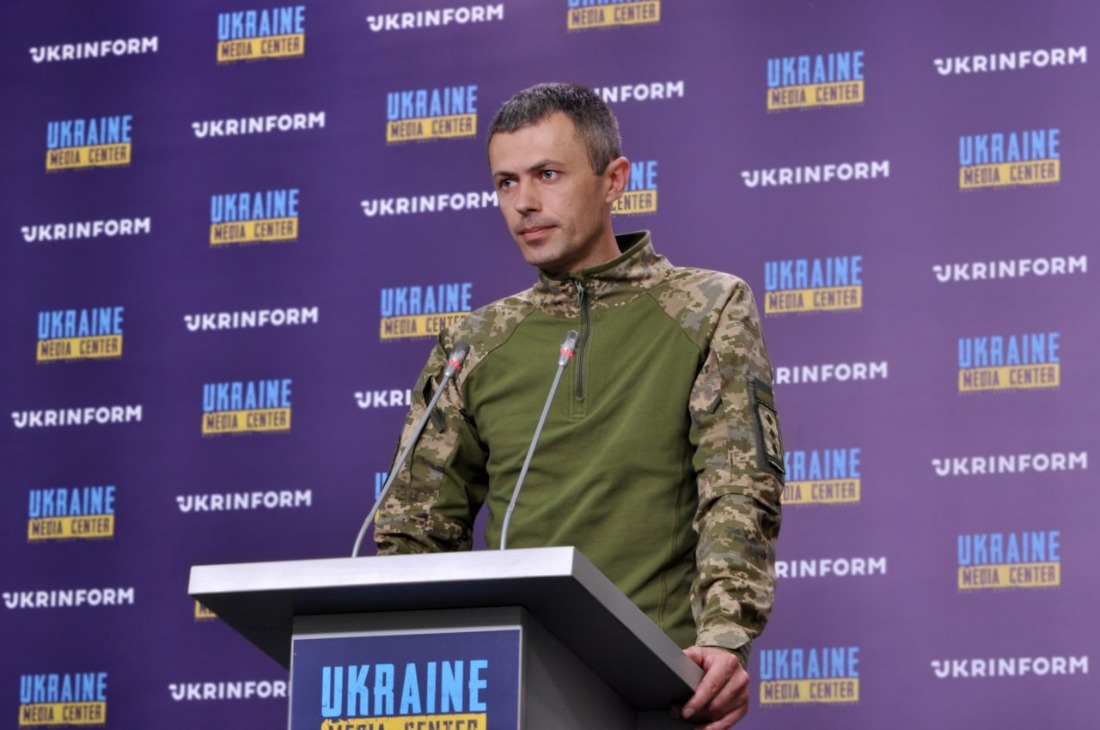
The spokesman for the State Border Guard Service, Andriy Demchenko, notes: the enemy is increasingly using drones to strike border areas, primarily in Sumy and Kharkiv oblasts. This is not just a change of weapons — it is a redistribution of risks for the population and infrastructure.
What is happening at the border
According to the State Border Guard Service (SBGS), the greatest pressure is being recorded along the border line in Sumy and Kharkiv oblasts. Chernihiv Oblast usually receives fewer shellings, but still remains under daily attacks.
New tactic: drones instead of artillery
Replacing artillery with drones is no small matter: unmanned aerial vehicles change both the trajectory of threat and the speed of response. Demchenko explains that until the end of 2024 — the beginning of 2025 artillery predominated, but now the enemy is more actively using drone drops, FPV strikes and FPV over fiber-optic channels.
"I will remind you again that the enemy is now using unmanned aerial vehicles to carry out strikes. Because at the end of 2024 — the beginning of 2025 artillery predominated. The enemy uses drone drops, FPV and FPV over fiber-optic [channels] for attacks."
— Andriy Demchenko, spokesman for the State Border Guard Service of Ukraine
Consequences for communities and infrastructure
Drones make strikes more pinpoint, but also more unpredictable for civilians: damage to residential neighborhoods, destruction of critical infrastructure, and psychological pressure on residents of border communities.
According to media reports and official data, in December 2025 notable figures were recorded: for example, on December 24 it was reported that around 4,000 people refuse to evacuate from the border zone.
Context for the 2025 figures
Other data only underscore the broader trend: on December 28, 2025 it was reported that attacks on Ukraine's ports had doubled (approximately 90 combined strikes over the year), and on December 31 — about 19,000 air-raid alerts across the country. This indicates an escalation on many fronts, not just the border one.
What it means and what to do
The enemy's shift to drones requires two changes: strengthening counter-drone defenses and adapting civilian preparedness. This is a matter not only of military decisions, but also of logistics, protection of critical infrastructure, and communication with local communities.
Conclusion
The means of attack are changing, but the essence remains: protecting border communities and infrastructure must become systematic and timely. While foreign partners and Ukrainian services strengthen countermeasures, it is important to understand — the safety of specific towns and homes depends on this. What next steps can reduce the risks is a question for defense headquarters and communities together.







