Operational picture
The Pokrovsk direction remains the most difficult operational area: according to command assessments, about 40–50 combat engagements are recorded daily. Russia is trying to increase pressure — redeploying reserves, conducting infiltrations and mounting constant assaults make the sector highly dynamic and resource-intensive for both sides.
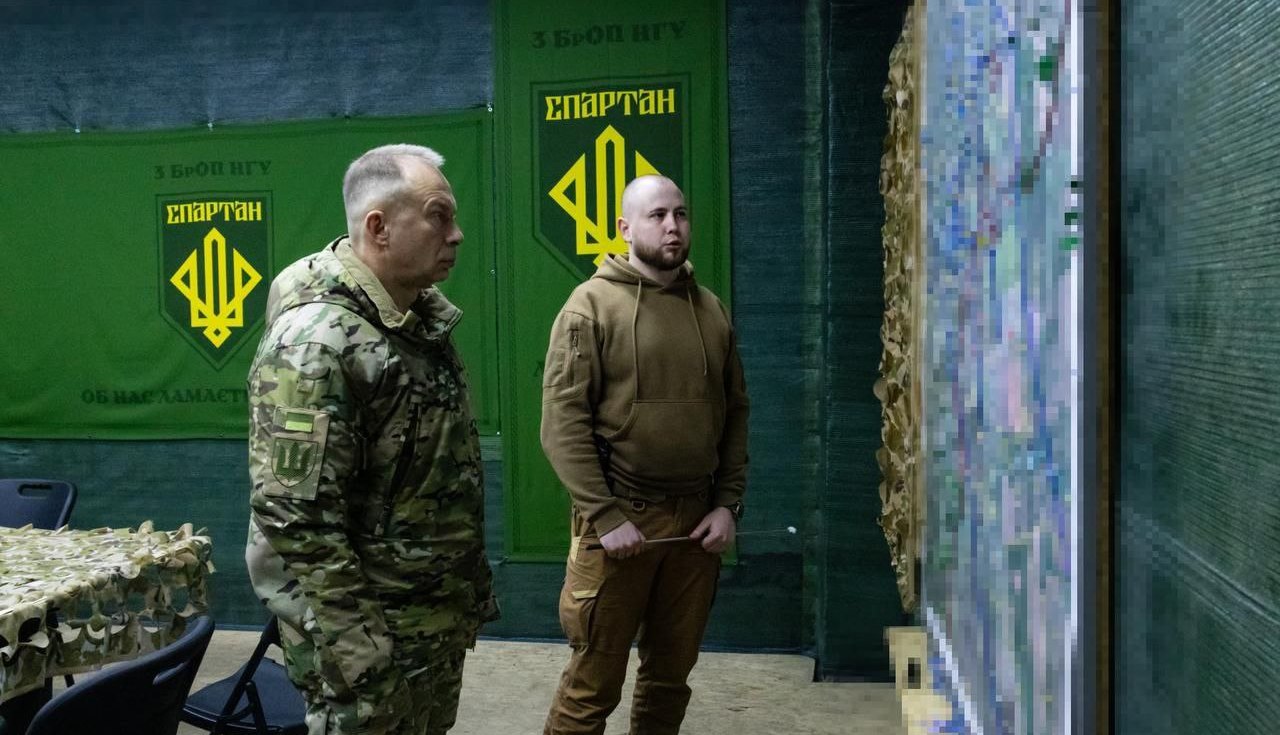
"Our troops are making maximum efforts to stop the enemy's advance and destroy its personnel and equipment. The northern part of Pokrovsk is under our control. We are stopping the enemy in Myrnohrad. We are conducting an active defense."
— Oleksandr Syrskyi, Commander-in-Chief of the Armed Forces of Ukraine
What command is doing
According to Syrskyi, brigades are carrying out a set of specific measures: strengthening frontline positions, organizing deeper defenses, ensuring the uninterrupted operation of key logistics routes, and preserving the lives of personnel. This is not only about the front line — it is about ammunition supply routes, evacuation of the wounded and sustaining the civilian population in the rear.
Operational reports confirm: on 28 December 2025 the National Guard command recorded local counterattacks near Pokrovsk, and on 2 January 2026 HIMARS strikes targeted enemy equipment. Such actions demonstrate a combination of defensive measures and targeted offensive operations.
Context and security implications
Why does this matter to every Ukrainian? First, defending the Pokrovsk–Myrnohrad agglomeration preserves strategic communications and reduces the risk of larger breakthroughs deeper into our territory. Second, every resource invested in logistics and precision strikes decreases human losses and allows maintaining initiative in other sections of the front.
Analysts in Ukraine and in the West note: if the enemy continues to build up manpower, the fighting will turn into a grinding war of attrition. Our advantages — depth of defense, mobile fire assets and the ability to conduct local counterattacks — will be maintained only with steady partner support.
Brief conclusion
The Pokrovsk direction today is a test of endurance for the defence system: from tactical decisions on the ground to the supply of equipment and ammunition. The Defence Forces' task is clear — preserve combat capabilities and the lives of defenders. Now it is up to our partners: will we receive the means needed to turn current efforts into sustained frontline resilience?





