What the FIS reports
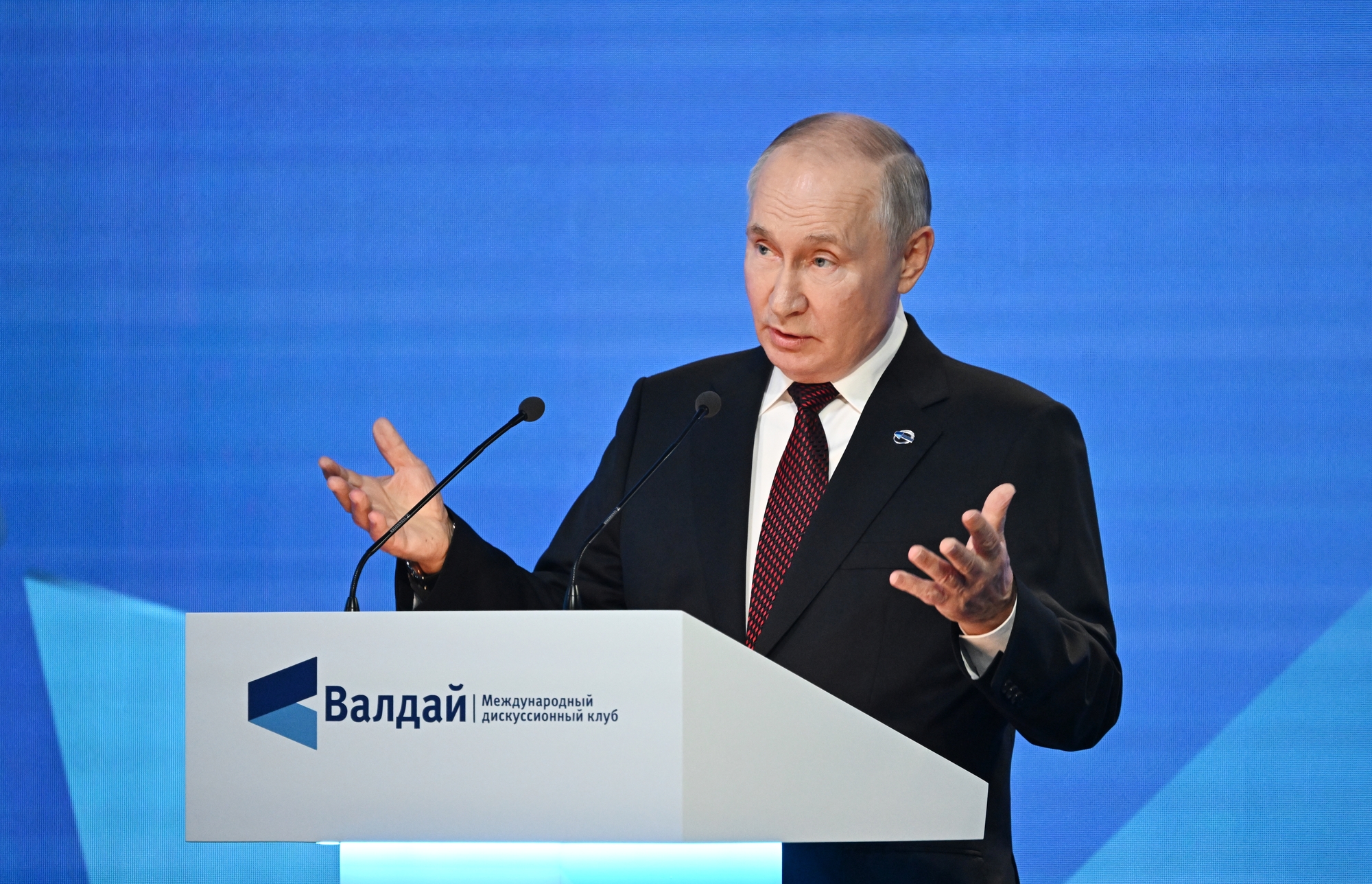
The Foreign Intelligence Service of Ukraine (FIS) warned of a targeted Russian information operation aimed at derailing agreements between President Volodymyr Zelensky and U.S. President Donald Trump. According to the FIS, the Kremlin accused Ukraine of an alleged attempt to attack Vladimir Putin’s residence in Novgorod Oblast using 91 unmanned aerial vehicles (UAVs) — a narrative that was quickly taken up by senior Russian officials.
Facts that raise doubt
Lack of material evidence. Residents of Novgorod Oblast did not report any consequences of an attack; there are no debris, photos, or videos that the Kremlin could present as confirmation.
Rapid coordination of the narrative. Statements by Lavrov, then Grushko, Ushakov and other officials appeared within hours — the FIS points to adherence to "talking points" and carrying out leadership directives.
Changes in official reports. The Russian Ministry of Defense adjusted the number of recorded drones (from 18 to 23), indicating data being tailored to fit the desired narrative.
"There are a number of facts that indicate the information about the attack on the residence is fake"
— The Foreign Intelligence Service of Ukraine
Why the Kremlin needs this narrative
The FIS explains: such an information strike simultaneously accomplishes several goals — to justify tougher rhetoric domestically, to create preconditions for strengthening Moscow’s negotiating position, and to prepare the ground for further actions on the front under the cover of "explanations." This corresponds to Moscow’s previous practices, when unsubstantiated claims were accompanied by escalation.
What this means for Ukraine and partners
In short: an increased risk of information escalation and an attempt to influence partners’ decisions. In the long term this is a test of the maturity of the international response — whether facts will be demanded, rather than yielding to emotional rhetoric. Analysts note that an effective response includes rapid fact-checking, a public demand for evidence, and maintaining coalition unity.
Next step: whether diplomatic declarations will turn into concrete actions will depend on partners’ willingness to demand independent verification and on our ability to promptly provide context and facts.
Summary
This is not just another information wave — it is an attempt to rewrite the terms of the dialogue between Kyiv and Washington. The response must be equally structured: facts, verification, diplomatic pressure. Now the ball is in the partners’ court — will they demand evidence, or allow manipulations to shape policy.





