What the General Staff said
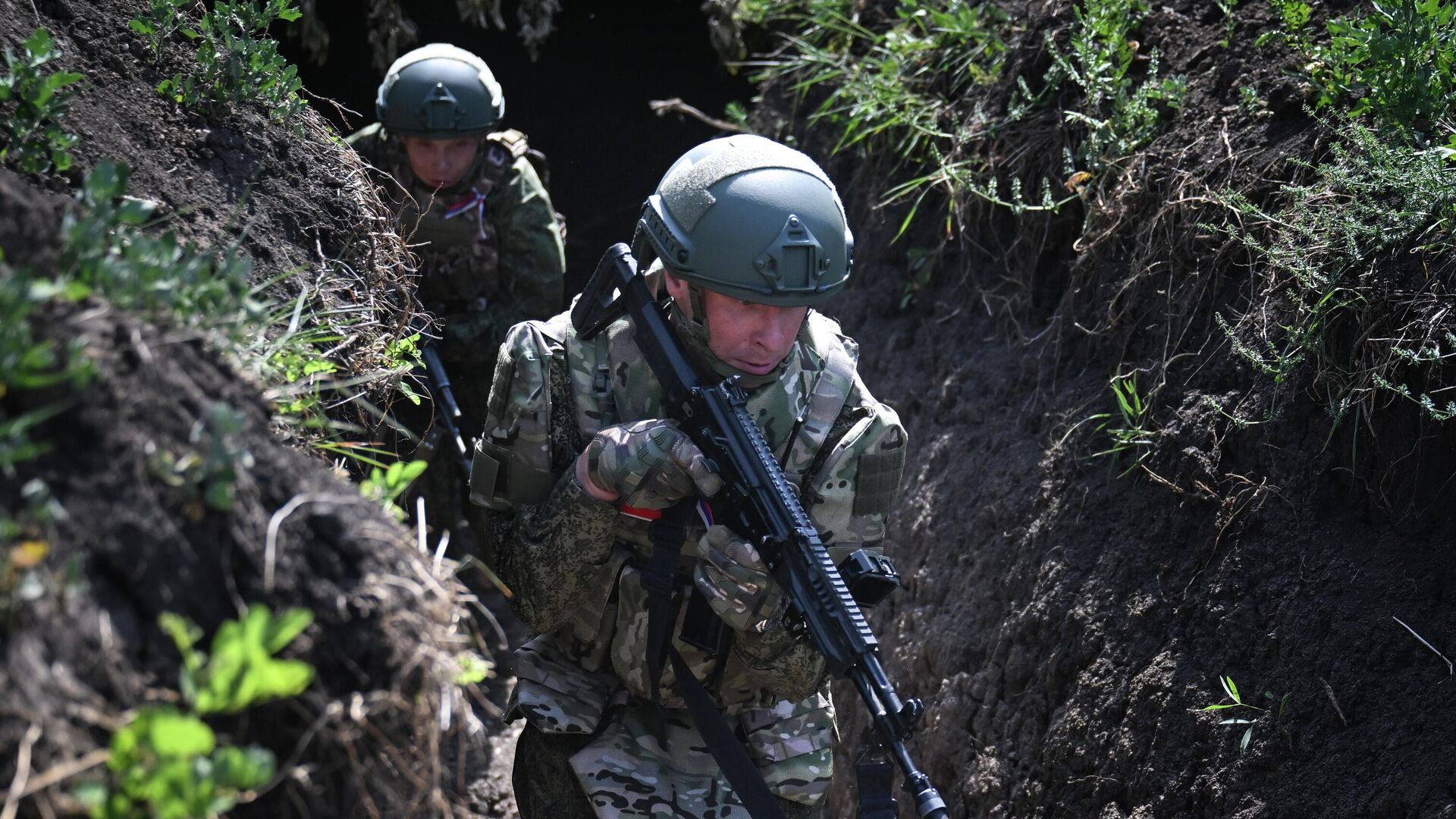
Infiltration ("saturation") actions by the Russians are being recorded on several sectors of the front. In an interview with RBC-Ukraine, the head of the Main Operational Directorate of the General Staff, Major General Alexander Komarenko, noted that about 10% of those who go out to infiltrate reach the designated points — roughly one in ten.
"This tactic is very costly for the enemy, because maybe only about 10% of those who go out actually reach the point"
— Alexander Komarenko, Head of the Main Operational Directorate of the General Staff
Why this matters
If only about ~10% reach the objective, the infiltration method itself acts as a mechanism of moral and material attrition against the enemy. It means Russia is willing to pay with personnel to achieve local results — increasing its manpower and logistical costs.
For us this is a twofold opportunity: first, effective detection and destruction of groups en route reduces their combat capability before they assemble at targets; second, the high cost of the tactic makes it ineffective over the long term — Moscow will be able to sustain such rates of losses only at significant resource expense.
Confirmation and context
An analysis by LIGA.net also examines an approach aimed at systematically reducing the aggressor's human potential: the piece mentions a strategy focused on destroying large masses of the enemy each month (a benchmark of 50,000 was named) as a way to undermine the Kremlin's operational potential. Individual episodes confirm the use of "total saturation" infiltration: in August 2025 Syrskyi mentioned the use of this tactic, in particular in Pokrovsk; similar approaches were observed in Myrnohrad in Donetsk region, where the enemy deliberately abandoned direct assaults in favor of infiltration.
- Pokrovsk — an example of the use of "total saturation" infiltration in August 2025.
- Myrnohrad — recorded abandonment of assaults in favor of build-up actions behind defensive lines.
What this implies for defense
The response should be systematic and pragmatic: the priority is interception of groups en route. This means strengthening reconnaissance (UAVs, radars, movement identification), integrating artillery and strike drones to hit concentrations, and actively employing electronic warfare to disrupt enemy coordination. Logistics, reconnaissance, and accurate fire response make "infiltration" costly and ineffective for the aggressor.
Conclusion
The phenomenon described by General Komarenko not only indicates the enemy's tactical preferences but also opens practical ways to neutralize them. If we continue to focus on detecting, intercepting, and striking enemy forces before they gather at points, the cost of their operations will rise to an unacceptable level for Moscow. Whether the Kremlin can replace these losses is the key question on which the coming months of fighting will depend.
Sources: interview with RBC-Ukraine with A. Komarenko; LIGA.net analysis.





