What happened
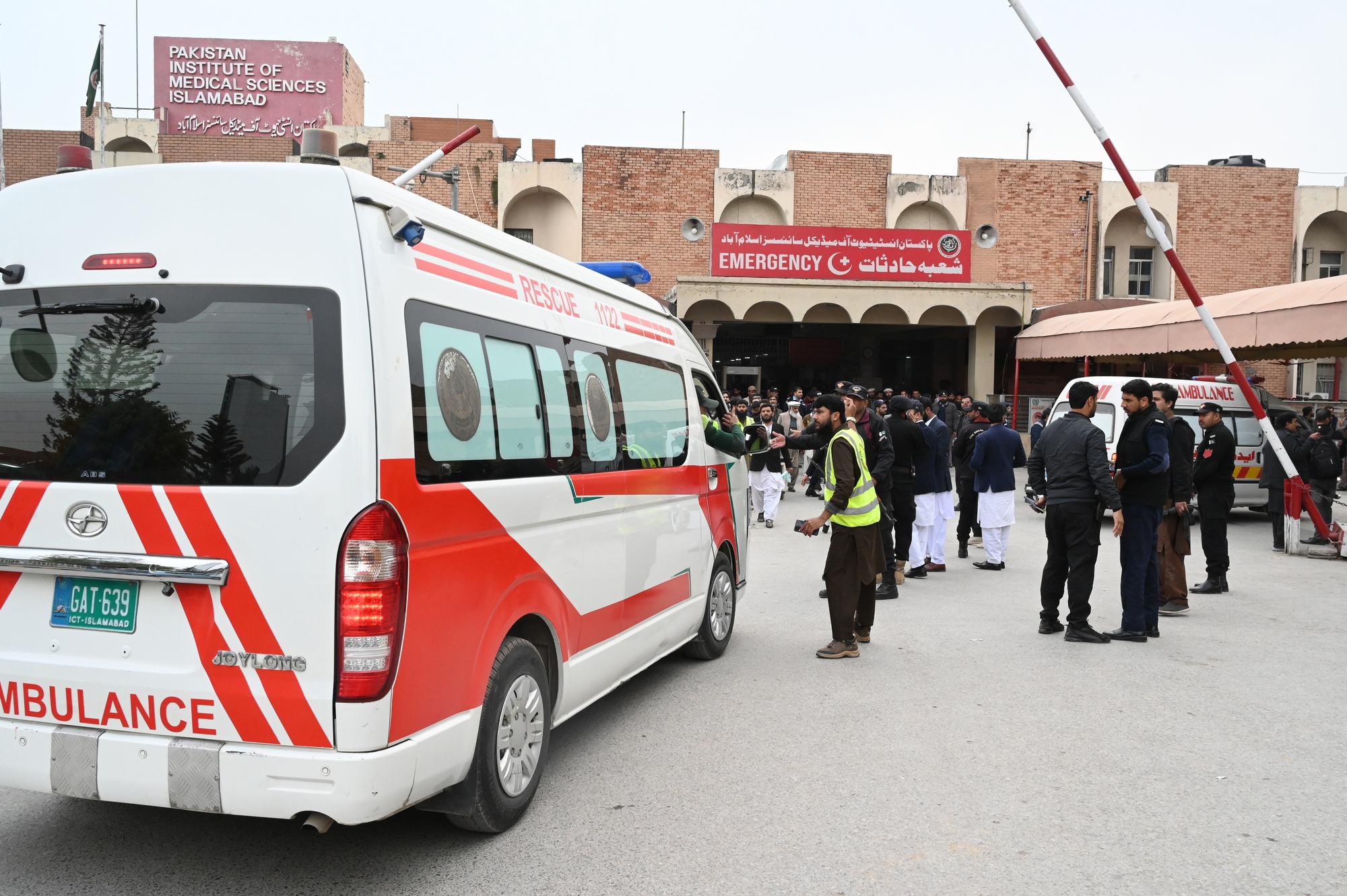
On February 6 an explosion ripped through a Shia mosque in Islamabad, killing at least 31 people and wounding around 169. The report of the incident was provided by the agency Reuters. According to police, the suicide bomber was stopped at the mosque gates before he triggered the explosives; two policemen who reported this asked not to be named.
Context and consequences
This is the bloodiest attack in Pakistan’s capital in more than ten years. The blast occurred amid heightened security measures connected to a visit by Uzbek President Shavkat Mirziyoyev: roads had been closed and checkpoints deployed across the city. No group has claimed responsibility yet; the investigation is ongoing.
Experts note that although explosions in Islamabad are less frequent, the country has experienced a rise in violent activity in recent years, particularly along the border with Afghanistan. This heightens risks to diplomatic visits, infrastructure and religious communities in major cities.
"In total 31 people have died. The number of injured brought to hospitals has risen to 169"
— Irfan Memon, Deputy Commissioner of Islamabad
What this means for the region and the international community
The attack has several dimensions of importance: first, it tests the capacity of Pakistani security services to operate under pressure during high-profile visits; second, it signals to neighbouring states and international partners a potential escalation of terrorist activity in South Asia.
Analysts, including observers commenting on implications for regional stability, note that even isolated bloody incidents erode confidence in security measures and force diplomatic and economic engagements to factor in additional risks.
Parallels and reminders
This case should be read in the context of recent attacks in the region: on January 19, 2026 an explosion in Kabul killed several people, and on November 14, 2025 another bloody incident took place in the Indian-administered part of Kashmir. Such events underscore the need for coordination of intelligence and counterterrorism efforts at the interstate level.
Conclusion
While no one has claimed responsibility for the attack, the key task for Pakistan and its partners is not only to find those responsible but also to restore confidence in security systems. For the international community, it is a reminder: the fight against terrorism requires sustained cooperation, intelligence-sharing and attention to the social and political roots of radicalization. The question remains open: will partners be able to use this incident as an impetus for concrete measures, rather than mere statements?





