Context: quiet arrangements matter more than loud declarations
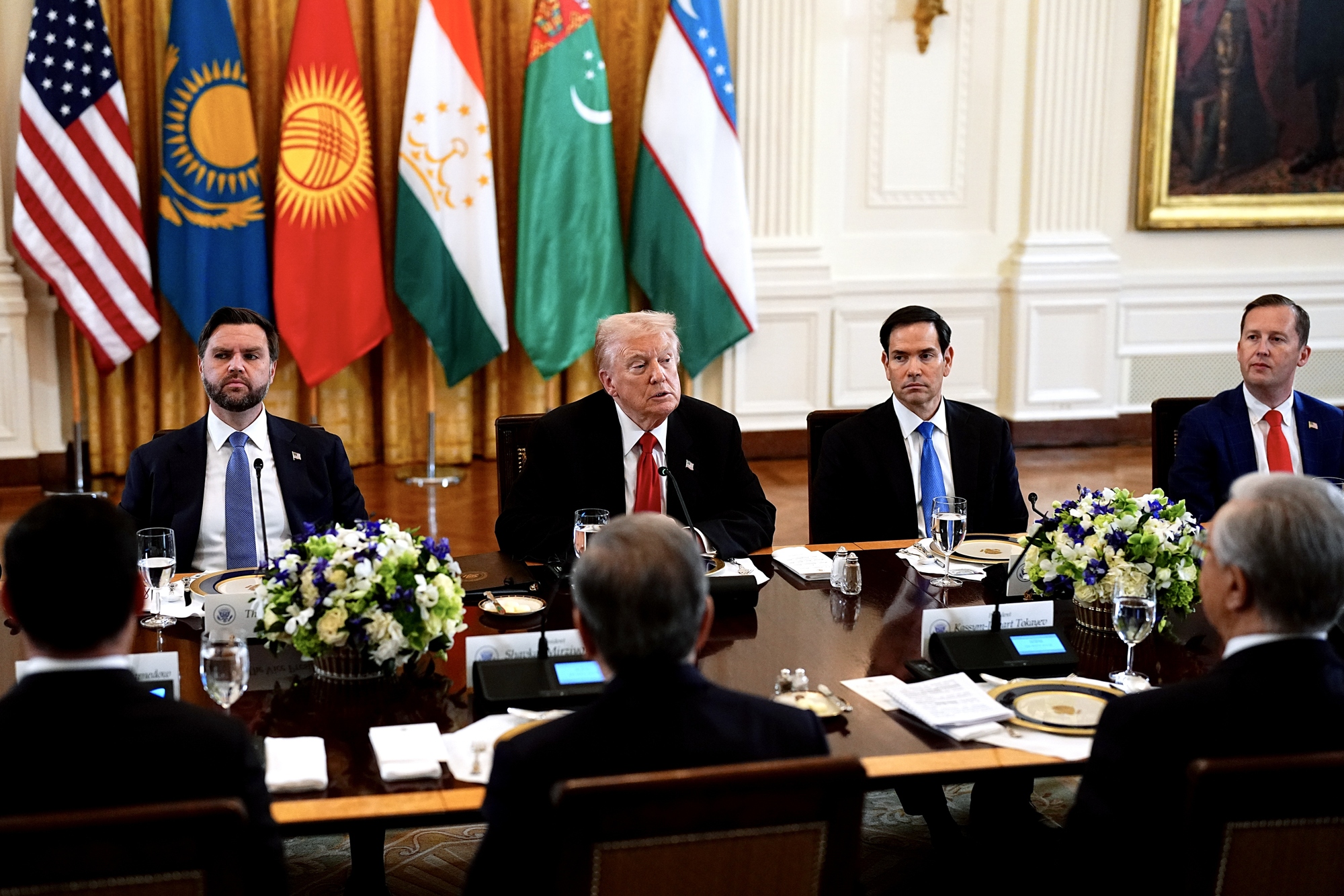
According to Axios, Donald Trump is actively asking advisers and confidants who they would see as the leader of the Republican Party and a likely presidential candidate in 2028. The name mentioned most often is J.D. Vance, with Marco Rubio frequently mentioned alongside him.
Trump's stance: legacy above all
Axios reports Trump’s motive is simple: he wants to preserve his political legacy. He is asking his team not to dictate a final choice but to understand who can maintain influence and continue the administration's line.
"Vance-Rubio is the president's ideal ticket for 2028, and to be clear, Vance is the lead candidate"
— a Trump adviser (Axios interlocutor)
Rubio and Vance's roles: why they complement each other
Sources say the difference between them is clear: Rubio is more prominent in the media space and, Axios notes, appears more often in the news the president reads himself. However, he carries a dual burden — the roles of Secretary of State and National Security Advisor would complicate any potential transition to another position.
"I'll be one of the first to support Vance if he decides to run"
— Marco Rubio, Vanity Fair, 2025
By contrast, Vance is a candidate with less formalized responsibilities within the administration but, as earlier polls indicate, has better chances in the primaries. That creates a dynamic where Trump can promote Rubio as a strong partner on the ticket to balance Vance's lack of bureaucratic experience.
What this means for Ukraine
The selection or promotion of specific figures as Republican leaders is not only an intra-party matter. Foreign policy and assistance to allies depend on who sets the agenda and what the balance will be between sensational rhetoric and bureaucratic consistency.
If priority is given to a candidate with strong media presence rather than deep diplomatic background, that could mean greater unpredictability in policy toward Ukraine. Conversely, an ally occupying the Secretary of State role who retains influence could serve as a guarantor of continuity in the foreign policy line.
Analysts in the U.S. note that what matters now is not only polls or internal preferences but whether those preferences will turn into concrete personnel decisions and political support mechanisms — budget votes, sanctions policy, military aid.
Conclusion
What now looks like the choice of a successor within the party has strategic significance for international partners. Ukraine should watch not only the names but how these alliances transform into institutional decisions. The ball is now in the allies' court: declarations must become signed documents and budgetary commitments.





