What happened and why it matters
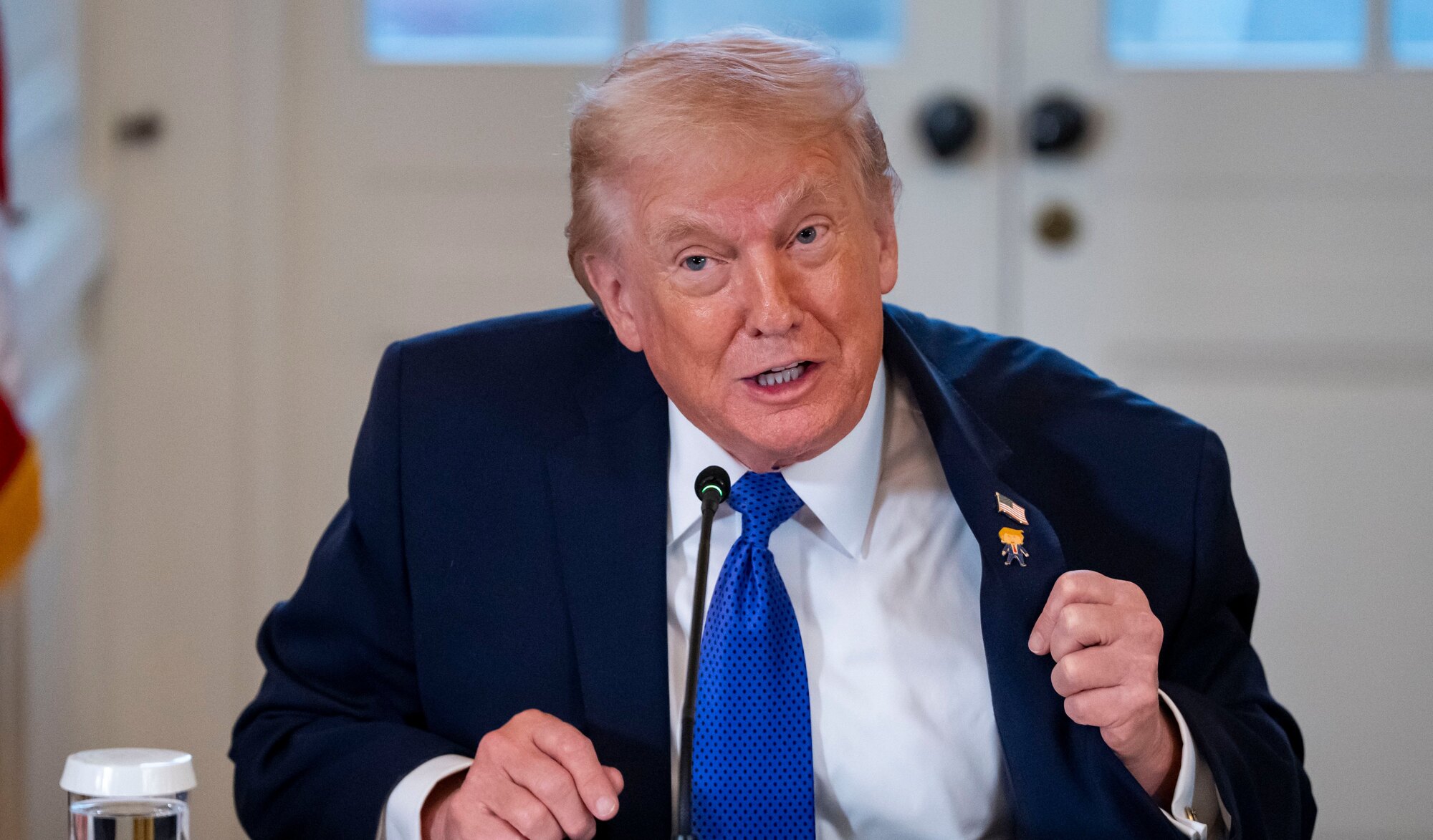
At a meeting with oil and gas company executives, U.S. President Donald Trump said the United States should have control over Greenland to prevent its "occupation" by Russia or China. Such public rhetoric has practical consequences: questions of ownership in the Arctic touch on the interests of NATO, the EU and, indirectly, the security of Ukraine.
What exactly Trump said
“We are going to do something about Greenland, whether they like it or not. Because if we don’t, Russia or China will take Greenland... We’ll do it the easy way or the hard way.”
— Donald Trump, President of the United States
He also cast doubt on the effectiveness of lease agreements between Denmark and Greenland, insisting on "ownership rights" instead of decades-long contracts. According to Trump, the alleged problem is that leases do not provide sufficient guarantees against strategic claims by other states.
Sources and key details
Trump’s statements are accompanied by several media reports: according to The Economist, Washington is considering options for a deal that would bypass Copenhagen (referring to mechanisms like COFA). Politico reports that in conversations Trump may have offered security guarantees for Europe or even for Ukraine in exchange for concessions on Greenland. Reuters reported the idea of financial incentives — up to $100,000 for each island resident — as part of a potential deal. A separate incident: on January 3, 2026 the wife of a Trump adviser displayed a map of Greenland in the colors of the U.S. flag, which added public resonance to the issue.
Why it matters for Ukraine
First, an increased American presence in the Arctic changes the balance of power: it means greater competition with Russia in a strategically important region. Second, an approach in which territorial issues become the subject of direct bargaining between great powers creates a dangerous precedent for international rules and for trust within NATO.
For Ukraine the main risk is the transformation of transatlantic solidarity into a series of bilateral deals, where security guarantees could become payment for entirely different concessions. At the same time, this situation also creates an opportunity: in diplomatic bargaining one can demand concrete long-term guarantees and institutional support mechanisms for Ukraine.
What happens next
The most likely scenario in the coming weeks is intensive negotiations between the U.S., Denmark and European partners, and a public discussion about COFA and the legal aspects of ownership of the island. Analysts warn that a hastily made decision could undermine NATO unity — and restoring it would be more costly than finding a compromise over Greenland.
For Ukraine it is important to follow not just the headlines but the wording of any agreements: will they contain clear security commitments and institutional guarantees, or will they turn into political, situational concessions. The ball is now in the allies’ court: will these declarations become contractual mechanisms capable of protecting the interests not only of the U.S., but also of its partners?
“This is not only a question of ownership — it is about control over corridors of influence in the Arctic and trust among allies.”
— according to assessments by analysts at The Economist and experts on transatlantic security





