A Quiet Policy Shift With Loud Consequences
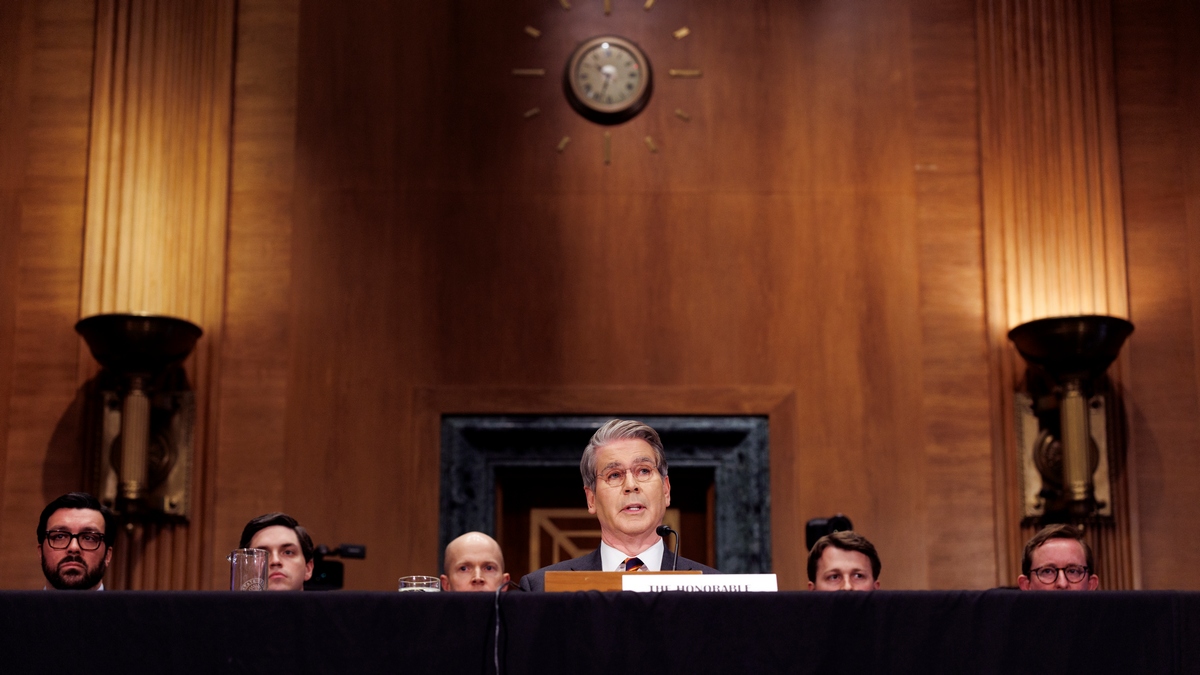
In 2025, after Donald Trump took office as president, the United States effectively wound down sanctions pressure on Russia, Democrats said during hearings in the U.S. Senate Banking Committee. Over the year the administration imposed restrictions against only two entities — Rosneft and Lukoil — while the European Union expanded its sanctions lists by nearly 900 names.
What Was Said in the Senate
Democrats on the committee emphasized that the eight-month delay in implementing a key sanctions package gave Russia opportunities to evade restrictions and strengthen its negotiating position. In their view, without systematic use of sanctions the U.S. loses levers of influence, increasing the risk that diplomatic negotiations will proceed with an advantage for the Kremlin.
"Why did the president, if he is serious about achieving the best possible peace agreement, allow the sanctions lever of influence to fall into disuse?"
— Representatives of the Democratic Party, U.S. Senate Banking Committee
The Administration’s Position and the Treasury’s Arguments
Treasury Secretary Scott Bessent acknowledged that the October sanctions against Rosneft and Lukoil were the administration's "biggest achievement," saying they were the measures that forced the Russians to come to the negotiating table. At the same time he explained that one package is sometimes considered sufficient and added that future steps will depend on the progress of peace talks.
"We'll see how the peace talks go."
— Scott Bessent, U.S. Treasury Secretary
What Was Missed and Why It Matters
A report by Senate Democrats lists potential sanctions targets the administration did not touch: more than 130 companies in China and Hong Kong allegedly involved in supplying banned chips to Russia; banks from Central Asia; and a number of firms already under restrictions by the EU and the U.K. Meanwhile the United Kingdom and Australia announced large sanction packages — roughly 300 and 180 names, respectively.
Consequences for Ukraine and What Comes Next
The framing of this story matters for the reader: sanctions are not only punishment, but a security tool. If the U.S. does not use it systematically, partners lose coordination and Russia gains pathways to bypass restrictions. That complicates Ukraine’s position in negotiations and lowers the price the world can impose on the Kremlin.
Now the ball is with the partners: will official statements and analyses be turned into concrete, coordinated steps? The effectiveness of the sanctions toolkit as a barrier against the aggressor depends on that.