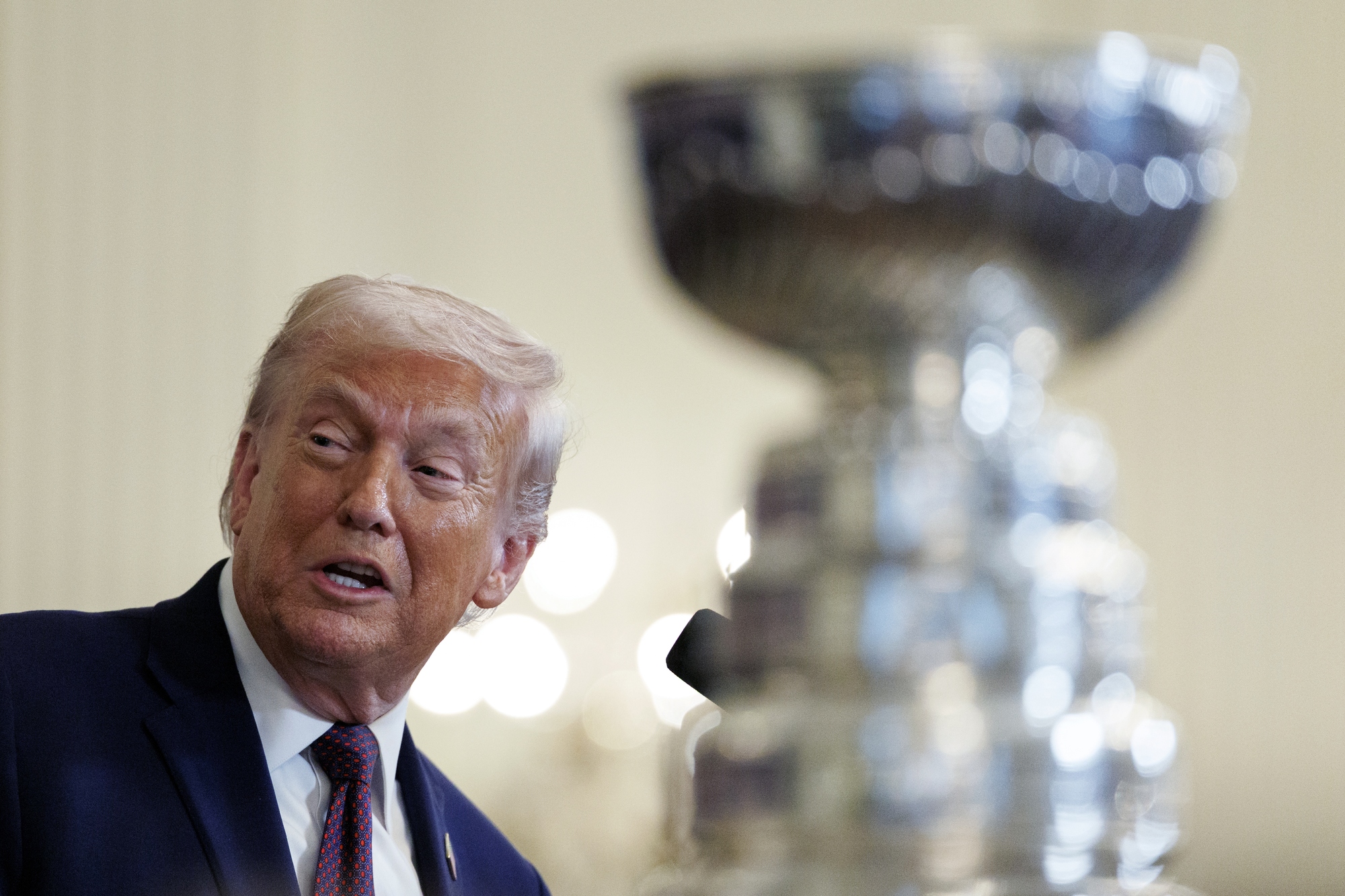
What Trump said
In an interview with NBC News, former and potential future U.S. president Donald Trump urged Europeans "to focus on the war with Russia and Ukraine," not on issues around Greenland. When asked whether he was prepared to use force to seize the island, he replied: "No comment". On the topic of possible tariffs on European countries in connection with pressure over Greenland, Trump said he would move in that direction "100%." Information about these remarks was provided by NBC News.
"No comment"
— Donald Trump, NBC News interview
What is happening around Greenland and tariffs
On January 17, 2026, Trump announced his intention to impose tariffs on allies in connection with the Greenland issue. This is not just rhetoric: European institutions began discussing the possibility of halting the approval process for a trade agreement between the EU and the U.S. On January 18, eight European countries issued a joint statement criticizing the tariff threats.
"Tariff threats undermine transatlantic relations"
— Joint statement of eight European countries, January 18, 2026
Why this matters for Ukraine
The explanation is simple: in high-stakes politics, unity among partners is a resource. When allies' attention is diverted to bilateral disputes or disagreements over economic tools, it reduces the political and material pressure on the aggressor. Transatlantic security analysts warn that an escalation of trade conflicts could complicate the coordination of supplies, sanctions, and military assistance that are critically important for Ukraine's security.
Consequences and scenarios
There are three realistic risks: first, an escalation of the trade conflict will lead to political fatigue among European leaders; second, delays in signing agreements could complicate economic support and logistics; third, rhetoric that justifies forceful intentions toward territories creates an unwelcome precedent in international relations.
What to do next
Ukraine and its partners should keep focus on two tasks: protect the operational coordination of material and technical assistance and work to restore trust in transatlantic institutions. This means more transparent communication between capitals and clear signals that security concerns outweigh trade speculations.
In short: Trump's words are not just a political gesture but a potential risk to a consolidated response to Russian aggression. The ball is now in the court of European leaders and institutions: will they withstand the pressure, or will they allow trade arguments to weaken a unified strategy to support Ukraine?





