Briefly
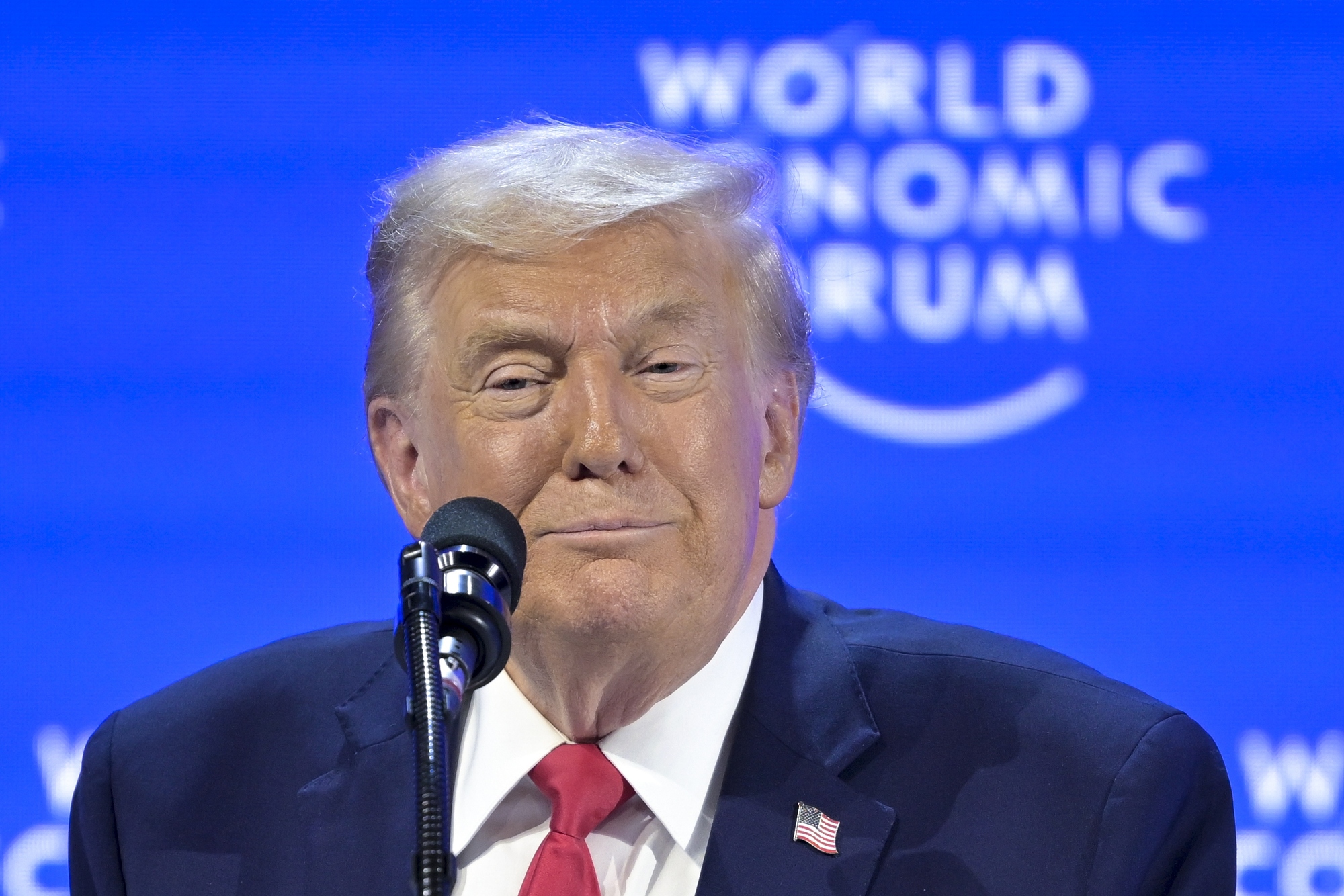
On Wednesday, January 21, U.S. President Donald Trump spoke at the World Economic Forum in Davos. The address, which was broadcast by the White House, combined a review of U.S. economic policy with critical remarks toward Europe, as well as a separate line about Greenland. Why these words matter right now — read on.
What Trump said
The president highlighted what he presented as the United States' economic successes during his second term: lower inflation, rising investment and incomes, and a decreased flow of migrants. He directly compared the state of economies, arguing that the situation in the U.S. affects the entire world.
"The U.S. economy is one of the most powerful in the world. If things are good in the United States, then they're good in other countries. If things are bad in America, then, accordingly, the whole world feels it."
— Donald Trump, President of the United States
Separately, Trump criticized Europe for allegedly moving in the "wrong direction" because of increased government spending, migration and falling investment. He called for a focus on energy, trade and immigration as key issues for a "strong and united West."
"I want to see it achieve great success. That's why issues like energy, trade, immigration and economic growth must be central."
— Donald Trump, President of the United States
Context and consequences for Europe and Ukraine
At first glance this is a typical speech by a world leader about national achievements. But the signal matters as much as the tone: stressing the economic might of the United States alongside criticism of Europe can be used as an argument in U.S. domestic and foreign policy when setting priorities for supporting allies.
For Ukraine this has two key dimensions. First, any doubts about Western unity or an increased emphasis on U.S. national interests could complicate diplomatic pressure on Russia and the logistics of delivering defense assistance. Second, the message about energy and trade highlights the importance of Europe's economic resilience — that is, our energy projects and investments that affect western partners' ability to support Ukraine over the long term.
Analysts note that public rhetoric at forums like Davos often serves a domestic audience and creates a "frame" for future political decisions. Therefore, it's important to watch not only the phrases but subsequent actions — budget proposals, trade agreements and defense packages.
Details worth knowing
The White House broadcast the speech. According to CNN, Trump flew to Davos on a new plane after an alleged wiring problem was discovered on Air Force One. Separately, media noted that Ukrainian President Volodymyr Zelensky planned to attend Davos but is focused on energy issues following heavy shelling — details of any possible visit will depend on arrangements and the security situation.
Conclusion
The Davos address is not just a speech about the economy, but a way to shape expectations among the public and partners. For Ukraine the key question is whether these words will turn into policies that strengthen or weaken Western unity in support of our security. The next steps are actions — budgets, agreements and practical coordination among allies.





