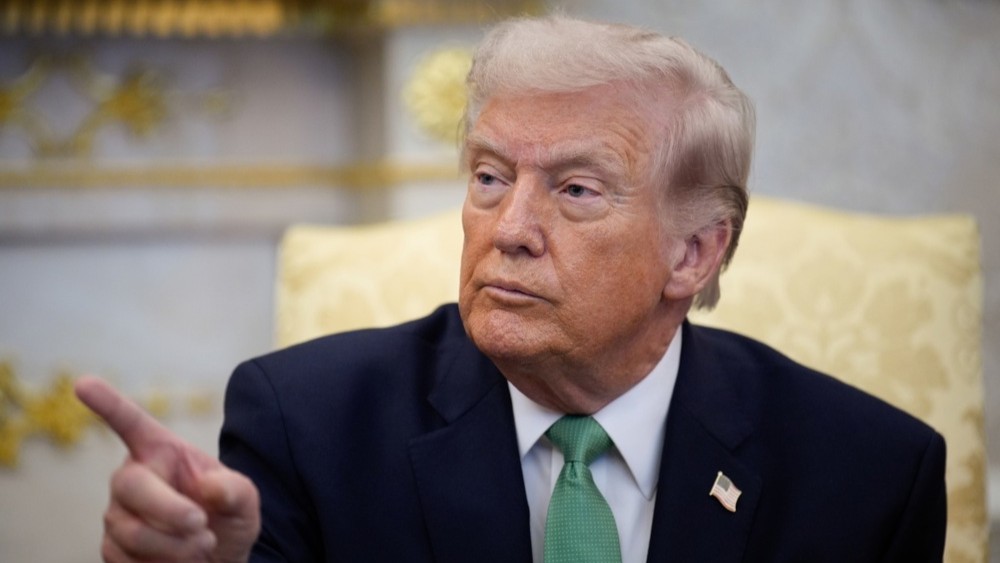
Trump's stance: from calls to self-sufficiency
U.S. President Donald Trump wrote on Truth Social that the United States "does not need" help from allies after a number of countries refused to take part in a security operation in the Strait of Hormuz. This is a direct response to his appeal the previous day for partners to send ships and to his even threatening a "very bad future" for those who refuse.
"We never needed it"
— Donald Trump, President of the United States (post on Truth Social)
What is said — and what is done
There is a deep gap between words and actions. Some European capitals, including the United Kingdom, Germany and France, openly declined to participate, arguing that this is "not a NATO operation." A German government spokesman stressed: "this is not NATO's war," which sent a clear signal of unwillingness to become involved in a direct military conflict in the region (source — statement of an official government representative; Reuters).
"This is not NATO's war"
— spokesman for the German chancellor Stefan Kornelius
Consequences for the alliance and trust
The "we are self-sufficient" rhetoric may temporarily reassure the domestic political audience in the United States, but in the long term it weakens the norm of collective responsibility. Analysts point out that when a leader says he does not need partners, the balance of expectations over the sharing of risks and costs shifts — and that undermines strategic trust between capitals.
Economic dimension: why this matters for Ukraine
Iran's blocking of the Strait of Hormuz has already pushed global energy prices up. LIGA.net analyzed why fuel has become more expensive and how this affects the gas market for businesses and households. For Ukraine, which imports energy carriers and depends on global markets, this means higher logistics costs, increased prices for consumers, and additional pressure on the state budget.
Risks and possible scenarios
If the United States acts alone, the risk of escalation in the region increases, which will heighten market volatility and concerns about supplies. If partners seek political-diplomatic avenues instead, this could smooth the risks but would require compromises and clearer coordination. For Ukraine the key is to minimize external shocks: diversify supplies, build up strategic fuel reserves, and diplomatically advance its interests on international platforms.
Conclusion
Trump's statement is not only about words but about a redistribution of responsibility in global security. For the alliance it is a test of coordination; for Ukraine — another challenge to energy stability. The question partners should be asked now is: are the loud statements being translated into concrete actions and mechanisms to guard against economic shocks?





