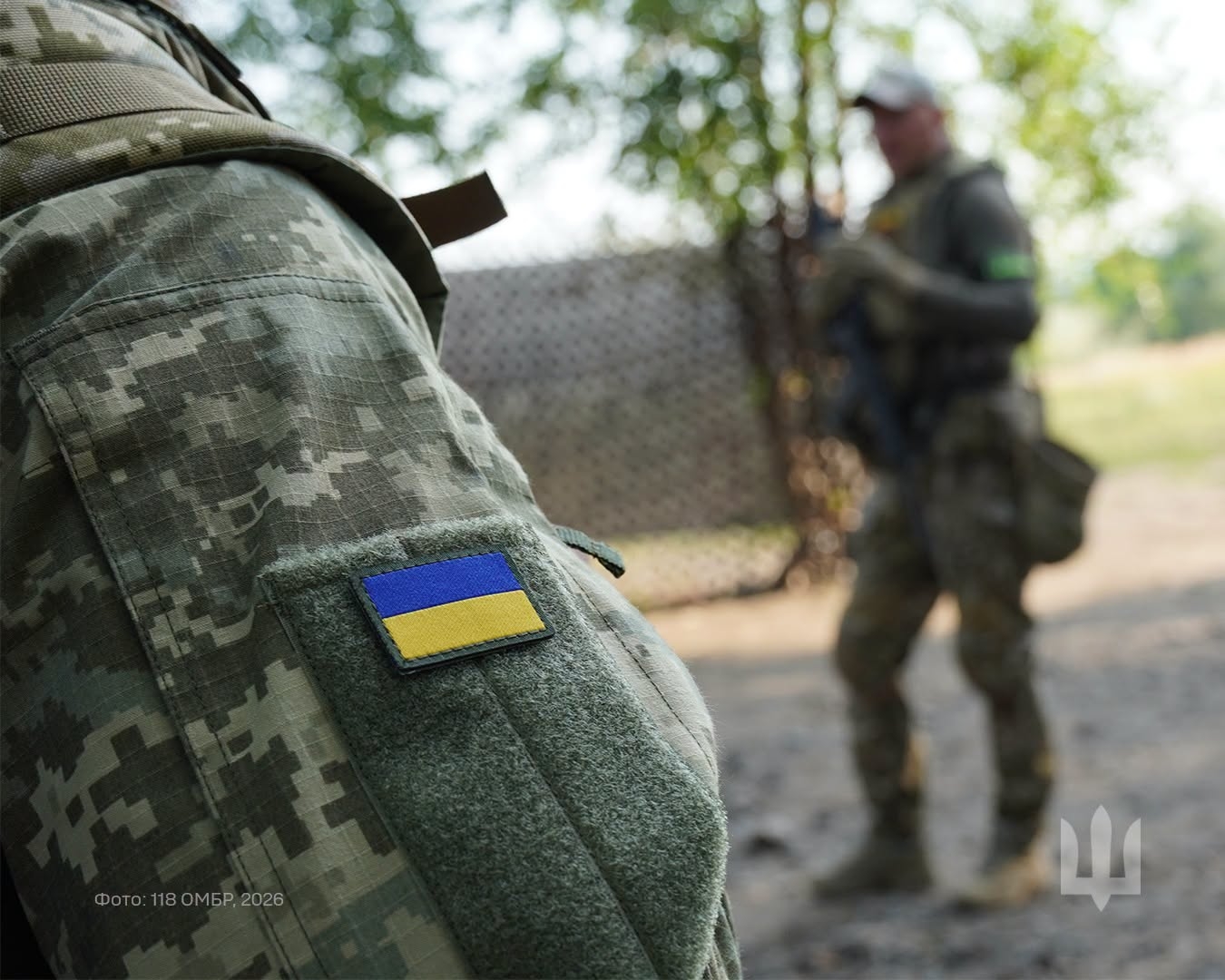
A meter-and-a-half swampy stream was transformed in Russian command reports into a river "wider than the Dnipro". This is how officers storming Mala Tokmachka in Zaporizhzhia region explain to their superiors why they cannot capture an ordinary Taurian village. Dmytro Pelykh, head of the communications department of the 118th Separate Mechanized Brigade, told LIGA.net about this.
When lies become a system
This episode is interesting not as an anecdote about cowardly subordinates, but as an illustration of how the information hierarchy works in the Russian army. A commander on the ground, who cannot explain failure with real reasons – minefields, drones, open terrain – invents a natural obstacle. It looks more respectable than admitting that the unit was simply shot to pieces on the approaches.
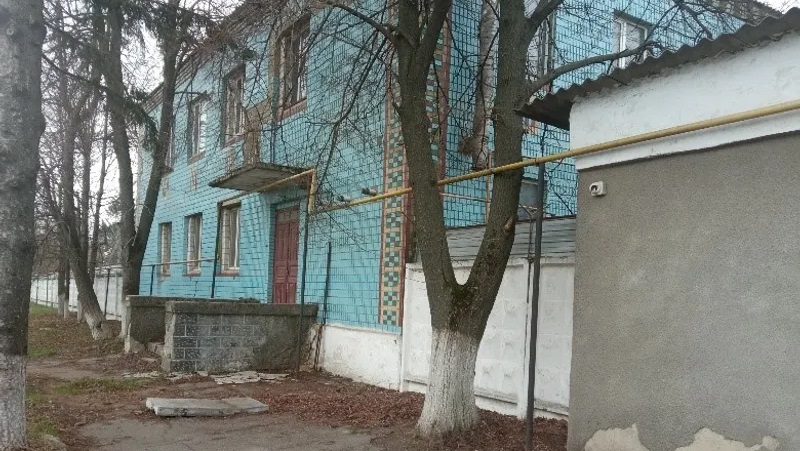
"In fact, there is only a somewhat swampy stream in the Mala Tokmachka area, somewhere around a meter-and-a-half," says Pelykh. Before the war, the village had residential buildings, a railway, a colony, and a brick factory – typical infrastructure of a Taurian settlement. For Russian assault groups, it has turned into a "hyperbolized fortress," which is more convenient to explain with an invented river than with their own tactical incompetence.
Steppe as the main weapon
The real reason for failures is open terrain. The approaches to Mala Tokmachka pass through tens of square kilometers of steppe without forest belts and shelter. This allows Ukrainian units to detect assault groups during their advance, before they get close to defensive positions.
The result is a casualty ratio on the Orikhiv direction of approximately one to over fifty, says Pelykh.
"We don't allow our infantrymen to engage in firefights. And for roughly two years now, there have been very rare cases when infantry has had to engage in combat," Pelykh explained.
In other words, the key part of the defense happens before contact: drones detect the column, artillery and minefields do the rest, and infantry joins the battle only as a last resort.
The price of a distorted picture for the Kremlin
The story of the "river" is not an isolated case. Back in 2022, The Wall Street Journal wrote that Vladimir Putin receives incomplete or outdated information about the progress of the war. If commanders on the ground are accustomed to covering failures with invented obstacles rather than tactical mistakes, then decisions "at the top" are made on the basis of a distorted picture of the battlefield – with new orders to attack head-on where the real problem is not a river, but the system of detection and minefields.
- Vladyslav Voloshyn, spokesperson for the Defense Forces of the South, previously spoke about Russia's lack of success in Mala Tokmachka.
- In 2025, data emerged that Russia is moving additional assault groups to the village.
The question is not whether the Russians will ever take Mala Tokmachka – but how many more units the command is willing to lay down in the steppe while reports explain it with invented rivers rather than the real tactics of Ukrainian drones and mines.