Briefly
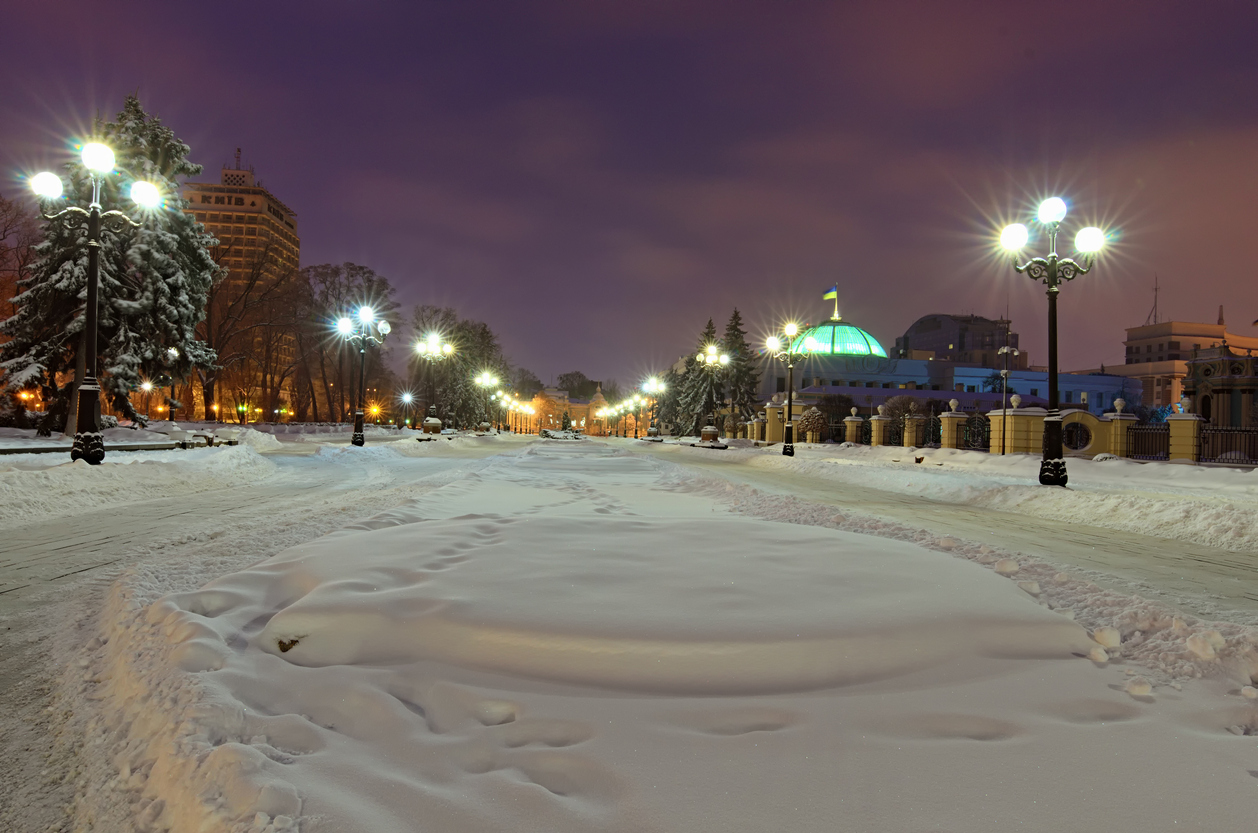
Kyiv is gradually limiting and switching off outdoor lighting in parks and squares. The decision was made due to an electricity shortage and the technical inability to smoothly dim brightness in most fixtures — mostly sodium and mercury lamps without dimming capability.
Why this is happening
The facts: the capital has many outdated types of street lamps that do not allow power reduction. At the same time, LED fixtures can operate in an energy-saving mode — as low as 20% of their power. Where that option is not available, fixtures are turned on partially — to about 30% of the normal load. The network is managed through roughly 1,500 control cabinets, and park shutdowns are carried out mostly manually.
"Lighting of parks and squares will be switched off in stages. During the curfew, outdoor lighting in the city is turned off completely."
— Kyiv City State Administration
What this means for residents
- In the evenings and early mornings some parks and squares will be darker: plan walks, outings with children and pets in advance or choose illuminated routes.
- Part of the street lighting has already been reduced to 20% of total power; architectural lighting and advertising signs are also being limited.
- Similar measures are being applied by other large infrastructure operators: for example, Ukrzaliznytsia has reported dimming lighting at several stations.
Context and outlook
This is not just about comfort: in an energy crisis mode every saved kilowatt is part of the overall energy defense. Switching off parks is therefore a temporary but necessary step until a large-scale transition to LED and centralized remote lighting control is implemented.
Investments in network modernization (retrofitting fixtures, automating control cabinets) are a long-term solution that will reduce network loads and improve safety. Until then, residents and authorities will need to balance energy resilience with accessibility of public spaces.
Practical tips
- Choose routes with active street lighting after dark.
- If you notice emergency situations or lack of light in critical areas, report them to city services — quick feedback helps prioritize sites for lighting.
Summary
Switching off lighting now is a technical and tactical decision: in the short term it reduces strain on the system; in the long term it requires investment in LEDs and automation. For Kyiv residents this is a call to adapt — and at the same time a contribution to the stability of the city's power system during a difficult period.





