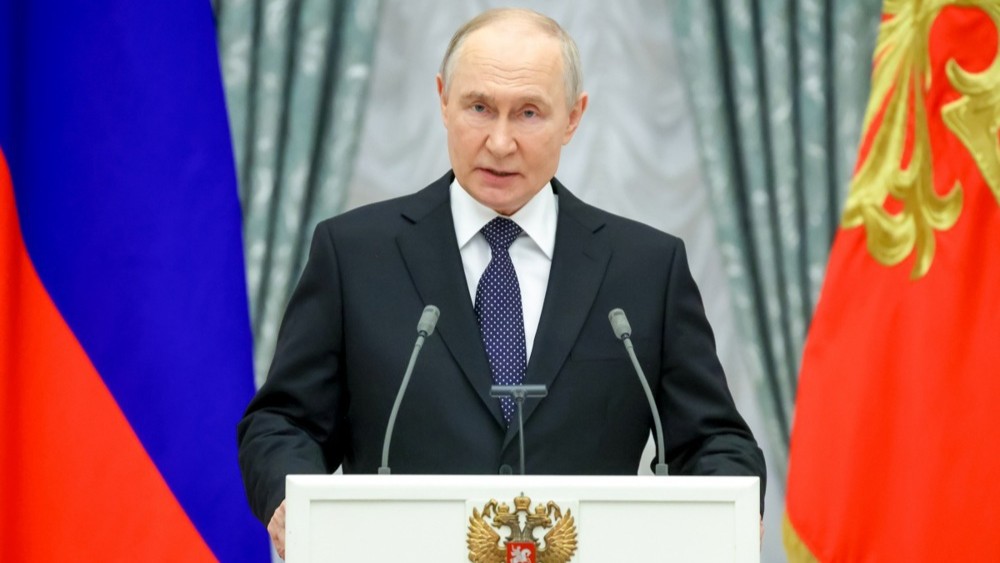
The General Staff of the Armed Forces of Ukraine confirmed a strike on the "Rubicon" facility in the Starobilsk area of Luhansk region. The official response came after the Russian side launched a narrative about an alleged attack on civilian infrastructure — with the usual set of claims: "peaceful residents," "panic," and threats of "retaliation" from Putin.
The General Staff clearly distinguished: "Rubicon" is a military facility, not a civilian one. The strike was delivered deliberately. Military officials refrained from publicly commenting on operational details — standard practice during active combat operations.
How the Russian Information Template Works
The scheme used by Russian propaganda after the strike is well-rehearsed: any successful attack on military infrastructure in occupied territories is declared "terrorism against peaceful population." The goal is not to convince the West (they have long known the value of such statements), but to create internal pressure and give the Kremlin a pretext for escalatory rhetoric.
Putin's threats of "retaliation" fit into the same logic: not a specific plan of action, but a signal to the domestic audience — that Moscow "controls the situation."
Starobilsk as a Logistics Hub
The Starobilsk area is significant not only symbolically. The city has been under occupation since March 2022 and is used as a rear logistics hub for groupings in the east. Strikes on military facilities in this area directly affect the supply chains of Russian units operating on the Kharkiv and Luhansk fronts.
This is precisely why attacks on such targets provoke a painful reaction — and this is why the propaganda machine responds quickly, trying to shift the conversation from the military dimension to the humanitarian one.
Where the Line Between Military Target and Civilian Infrastructure Lies — and Who Determines It
The fundamental question here is not about a specific strike, but about the verification mechanism. Ukraine claims a legitimate target. Russia claims civilian casualties. Independent verification on occupied territory is effectively impossible: international organizations do not have access there, local sources either remain silent or speak under pressure.
This information asymmetry is not accidental. It is built into the occupation strategy: the closure of the territory allows for controlling the narrative and shaping any story without the risk of refutation.
The question that remains open: if Ukraine systematically strikes rear facilities in occupied areas and the General Staff confirms such strikes — do international partners have a mechanism for independent assessment of target legitimacy, apart from reliance on Ukrainian reports?





