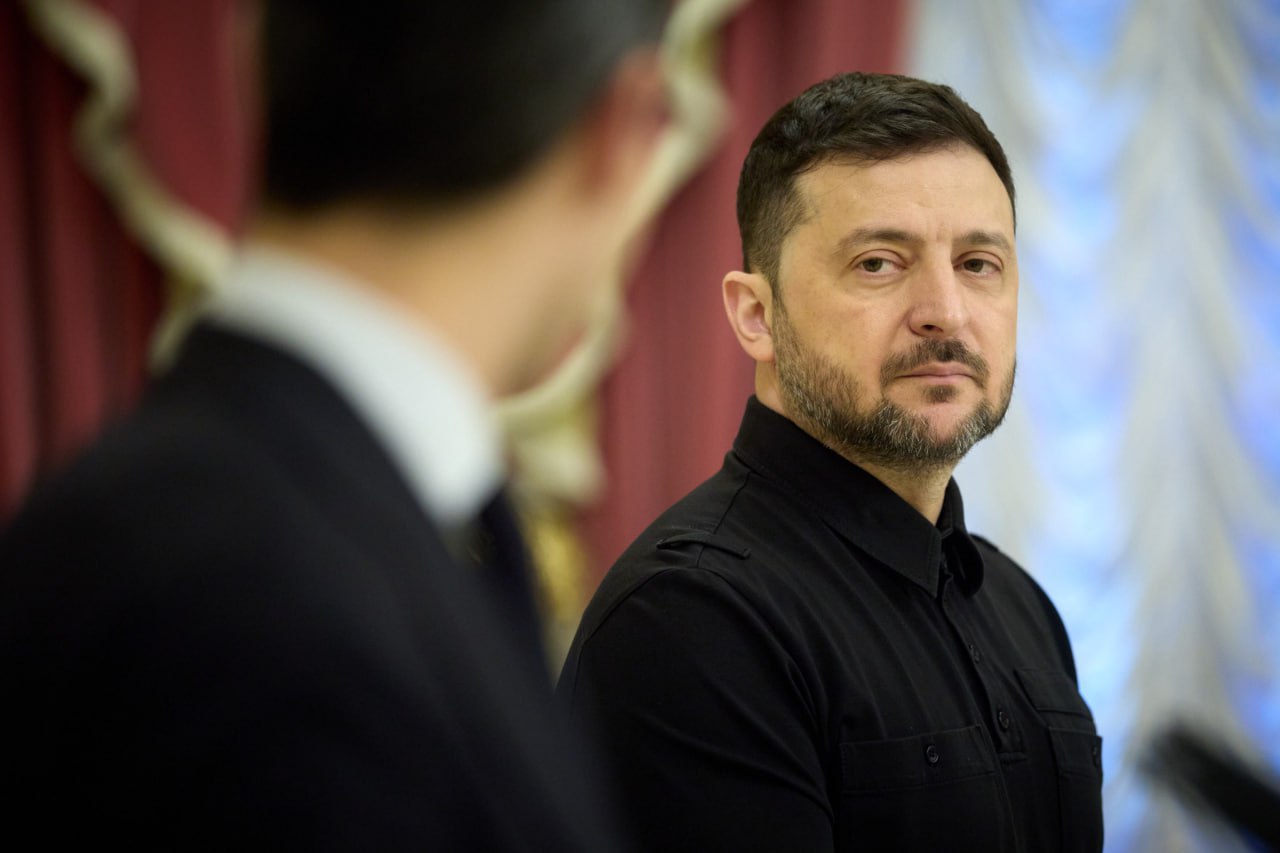
What was announced
At a briefing with Dutch Prime Minister Rob Jetten, President Volodymyr Zelensky said that Ukrainian military experts will travel to the Middle East "with the capabilities to help" countries that are being struck by Iranian drones. The trip is operational in nature: the experts will not only assess the situation but will also provide practical support.
"As for our expert groups, of course I mean military expertise. And with the appropriate defensive capabilities, they will be sent to what I told you."
— Volodymyr Zelensky, President of Ukraine
Context: who and why
This initiative comes against a backdrop of several international moves: on March 1 the UK prime minister Rishi Sunak / the Labour leader (in the original — Starmer) said that Ukrainian specialists would be involved in combating Iranian drones; on March 5 Zelensky himself confirmed Ukraine's readiness to assist at the request of the United States. According to reports, partners that were struck have already used about 800 PAC-3 missiles to repel the attacks — a scale Ukraine has not faced in a single incident.
Why this matters for Ukraine
The experts' trip is not only solidarity with partners. First, it is a way to draw attention to Ukrainian experience in countering drones and to showcase our technologies, in particular drone interceptors. Second, it is an element of leverage: exchanging practical assistance can become an argument in negotiations over supplying missiles and air defense systems to Ukraine.
Possible scenarios
The experts' next steps will determine the direction: from technical assistance and data sharing to supply agreements. Analysts highlight three realistic scenarios: 1) a short advisory mission without material consequences; 2) a mission that leads to political agreements and the signing of contracts for air defense supplies; 3) a gradual exchange of technologies and ammunition repair as part of a broader support package.
Risks and benefits
The risk is diverting expert capacity and attention from the front. The benefit is strengthening Ukraine's international credibility, gaining access to critical air defense assets, and the opportunity to scale our technologies in new partner markets. As experts note in publications, strategic assistance strengthens not only partners but also the diplomatic position of the provider.
Summary
In practice, everything will be decided during the experts' initial meetings, who will already be on site next week. Whether the operational assistance will turn into concrete deliveries for Ukrainian air defense is the key question, the answer to which will affect the security balance for both us and partners in the region.





