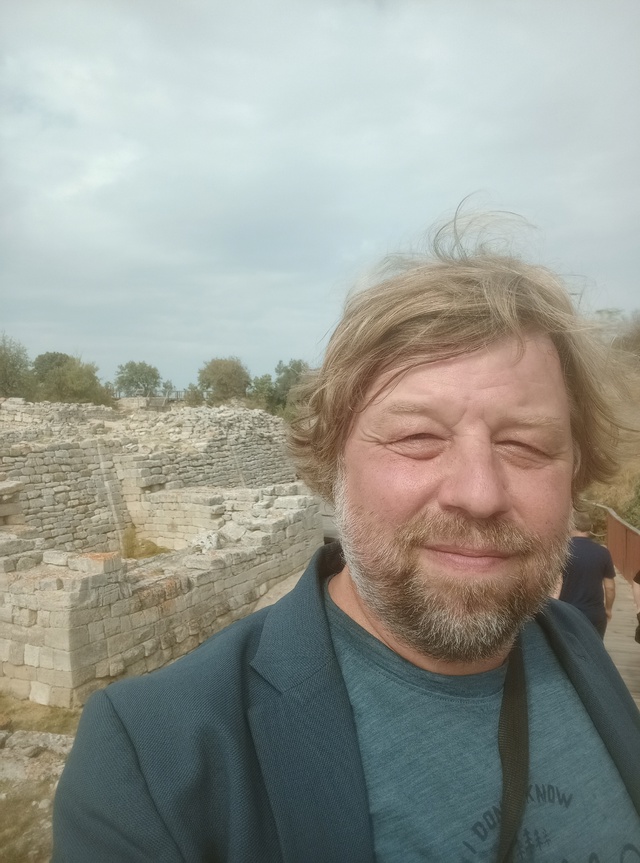
What happened
On March 18, a court in Warsaw granted a request to extradite Russian archaeologist Oleksandr Butyahin to Ukraine. The decision was reported by the Polish Press Agency (Polska Agencja Prasowa SA). The first-instance hearing was held behind closed doors — and this does not mean the suspect will be automatically and immediately extradited.
Positions of the parties
The suspect's lawyer, Adam Domanski, said the defense plans to appeal the decision and is awaiting the court's written reasoning.
"We will file an appeal against this decision and await the written reasoning."
— Adam Domanski, lawyer for O. Butyahin
"The decision was expected."
— Oleksandr Butyahin, the suspect
Evidence and charges
The Ukrainian Prosecutor's Office for Crimea and Sevastopol accuses Butyahin of illegal excavations near Kerch which, according to the investigation, partially destroyed a cultural heritage site and damaged the cultural layer to a depth of up to two meters.
Under the Ukrainian Criminal Code (Part 4 of Article 298) the suspect faces up to five years in prison. The Ukrainian side estimates the damage to cultural heritage at more than 200 million hryvnias.
Context and significance
This case goes beyond a single criminal proceeding: it concerns accountability for damage to cultural heritage in occupied territories and recognition of the jurisdiction of Ukrainian authorities to hold perpetrators to account. For Ukraine, it is a signal to the international community that issues of preserving historical memory and restoring justice can be addressed through legal mechanisms.
Refat Chubarov, head of the Mejlis of the Crimean Tatar People, reminded in an interview with LIGA.net that any agreements involving ceding Crimea are unacceptable — and stressed the importance of holding those responsible for crimes in occupied territories accountable.
What’s next
The first-instance court's decision paves the way for an appeal, which can suspend the extradition while it is being considered. If the appeal is dismissed, Ukrainian investigators will have the opportunity to question the suspect and continue procedural actions under Ukrainian law.
Why this matters to the reader: the protection of cultural heritage is not an abstract matter. It is a question of the security of historical memory, the state's material rights, and the ability to hold those who harm shared culture accountable. The decision in Warsaw is an example of how international cooperation can strengthen Ukraine's legal positions.
Brief conclusion
The Polish court's decision is a step toward international legal accountability for damage to cultural heritage in Crimea. Next comes an appeal and potential continuation of legal proceedings. As international law moves toward the practice of punishing such crimes, it is important for Ukraine to turn declarations into concrete judicial actions.





