What was announced
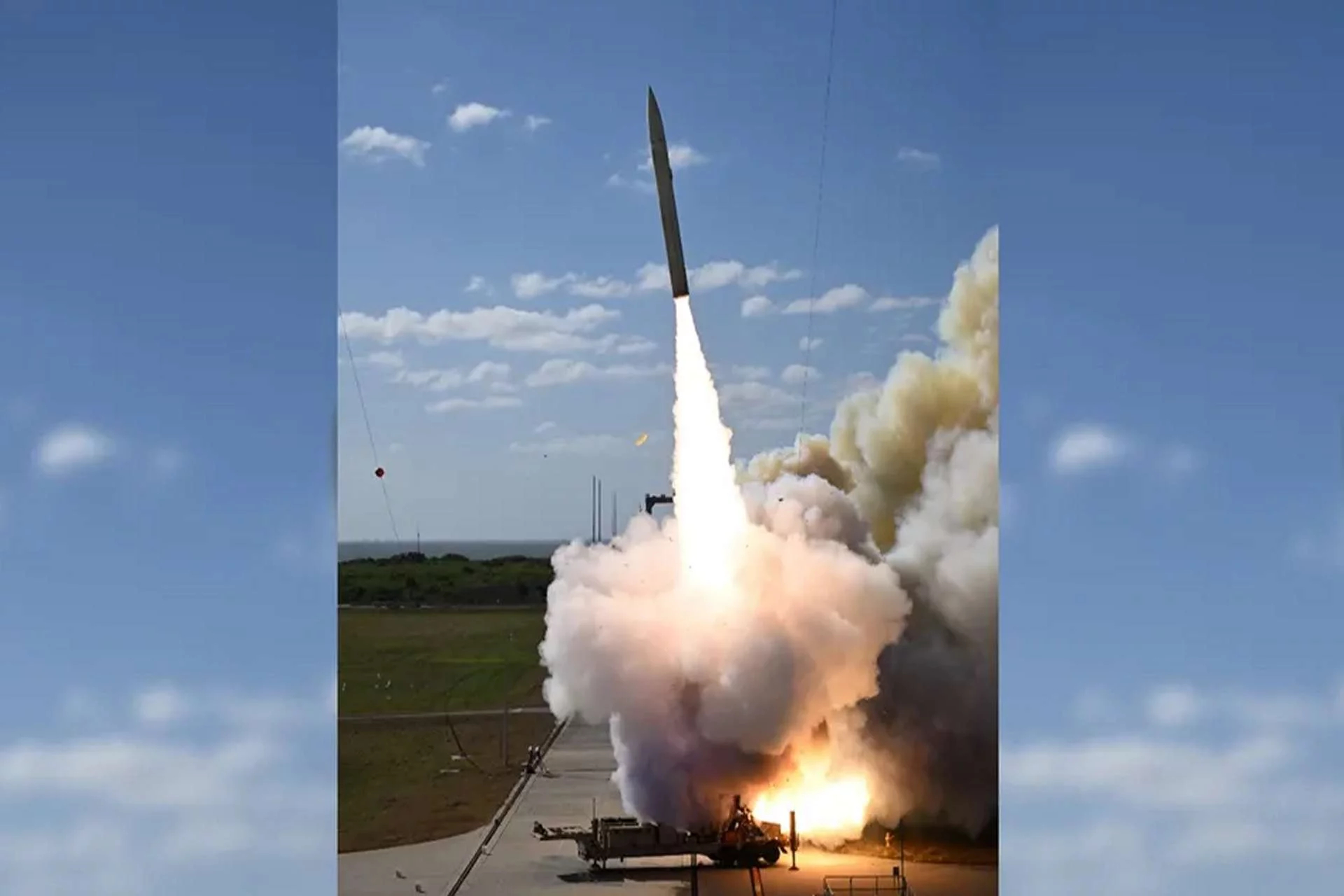
The UK Ministry of Defence announced a joint programme with Germany, Deep Precision Strike — a suite of cruise and hypersonic missiles with a range of over 2000 km. According to official information, this involves different types of munitions united by a single command-and-control system, with launches from land-based platforms in the first phase and options for air and maritime platforms in the future.
"The programme will allow the development of high-precision means to strike targets at distances that far exceed the capabilities of existing systems"
— UK Ministry of Defence
Technical context and timeline
Current Western tactical cruise missiles, such as the Storm Shadow and Taurus, have ranges of about 500 km. Moving to the class above 2000 km opens different operational possibilities: striking command posts, logistics hubs and critical infrastructure deep in the enemy rear. The planned horizon for intensifying work is the 2030s.
Technically, the programme combines criteria of stealth and supersonic speeds — the first for cruise missiles focused on precision, the second for hypersonic systems designed for the rapid engagement of moving or well-protected targets. In practice this requires a powerful system of reconnaissance, communications and target management.
NATO's position and potential consequences for Ukraine
At the alliance level the initiative is seen as a step toward greater European defence autonomy and strengthening deterrence on the eastern flank. For Ukraine this means two key things: first, an increased ability of partners to strike critical enemy targets at great depth; second, the possibility of technological cooperation and integration of knowledge into its own arms programmes.
At the same time, analysts note operational constraints: the effective employment of such weapons requires stable intelligence, data links and strict legal and tactical control procedures to avoid escalation. That is why the development of such systems is not only a question of missiles, but also of intelligence, cybersecurity and logistics.
What Ukraine should keep in mind
The combination of European development of long-range strike weapons and domestic investment should become part of a comprehensive security strategy. In 2025–2026 partners are taking concrete steps: the United Kingdom has ordered GBU‑53/B StormBreaker munitions for the F‑35, and Ukraine plans record defence spending — about 955 billion UAH in 2026. This signals that ensuring credible deterrence is moving from declarations into budgets and technical solutions.
Conclusion
Deep Precision Strike is not an instant marker of superiority, but a long-term investment in capabilities. For Ukraine the key question is whether these European and transatlantic ambitions can be turned into concrete opportunities for cooperation — training, intelligence sharing, joint supply chains that will accelerate our own capabilities. Whether partners are willing not only to develop the weapons but also to make them operationally available — that will determine the real effect on the country's security?