On the night of July 18, Ukrainian drones struck two logistics facilities in Russian territory — in Tambov and Moscow regions. Distance from the front line: over 500 and approximately 700 km respectively. President Zelenskyy confirmed the strikes on Telegram and framed them within a broader strategy — a "long-range sanctions plan."
What was burning
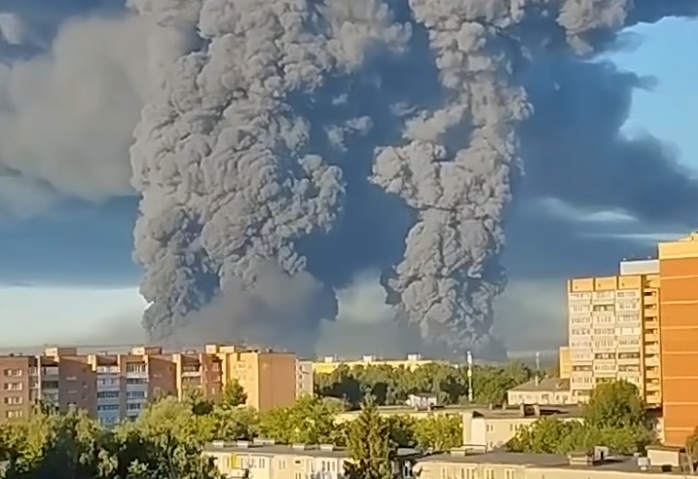
In Kotovsk (Tambov region, ~475 km from Moscow), a Wildberries & Russ logistics complex in the Kotovsk industrial park caught fire. The facility was launched in 2025. According to Kyiv Post citing open-source intelligence from ASTRA and Exilenova+ channels, the fire was confirmed through public sources. In Elektrostal (Moscow region, ~50 km from the capital), a second warehouse of the same company caught fire — according to Exilenova+, it is the second-largest by order processing volume logistics hub of Wildberries in Russia.
Separately, an oil depot in Noginsk (Moscow region): according to regional authorities, the fire erupted following a drone strike. A maternity hospital is located near the facility — it was evacuated.
Official logic of the strike
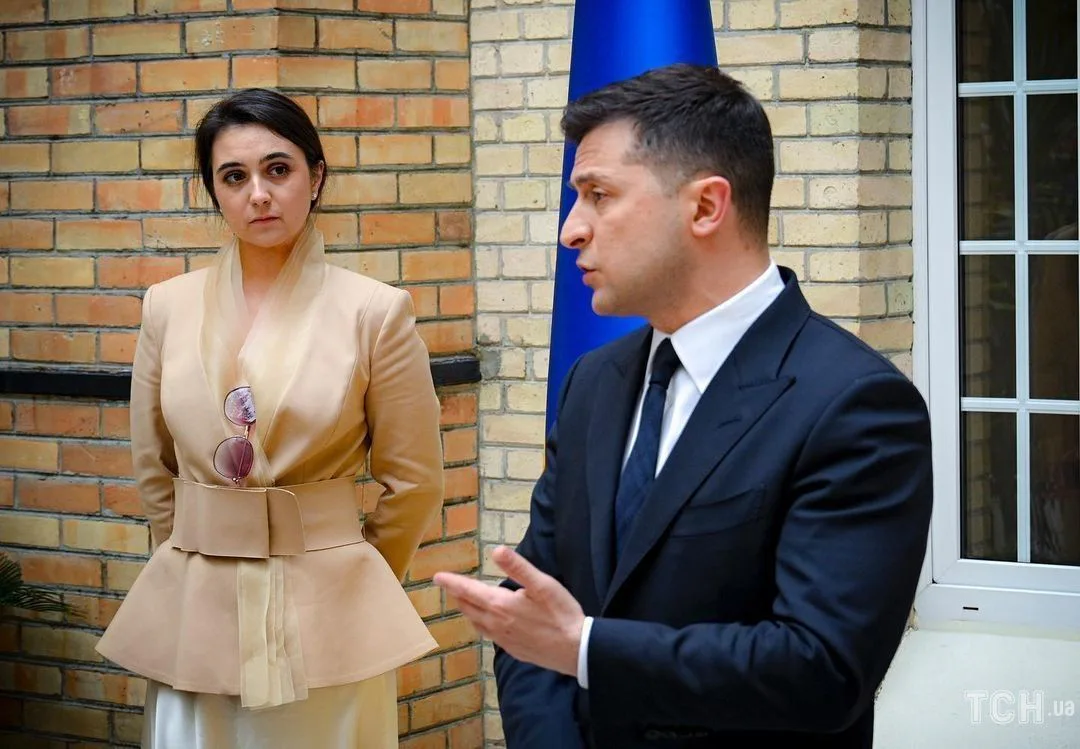
Zelenskyy wrote that both logistics facilities "were used by the aggressor to supply sanctioned components for the production of drones and navigation equipment." He also called the strikes a response to Russian attacks on Ukrainian civilian infrastructure.
"They were used by the aggressor to supply sanctioned components for the production of drones and navigation equipment"
President Zelenskyy on Telegram, July 18, 2026
Ukrainian publication Dialog.ua, citing its own sources, clarifies that the Wildberries sorting facility in Tambov region was used by the Russian army as a logistics hub. Independent verification of this claim is currently impossible — neither the ISW nor the General Staff of the Armed Forces of Ukraine have released detailed data regarding the specific cargo that passed through these warehouses.
Casualties and Moscow's reaction
Tambov region Governor Yevgeny Pervyshov confirmed the deaths of seven night shift workers in Kotovsk, with 24–25 more people injured. In Elektrostal, according to Moscow region Governor Andrey Vorobyov, 24 people were affected, several in critical condition. Official Moscow qualified the strike as a "terrorist act against peaceful civilians."
Wildberries & Russ confirmed the attack on both facilities and reported that the fire in Kotovsk was contained, while work continued in Elektrostal. The company announced it would not compensate for losses of goods stored in the warehouses.
Campaign context
The July 18 strike occurred exactly one month after the Armed Forces of Ukraine carried out the largest strike on Moscow at that time — on June 18, the Moscow oil refinery was hit, after which the enterprise halted processing for an indefinite period. Zelenskyy uses the same formula in both cases: "the long-range sanctions plan is being implemented."
Among nighttime targets, Leningrad region also figured — air raid alerts were announced there. Moscow Mayor Sergey Sobyanin reported over 370 drones directed toward the capital; 64 were shot down on approaches to the city.
If Ukraine can indeed documentary prove that Wildberries' civilian logistics network was used for the transit of sanctioned components — this would change the legal and reputational status of the strike. If not, Moscow obtains a ready-made narrative about "terrorist acts against civilian facilities," which is already being actively promoted. This very question — whether intelligence data will be disclosed — will determine how this strike is interpreted beyond Ukraine.