What happened
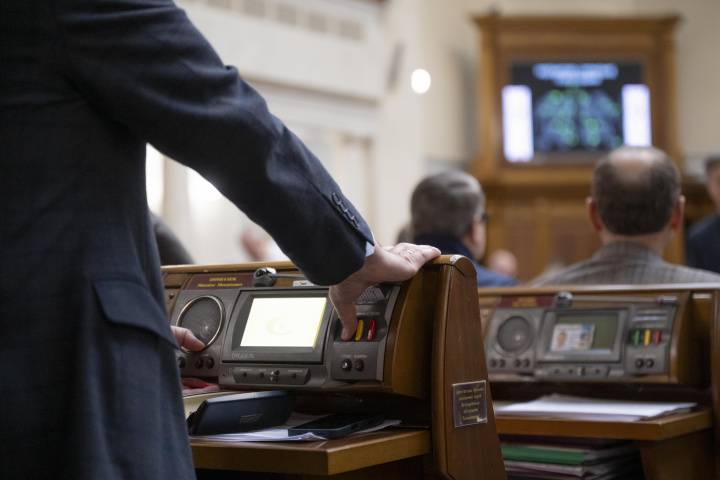
The Verkhovna Rada was unable to start its plenary session on 12 February due to a lack of votes: several attempts at signal voting produced no result, so the first deputy speaker of the parliament announced a recess. The proceedings were broadcast on the Rada channel.
"Consideration of the agenda items for today is finished. Thank you all for your unproductive work. I wish health to everyone who, for these reasons, could not arrive today — get well."
— Oleksandr Kornienko, first deputy speaker of the Verkhovna Rada
Possible causes
Ukrainska Pravda (UP), citing unnamed informed sources, and a number of Telegram channels reported a possible mass food poisoning, allegedly in the parliament canteen. MP Yaroslav Zheleznyak confirms part of the reports about people falling ill, but notes that the number of cases is small and many deputies were on trips.
"They say it's some virus or poisoning. It's not clear yet. I don't think it's the canteen — few MPs go there. Very different people got sick. It's hard to understand what unites them, what the common source of the illness is."
— Oleksandr Merezhko, head of the Verkhovna Rada committee on foreign policy and interparliamentary cooperation
What this means for the parliament's work and security
These questions are more important than they may seem at first glance. In wartime, even one day of unproductive sessions can delay ratifications, budget decisions, or steps related to support for the military and partners. According to Zheleznyak, the day's agenda mostly consisted of ratifications, so the shortfall of votes was predictable.
Context: the day before, on 11 February, the Rada raised the maximum age for civil servants by five years, adopted a one-year deferment for some contract servicemen, and established a nationwide minute of silence at 09:00. The next plenary week will begin on 24 February.
Brief conclusion
While checks into the causes of the illnesses continue, the parliament needs to ensure both technical and organizational resilience: from quorum management to medical procedures in the building. Political and medical sources are continuing to investigate the circumstances.
This is a test of institutional reliability under increased strain. The practical steps taken by the parliament's leadership and factions — regarding registration of MPs, logistics, and health protection — will determine how quickly critically important decisions are made in the coming weeks.





