In brief: what happened
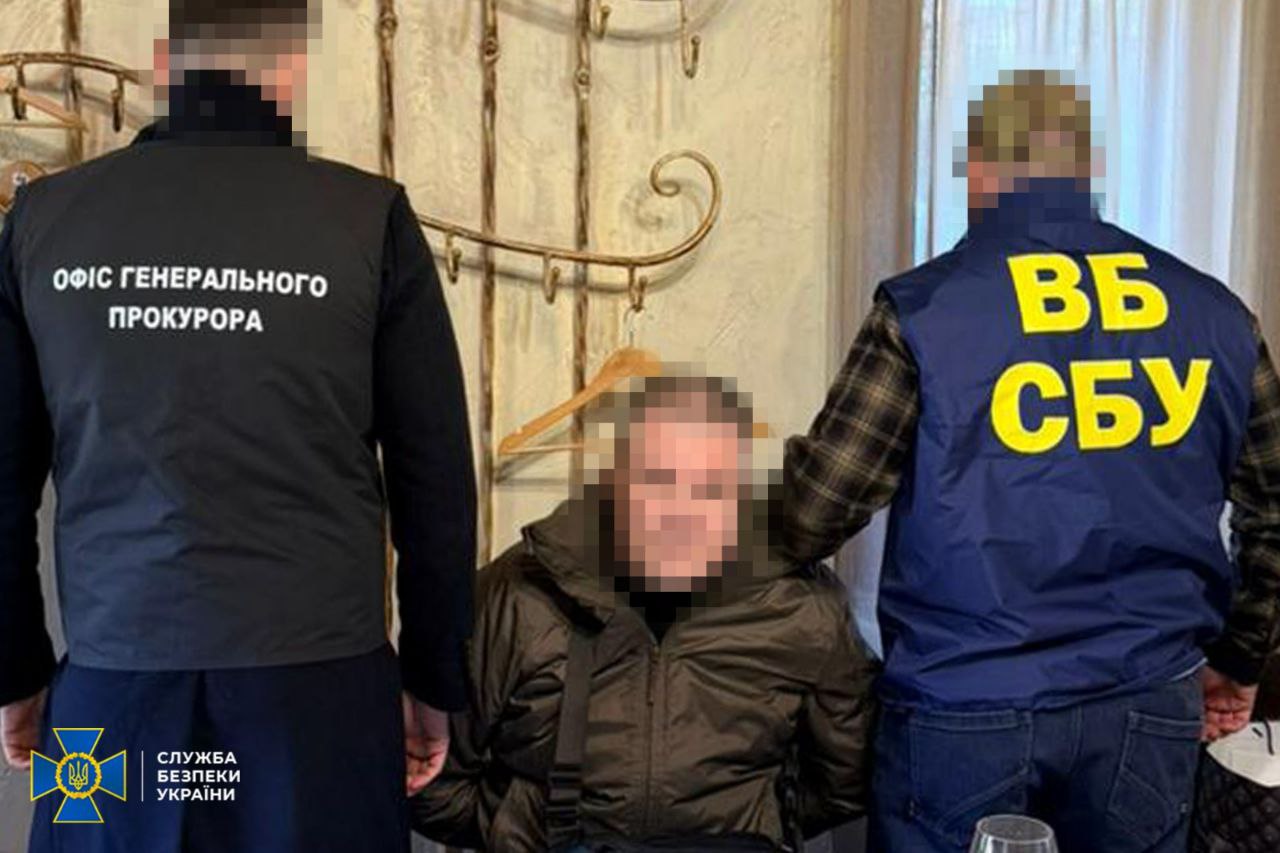
The Internal Security Department of the Security Service of Ukraine, together with the Office of the Prosecutor General, detained two senior officials of regional directorates and a civilian intermediary — on suspicion of extorting a bribe from the head of a monopolist company in the amber business. According to investigators, the demand was for $620,000, part of which was seized during the arrest.
Case details
According to the security service, the detention took place "in the act" during the handover of more than $270,000. During searches, smartphones and other physical evidence were seized, which, the investigation says, confirm the illegal scheme.
The Office of the Prosecutor General clarified that among those detained are the deputy head of the SBU Main Directorate in Kyiv and Kyiv Oblast, the deputy head of the SBU Department in Rivne Oblast, and a civilian intermediary. The question of bringing charges under the article on acceptance of an offer, promise, or receipt of an undue advantage by an official is currently being resolved.
"Detained during the transfer of more than $270,000; smartphones with evidence of illegal activity seized"
— SBU press service / Office of the Prosecutor General
Context: this is not an isolated case
This is the second high-profile case within a month. On February 25, law enforcement detained the Air Force logistics commander (Colonel Ukrainets) and the head of the regional SBU (Kompanichenko) during an attempt to hand over a bribe of $320,000. On February 26 both were notified of suspicions; on February 27 they were placed under arrest with the possibility of bail.
Why it matters
Corruption risks within law enforcement and defense structures are not only a criminal issue. They undermine citizens’ trust, demotivate personnel, and create reputational risks before partners who support Ukraine financially and technically. Experts note that public exposures must be combined with systemic control and prevention measures so they do not turn into cyclical "firefighting."
What’s next
The next steps are formalizing charges, court procedures, and inspections of the SBU leadership. It is important that the investigation be transparent and substantive: society and international partners expect not only arrests but also changes in procedures, oversight, and accountability.
In essence, the case raises a question broader than the criminal one: can the system of self-cleansing become a sustained practice rather than a series of isolated exposés? The answer will affect not only the agency’s reputation but also the effectiveness of state security as a whole.





