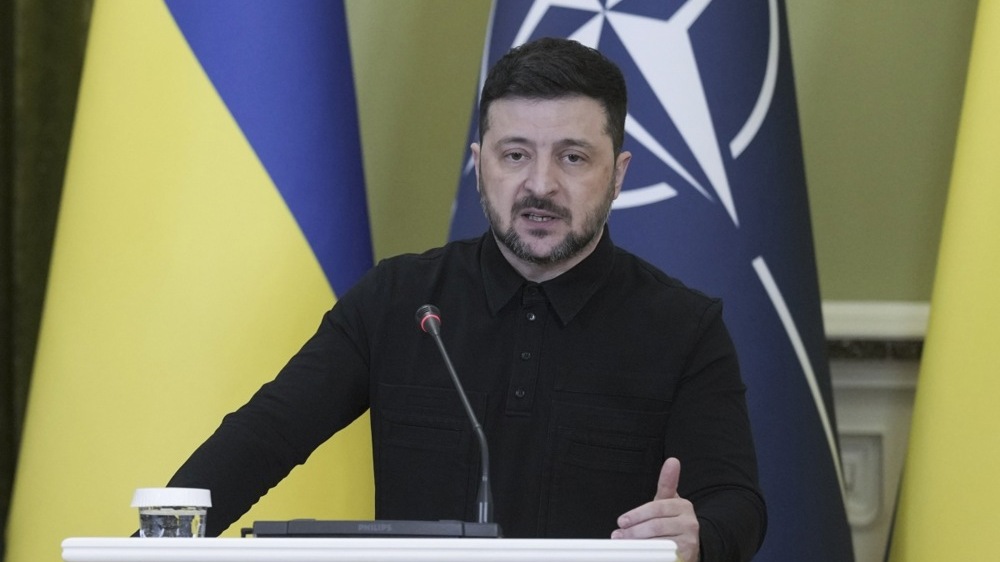
In high diplomacy, quiet agreements matter more than loud statements
President Volodymyr Zelensky explained that holding new talks in a trilateral format (Ukraine–Russia–U.S.) is complicated by Moscow's and Washington's positions on locations and security. This is not rhetoric — it is a practical obstacle that pushes back the limits of possible agreements and affects guarantees for Ukraine.
Why the talks are delayed
According to LIGA.net and Zelensky’s comments in the telemarathon, the main reasons for the delay are: first, because of the escalation in the Middle East the American side is cautious about traveling abroad due to security concerns. Second, Russia is willing to meet in Turkey or Europe but insists on not holding meetings in the U.S. Taken together, this gives the impression that Ukraine is forced to act as a diplomatic platform and coordinator, rather than an interested party setting the terms.
"We speak with the American side every day. Our negotiation team talks with their counterparts. But nevertheless, we have this difficulty... the feeling is that we are mediators in this process, not a party to the war."
— Volodymyr Zelensky, President of Ukraine
Positions of the parties: briefly
U.S.: because of the risks related to the conflict in the Middle East, the U.S. is limiting travel by its representatives, complicating a format where a key party would have to travel to a neutral location.
Russia: ready to take part in meetings "anywhere, but just not in America," according to the president, which imposes additional geographic conditions.
Ukraine: officially ready to meet anywhere — in Europe (Turkey, Switzerland) or in the Middle East — and insists on a trilateral format for the sake of comprehensive agreements.
"Well, obviously: the more events there are in the world, the harder it is for us."
— Kyrylo Budanov, head of the Office of the President (member of the Ukrainian negotiating delegation)
Facts worth remembering
The most recent meetings known publicly took place March 21–22 in the U.S. with Ukrainian and American participants, but without Russian representatives. On March 24 President Zelensky noted that, because of Russia's position, there has been no substantial progress toward ending the war. Analysts also point out that partners' attention can shift because of new international crises, which reduces the operational chances for agreements.
What partners are saying
As Ukrinform and the media report, U.S. politicians publicly voice different approaches to security guarantees. For example, U.S. Senator Marco Rubio has stressed in discussions that guarantees can be the subject of agreement after hostilities end, and he denies claims that the U.S. is demanding Ukrainian concessions in Donbas in exchange for guarantees. This discussion was also covered in detail by Axios during G7-level talks.
Consequences for Ukraine
In short: the delay in talks means that questions of guarantees and political settlement are postponed, and therefore uncertainty is prolonged. At the same time there is an opportunity: if Kyiv maintains unity with Western partners and develops realistic format solutions (for example, talks in neutral Europe or Turkey), this can keep the negotiation process viable.
Conclusion
Ukraine is taking steps to make meetings happen — the position is clear: be ready to meet anywhere. But the decision depends on the balance of security risks and the political will of partners. Now it's up to them: whether they will turn statements into concrete steps and security mechanisms — the key question for the future negotiation process and for every Ukrainian.
Sources: the president's interview in the telemarathon, LIGA.net, Ukrinform, Axios reports.





