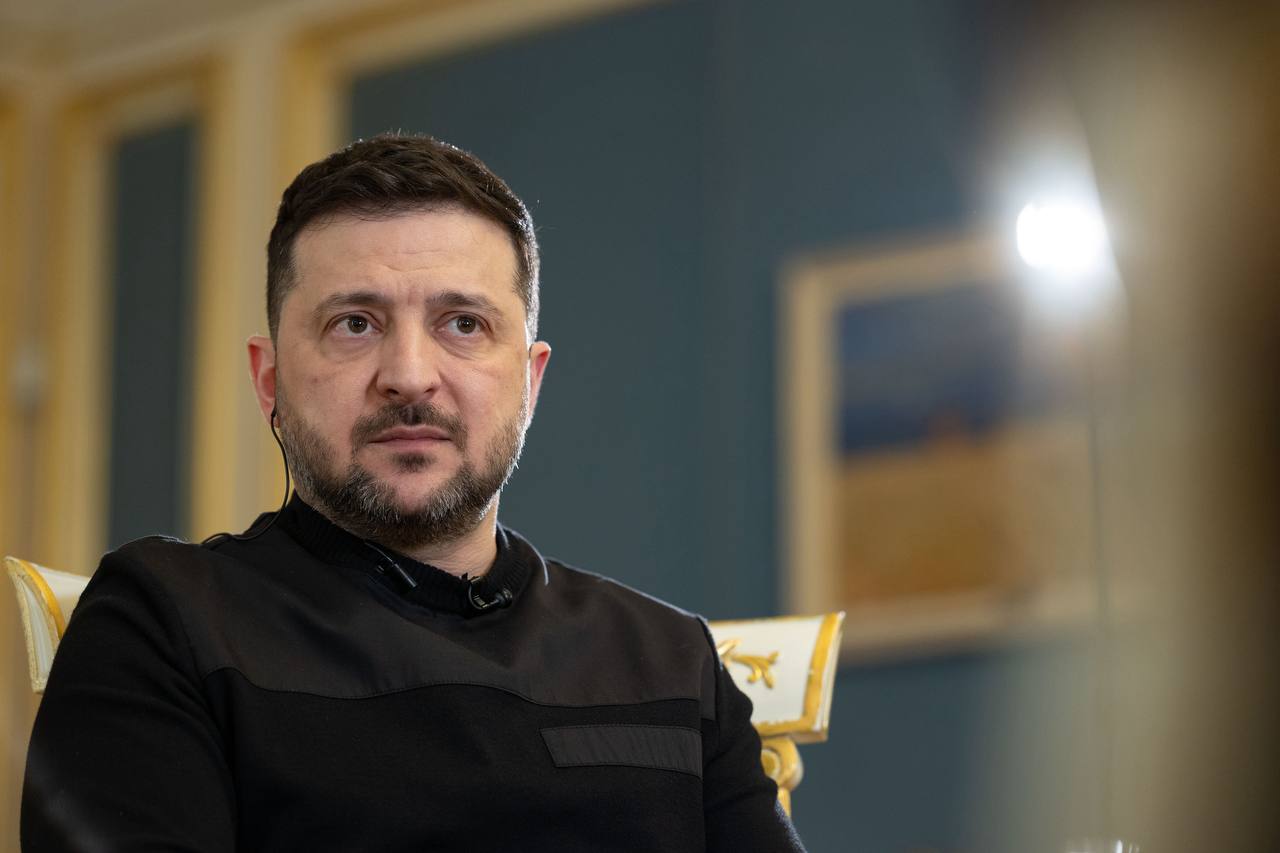
Volodymyr Zelensky rejected the notion that the peace process has stalled. During a briefing at the Office of the President he said: "I do not believe we are at an impasse" — and explained why.
The American delegation is currently not leaving the United States due to the escalation of the situation in the Middle East. Washington proposed holding the next trilateral meeting on its territory. Russia refused and put forward alternative venues — Turkey or Switzerland. Exactly where the meeting will take place has not yet been agreed.
"Now the ball is on the side of the U.S. and Russia. I am very grateful to America for continuing this format," Zelensky said, adding that he hopes for a new meeting within the next few weeks.
At the same time, the president made a statement about the state of the armed forces: in his words, Ukrainian forces are stronger today than six months ago. He made this claim without providing details on specific indicators — personnel numbers, weaponry, or front-line positions.
The practical dilemma here is obvious: negotiations are taking place in a format where Ukraine agrees to the venue but does not choose it — that is the prerogative of the two other parties. Kyiv is waiting for Moscow and Washington to agree among themselves on the table at which Ukraine will also sit.
If Russia indeed chooses Turkey or Switzerland and the meeting takes place — it will become clear whether the "troika" format is capable of producing any concrete, recorded outcome, and not just the fact of the meeting itself.





