Context: why this matters now
After the jump in oil prices amid the US-Israeli operation against Iran, there is a real temptation for Russia to increase export revenues. However, as the president noted, this does not mean such exports will go unanswered. For Ukraine and its partners the issue is not only economic but also a security one: who controls the routes, who insures the cargo, and whether sanctions are effective.
What the president said
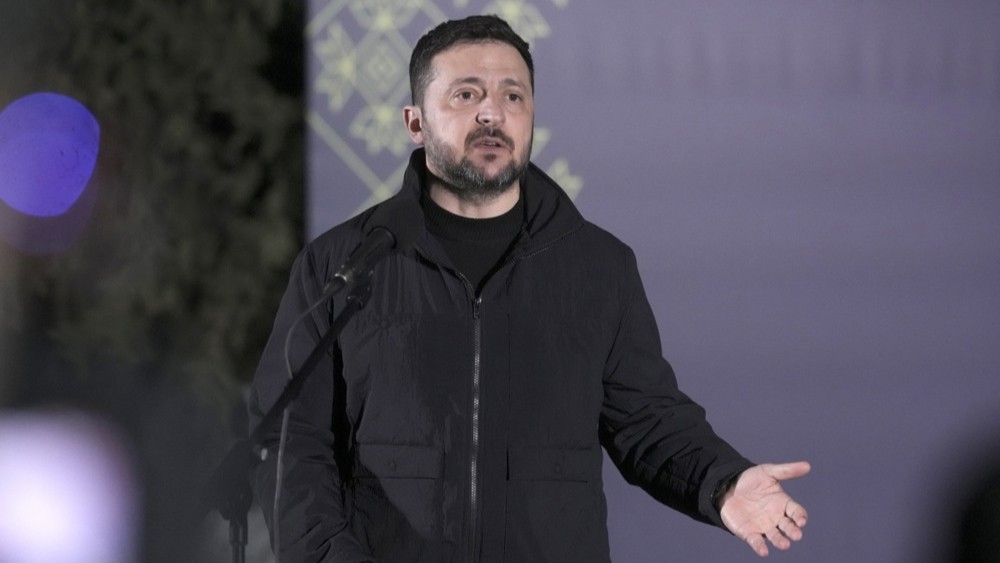
"It [Russia] wants to earn more amid this crisis and will certainly try to take advantage of the price increase. But there are various measures that can reduce their export capabilities."
— Volodymyr Zelensky, President of Ukraine
"Not all, of course — it's very difficult to do — but with most tankers it is possible to work this way. This is probably the only option at the moment."
— Volodymyr Zelensky, President of Ukraine
Pressure tools: from strikes to ship arrests
The president named two key channels of influence: Ukrainian long-range strikes, which reduce logistical capabilities, and partners' actions to detain tankers and impose sanctions. This combination of tactical and legal measures is exactly what can keep volumes of illegal exports under control.
According to media and diplomatic sources, among the instruments are ship arrests, financial sanctions against owners and operators, blocking shipments by refusing insurance and port access. Examples in the field include recent actions by European countries:
- On 17 February France released a "shadow" tanker after three weeks of detention and the payment of a multimillion fine.
- On 1 March Belgium for the first time detained an oil tanker linked to the shadow fleet.
Analysts and diplomats note that such practices are expanding: this work is being carried out not only at the level of sanctions, but also through the practical blocking of logistics and shipping.
Authoritative signals from abroad
According to LIGA.net, US Ambassador to NATO Matthew Vitaker said that countering the "shadow fleet" combined with long-range capabilities affects Russian exports. Separately, Washington officials also spoke about intentions to mitigate the impact on global energy prices — that is, to combine strategic pressure with measures to stabilize the market.
What this means for Ukraine and the world
First, rising prices do not make shadow exports invulnerable: international coordination provides instruments of influence. Second, success depends on partners' readiness to provide political and legal support — from investigations into shipowners to sanctions against insurers and shipping companies.
Ukraine adds a tactical element to this system — with its strikes and intelligence — but without transforming declarations into concrete control mechanisms at ports, banks and insurers the pressure will be incomplete.
Summary
The situation shows that oil prices and the fight against illegal exports are connected but not identical. The question is one of political will and coordination: will there be enough to systematically limit Russia's revenues from the "shadow fleet" and minimize the hit to the global energy market?





