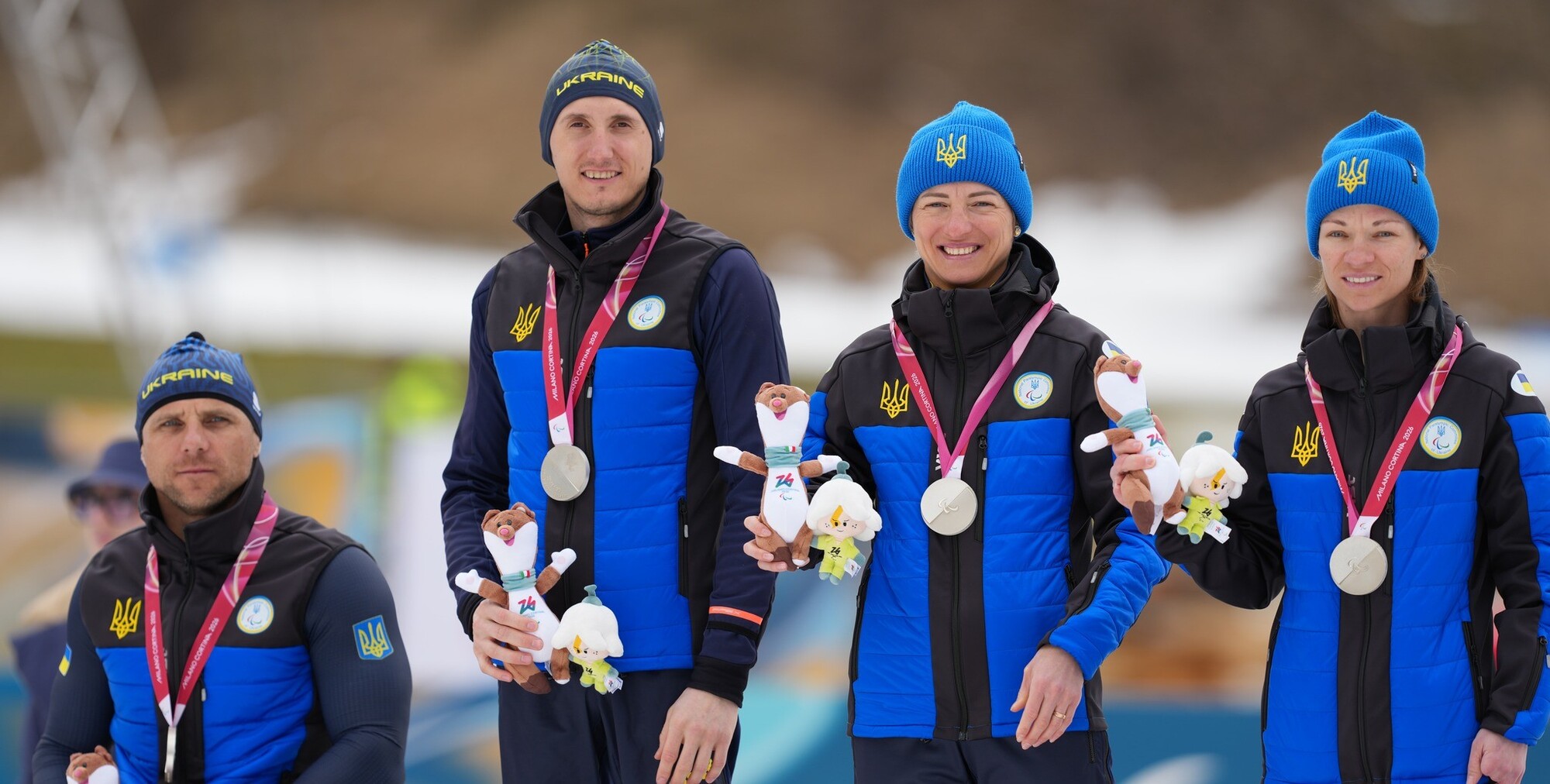
A Clear Signal Instead of Attendance
The National Paralympic Committee of Ukraine (according to Suspilne) announced that the team will collectively boycott the closing ceremony of the 2026 Winter Paralympic Games, which will take place on March 15 at 21:30 Kyiv time. The decision is motivated by the fact that delegations from Russia and Belarus, allowed to participate under their national flags, will be present at the ceremony.
Why This Matters
This is not merely an emotional gesture. Allowing athletes from states that are waging a full-scale war against Ukraine is perceived as a step toward normalization — and it is precisely this that the Ukrainian stance opposes. The decision of the International Paralympic Committee (IPC) has sparked a number of scandals: as early as February 18 it became known that certain Russian and Belarusian athletes were admitted under their own flags, and on March 2 the IPC banned the Ukrainian team from entering competitions in parade uniforms bearing the map, calling it "political" (a decision that was critically commented on by the foreign minister). On March 11 Ukraine publicly condemned the discrimination against its team and fans.
The Team's Position and the Athlete's Voice
At the closing ceremony the Ukrainian team intends not to be present, although some formalities will be finally confirmed at the team's general meeting. Ukrainian Paralympian Hryhoriy Vovchynskyi described the emotion and logic of the protest as follows:
"We haven't yet discussed the closing ceremony, but I think our position is 100% clear, because the International Paralympic Committee... There are no words to describe what has happened here. How can these countries that continue the war in Ukraine still be here?"
— Hryhoriy Vovchynskyi, Paralympian
Context and Consequences
The social and diplomatic effect of this step is significant. Refusing to participate in the ceremony is a way to draw the attention of the media, partners, and the sporting community to issues of justice and security. Social proof in the form of support is noticeable: Ukraine was also not represented at the opening — additionally about 15 countries ignored the opening ceremony. On the sporting front the "blue-and-yellows" have already won 18 medals (3 — gold) and occupy seventh place in the medal standings; China leads (42 medals, 18 gold).
What Next?
The boycott of the closing ceremony is a signal to the IPC and the international community: declarations about inclusion must be paired with a clear stance on aggression and human rights. Now the question is up to organizers and partners: will international sport be seduced by procedural neutrality over principles, or will responsibility prevail?





