Quiet agreements that could affect lives
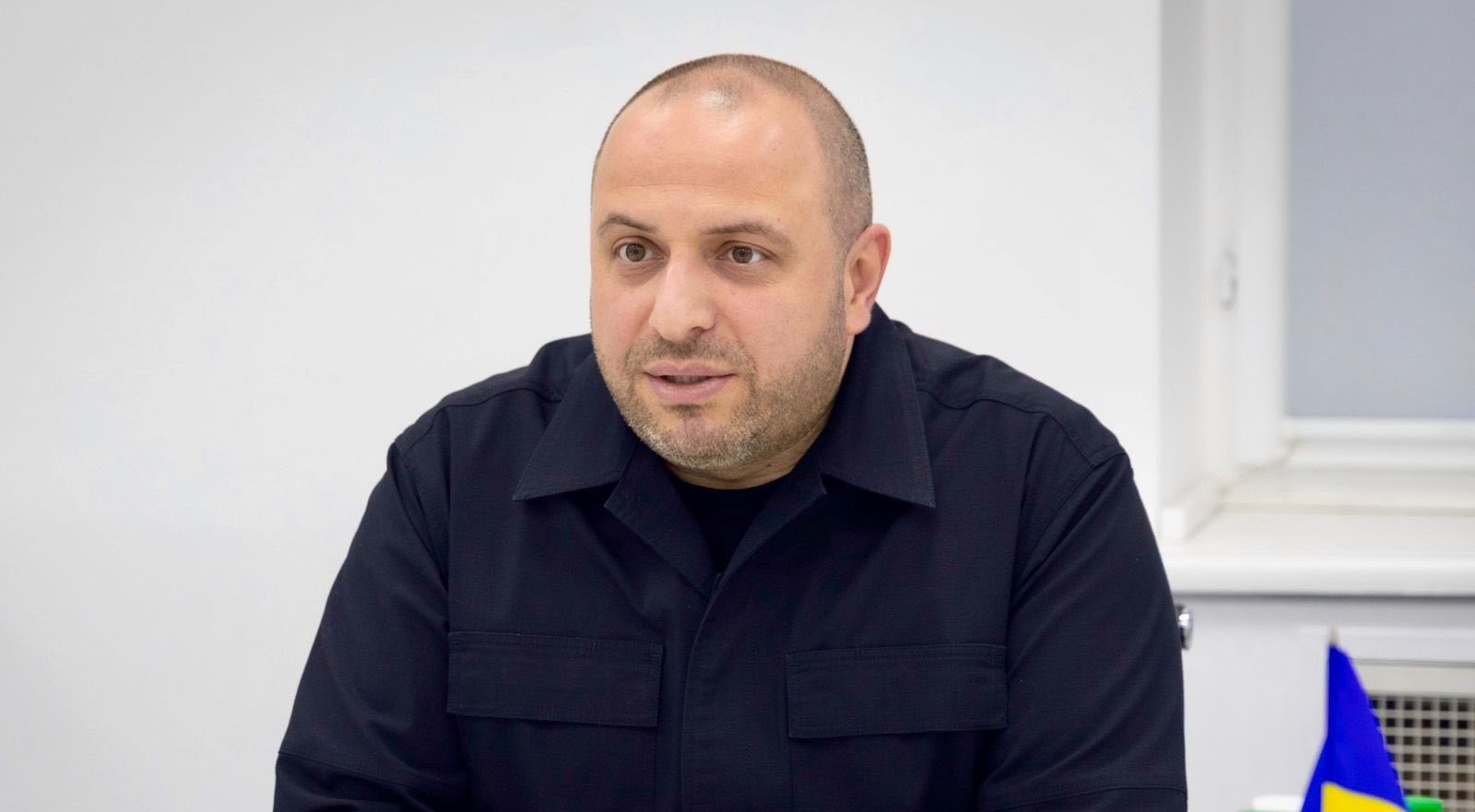
On 26 February, a bilateral round of talks between the delegations of Ukraine and the United States began in Geneva. The focus is economic issues: mechanisms of financial support, tools for attracting investment and long-term cooperation. The head of the Ukrainian delegation is the Secretary of the National Security and Defense Council, Rustem Umerov; on the U.S. side, special envoy Steve Witkoff and Jared Kushner are involved.
What they say openly
The Ukrainian team includes representatives of the economic bloc: Oleksii Sobolev and Daryna Marchak, as well as a political component — faction leader Davyd Arakhamia. The goal of the talks is simply formulated: to formalize a prosperity package — a set of instruments for recovery, investment and long-term cooperation.
"Together with the Government's economic team we will work through the prosperity package in detail: mechanisms of economic support and Ukraine's recovery, tools for attracting investment and long-term cooperation"
— Rustem Umerov, Secretary of the National Security and Defense Council of Ukraine
Why this matters to you
This is not just diplomatic signaling. If the agreements are turned into concrete mechanisms and projects — we are talking about money, jobs, infrastructure reconstruction and stabilization of public finances. Economic support during the war is also a marker of partners' trust, which stimulates private investment.
At the same time, a humanitarian block and the issue of possible exchanges are being discussed — a real area where decisions in Geneva can produce practical results for the return of our citizens.
"An important block is the humanitarian track and the issue of possible exchanges. We expect concrete results regarding the return of our citizens. We are working on practical solutions. We will report on the outcomes after the meeting concludes"
— Rustem Umerov, head of the Ukrainian delegation
Context and signals from partners
This round follows President Zelensky's announcement on 25 February about the Geneva meeting and comes ahead of planned tripartite talks involving Russia — so synchronization of Kyiv's and Washington's positions has strategic significance. The U.S. side had given prior signals: in an interview on 21 February special envoy Steve Witkoff spoke of possible "good news" in the negotiation process in the coming weeks.
Analysts note: the most valuable part of such meetings is not the loud statements, but the mechanisms under which funding and agreements will be signed. For citizens, this means it is important now to monitor whether the agreements will be converted into legally formalized contracts and clear planned decisions.
What comes next
Today's negotiations are a stage of preparation for a broader dialogue. Now it's up to the partners: will the sides be able to turn words into concrete financing instruments and agreements on the humanitarian block? This will determine not only Kyiv's strategic position but also the speed of recovery that every Ukrainian will feel.





