What happened
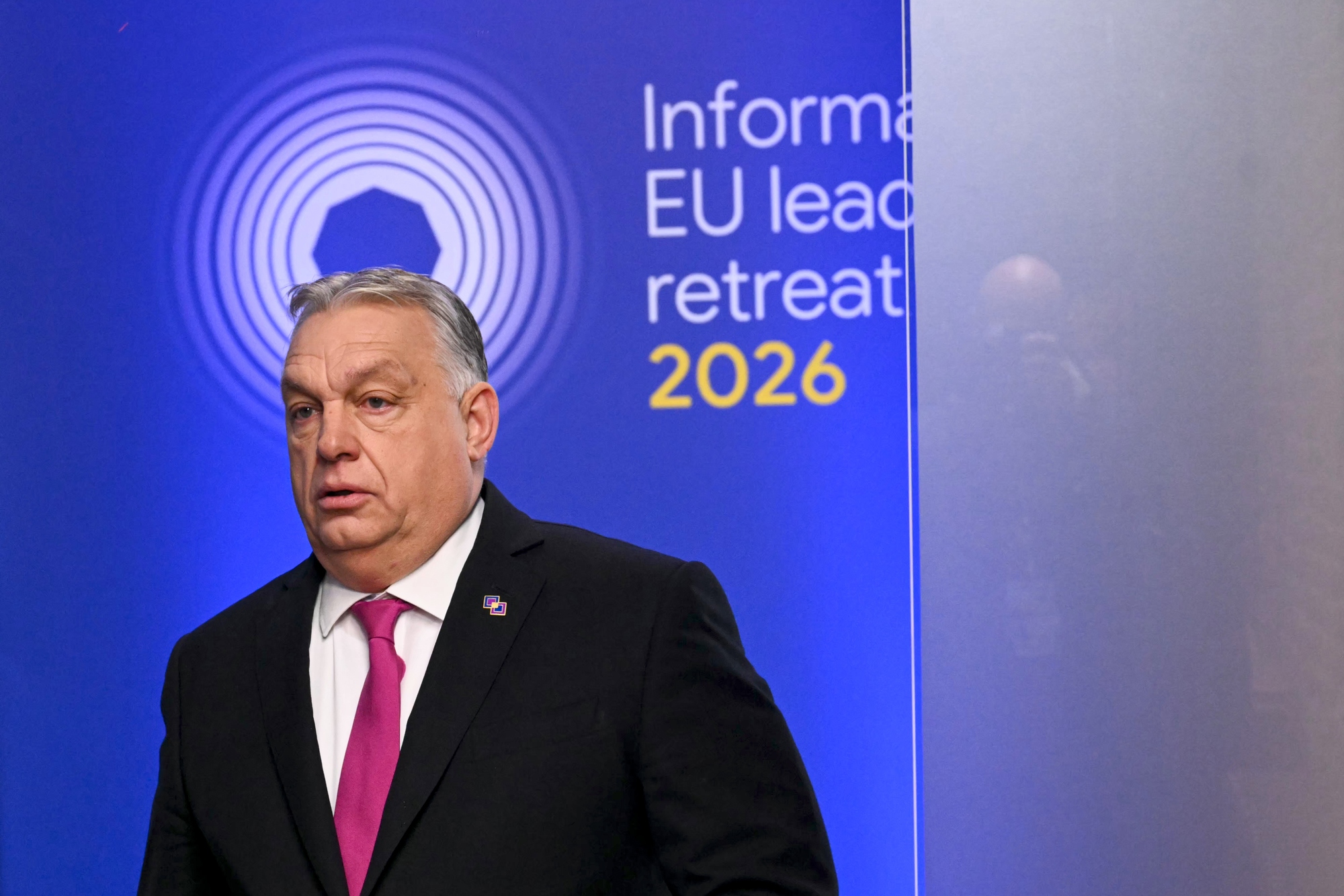
According to Reuters, Hungary's prime minister Viktor Orbán, in a letter to European Council President António Costa, proposed creating a "fact-finding mission" to verify the damage to the "Druzhba" pipeline in Ukraine. In the letter Orbán also suggested that such an initiative could help unlock new European funding for Ukraine.
"Hungary supports the idea of creating a fact-finding mission with the participation of experts delegated by Hungary and Slovakia to verify the condition of the 'Druzhba' pipeline."
— Viktor Orbán, prime minister of Hungary
In addition to the letter to the EU, Orbán published an open letter to President Volodymyr Zelenskyy in which he leveled accusations of purported election interference and called for the restoration of supplies via "Druzhba".
Why it matters for Ukraine
On the surface — a technical proposal to determine the causes and consequences of the damage. But in diplomacy, technical missions often become mechanisms of political influence. Orbán now has a lever he can use to pressure the EU's decisions on loans and aid to Kyiv.
Context and risks
On 18 February the EU emphasized the need to repair "Druzhba" and was monitoring the timelines for restoration. On the same day Hungary and Slovakia suspended diesel exports to Ukraine; Budapest also blocked a $90 billion loan package for Ukraine. EU leaders expressed support for Kyiv, and European Council President António Costa told Orbán he was breaching the principle of fair cooperation.
Diplomatic circles and analysts warn: if the EU agrees to an inspection, the mandate, criteria for selecting experts and the procedure for drawing conclusions must be clearly specified — otherwise the technical mission risks becoming an instrument of political bargaining.
Possible scenarios
1) The EU rejects the initiative as politically motivated — in which case Hungary's funding blockade could intensify.
2) The EU agrees to a mission on the condition of a clear mandate and the participation of neutral international experts — the technical investigation will take place, but it may become part of further negotiations over financing.
3) Kyiv and its partners propose their own transparent verification mechanism involving Ukrainian and independent experts — a compromise that reduces the risk of politicization and preserves the sovereignty of the process.
What Kyiv should do
The response should be proactive and technically substantiated: propose a transparent verification procedure with international, neutral experts; insist on the parallel unblocking of critical funding through EU mechanisms; and do not allow an infrastructure issue to be turned into a condition for political blackmail.
Conclusion
Orbán's initiative is at once an offer and a lever. It is important that the EU and Ukraine consider the matter through the lenses of security, transparency and sovereignty, not situational political gain. How the mandate and the composition of the expert team are formed will determine whether the initiative becomes a useful technical step or another instrument of pressure.





