Briefly about the event
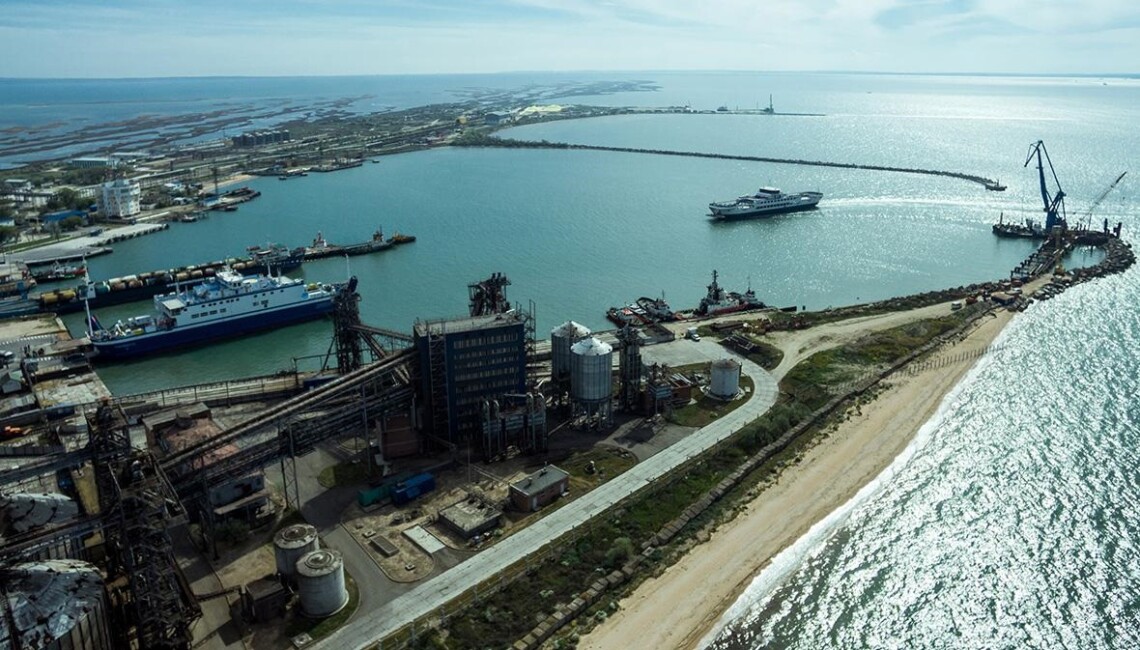
The General Staff of the Armed Forces of Ukraine reported night strikes on a number of critical facilities in Russia: the Maykop airfield (Republic of Adygea), the Afipsky oil refinery (Krasnodar Krai), the Kavkaz port in the Chushka area, and the Kremniy El plant in Bryansk. The General Staff's report includes details on the scale of the damage and a forecast for a halt in production.
What was damaged
"Kremniy El", Bryansk: The main production building, where integrated circuits for ballistic, cruise and surface-to-air missiles were manufactured, was hit. A fire broke out over approximately 1,000 square meters, and the roof was destroyed. Warehouse facilities storing components (about 400 m²) were also damaged. According to preliminary estimates, production at the enterprise is suspended for about six months.
Afipsky refinery, Krasnodar Krai: A hit and fire were recorded on the night of March 14. The refinery processes about 6.25 million tonnes of oil per year — roughly 2.1% of Russia's total refining capacity. The refinery and the Kavkaz port are involved in the logistics and supply of fuel for Russian forces.
Kavkaz port (Chushka): Infrastructure was damaged, affecting the ability to receive and dispatch cargo, including fuel and military materiel.
"Striking critical facilities halts the production of components for missiles and complicates the enemy's logistics — these are not random targets, but a consistent effort to reduce their combat capability"
— Representative of the General Staff of the Armed Forces of Ukraine
Why this matters
Hitting chip production and component warehouses directly strikes the production chain of Russian missile programs. A strike on the refinery and the port reduces fuel availability to the front and complicates operational logistics. Together these actions have not only a tactical but also an operational-strategic effect: restoring production and infrastructure requires time, resources and secure logistics — all things Russia currently lacks.
Context: previous strikes and confirmations
This is not an isolated episode. Satellite imagery and open-source analyst reports have recorded damage to Russian industrial and missile capabilities: on February 26, satellite images showed damage to a workshop at a rocket factory in Udmurtia, and on March 7 — strikes by ATACMS tactical ballistic missiles and SCALP cruise missiles near Donetsk airport. A series of such strikes indicates a systematic effort to weaken the enemy's key logistical and production hubs.
What next?
The effect of these strikes depends on the enemy's ability to quickly switch production and logistics to reserves. If recovery takes months, this will create a measurable shortage of components and fuel — a direct impact on their operational activity. However, Russia has broad resources and the ability to relocate production, so the key question is how costly and time-consuming that will be for them.
Now the ball is in the partners' court: combining our precision strikes with international pressure on supply chains can turn a temporary tactical advantage into a sustained weakening of the enemy's combat capability. Whether this will be enough is a question for the coming weeks.





