Briefly
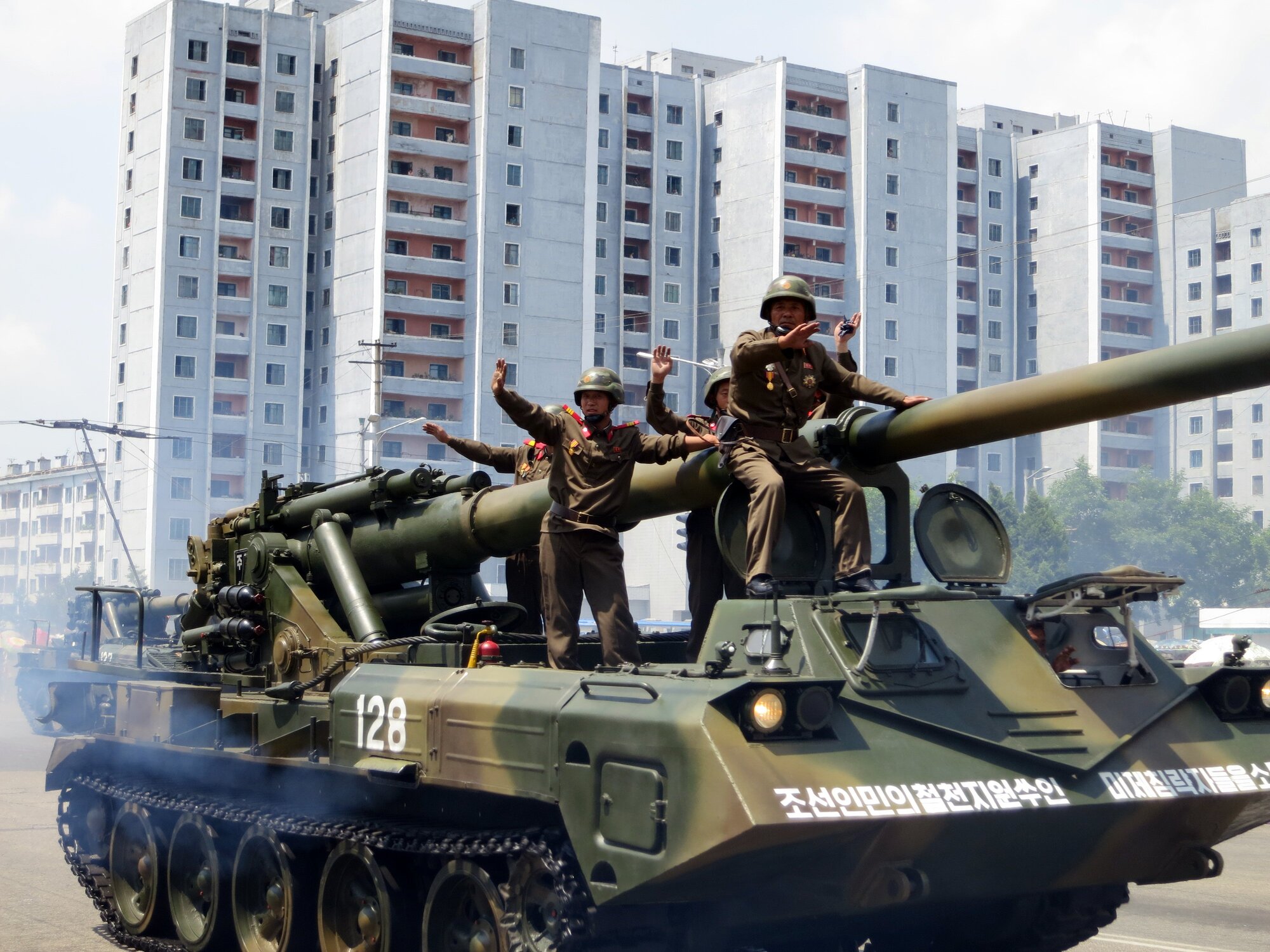
Operators of the Unmanned Systems Forces of the Armed Forces of Ukraine, together with UAV pilots of the 429th "Achilles" Brigade, detected and struck a North Korean self-propelled artillery unit M-1978 Koksan that was firing in the direction of Kupiansk (Kharkiv region). After refining the coordinates, three strikes were carried out on the Koksan — the target was put out of action.
What exactly happened
The self-propelled gun was spotted in Luhansk region with a fresh thermal signature from recent firing. After identification and tracking, the drone pilots carried out three accurate strikes. According to the military, this system was supplied to Russia as external assistance to compensate for losses of its own artillery.
"The target was identified, the coordinates were refined — the joint work of the Unmanned Systems Forces and the operators of the 429th Brigade made it possible to eliminate it quickly."
— Representative of the Unmanned Systems Forces of the Armed Forces of Ukraine
Why this matters
First, the Koksan is not a common model on today’s battlefield, so its loss hits specific enemy stockpiles and supply chains. Second, the operation demonstrates the effectiveness of coordinating reconnaissance and strike UAVs — a skill set that materially reduces the enemy's ability to conduct long-range fire.
Koksan: quick technical overview
M-1978 Koksan is a North Korean 170 mm self-propelled artillery system developed in the 1970s. It is designed for ultra-long-range fire: about 40 km with standard shells and up to 50–60 km with rocket-assisted projectiles. The system is mounted on a tracked chassis, has an open gun mount and a limited ammunition load, so it requires additional supply vehicles.
Context and implications
This is not the first Koksan to be struck: Ukrainian drones already targeted such systems in 2025. Analysts note that losses of this type of equipment indicate not only tactical successes but also problems in the enemy's logistics and the security of their supply chains.
For the reader, this matters: every long-range artillery platform put out of action reduces the threat to populated areas and rear supply routes. Such results are not accidental but reflect systematic work by intelligence, unmanned operations, and rapid engagement of detected targets.
What's next
In the short term — increased focus on countering rerouted arms shipments and a greater role for UAVs in reconnaissance and in striking long-range systems. Successful outcomes at the front depend on how quickly these tactics become standard operating procedures.
Questions for partners and experts: is there sufficient international oversight and attention on the supply channels that allow the enemy to replenish its stock of rare artillery? This is more than a tactical story — it is a piece of the larger security picture at the front.





