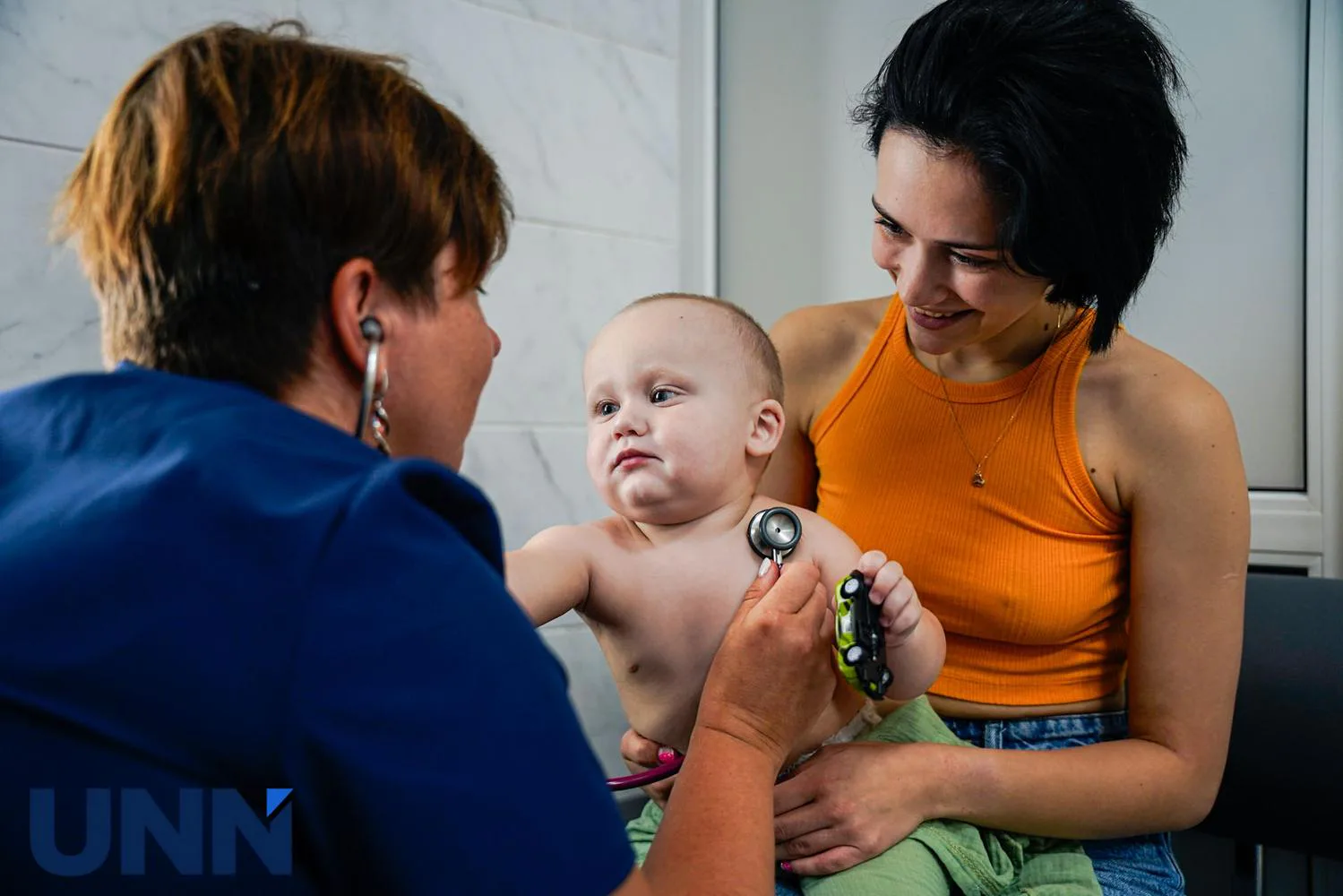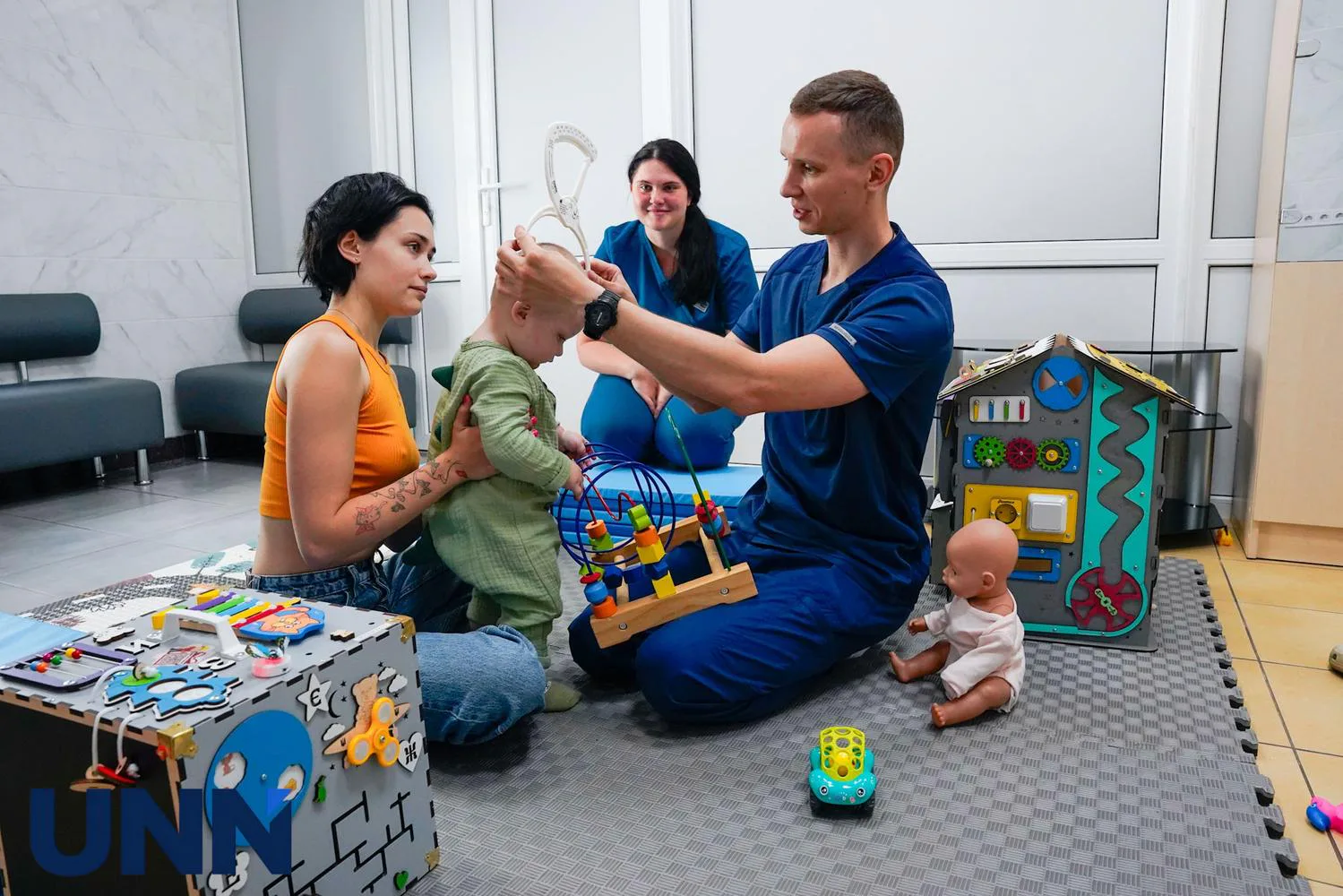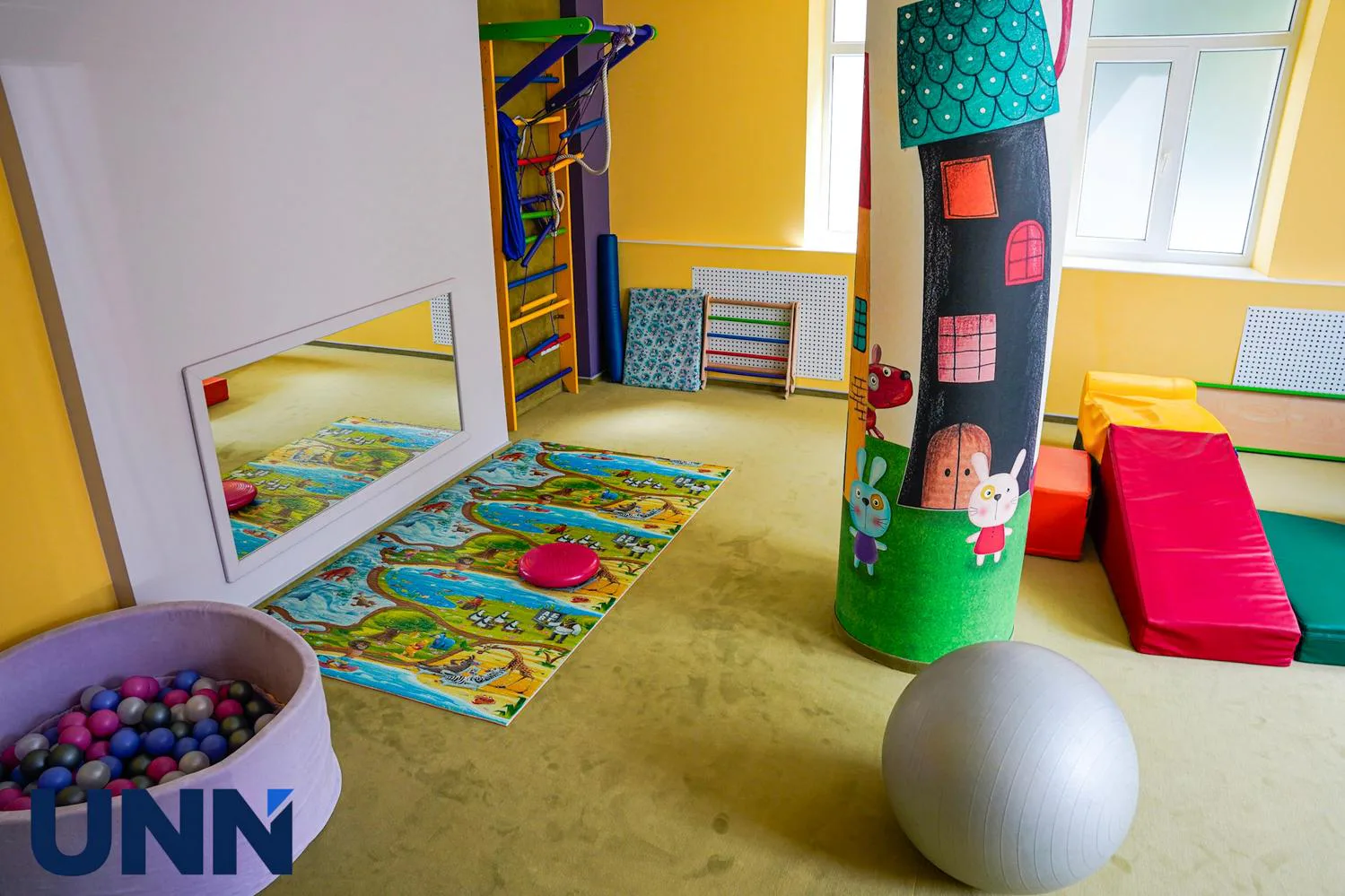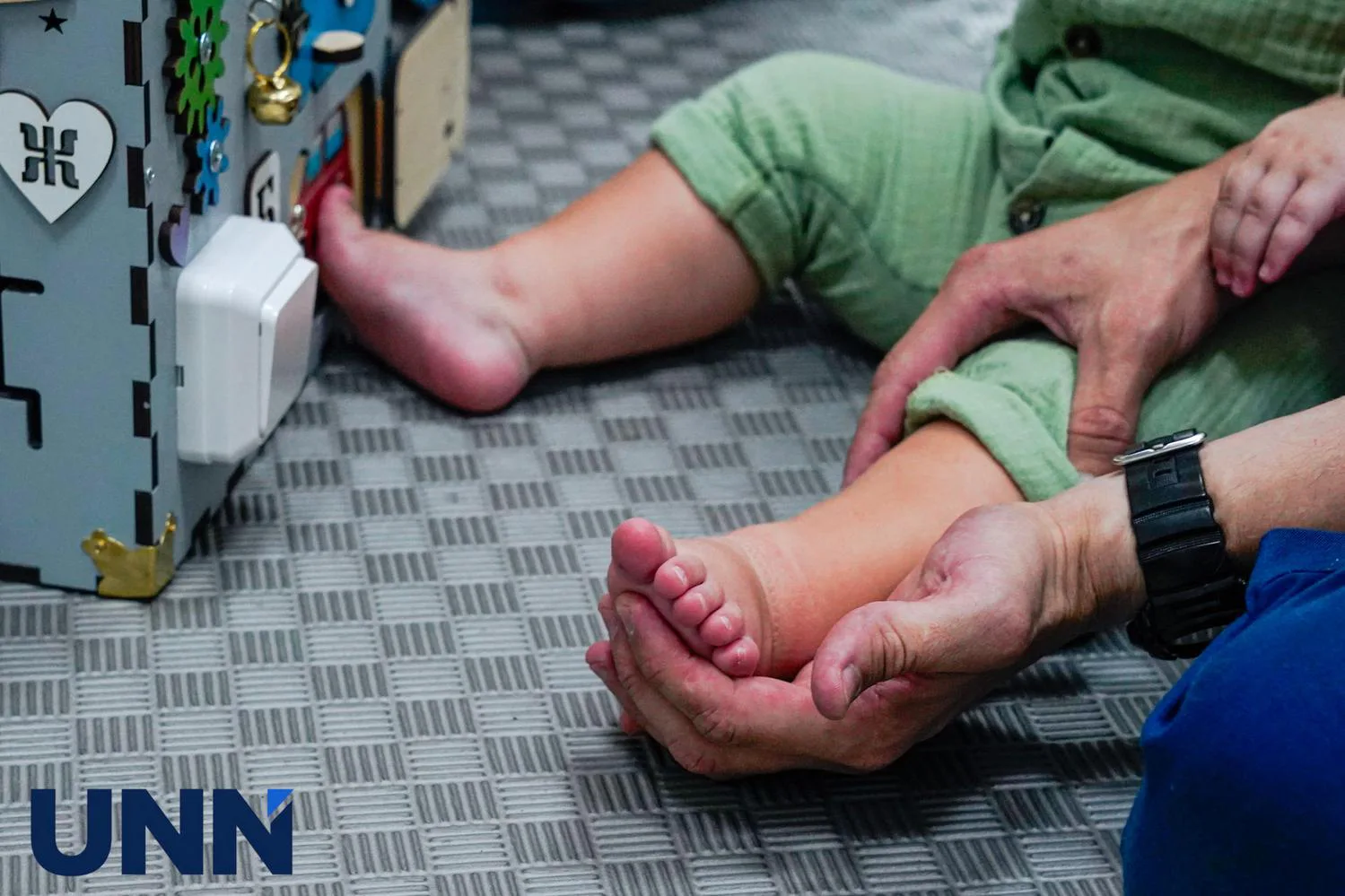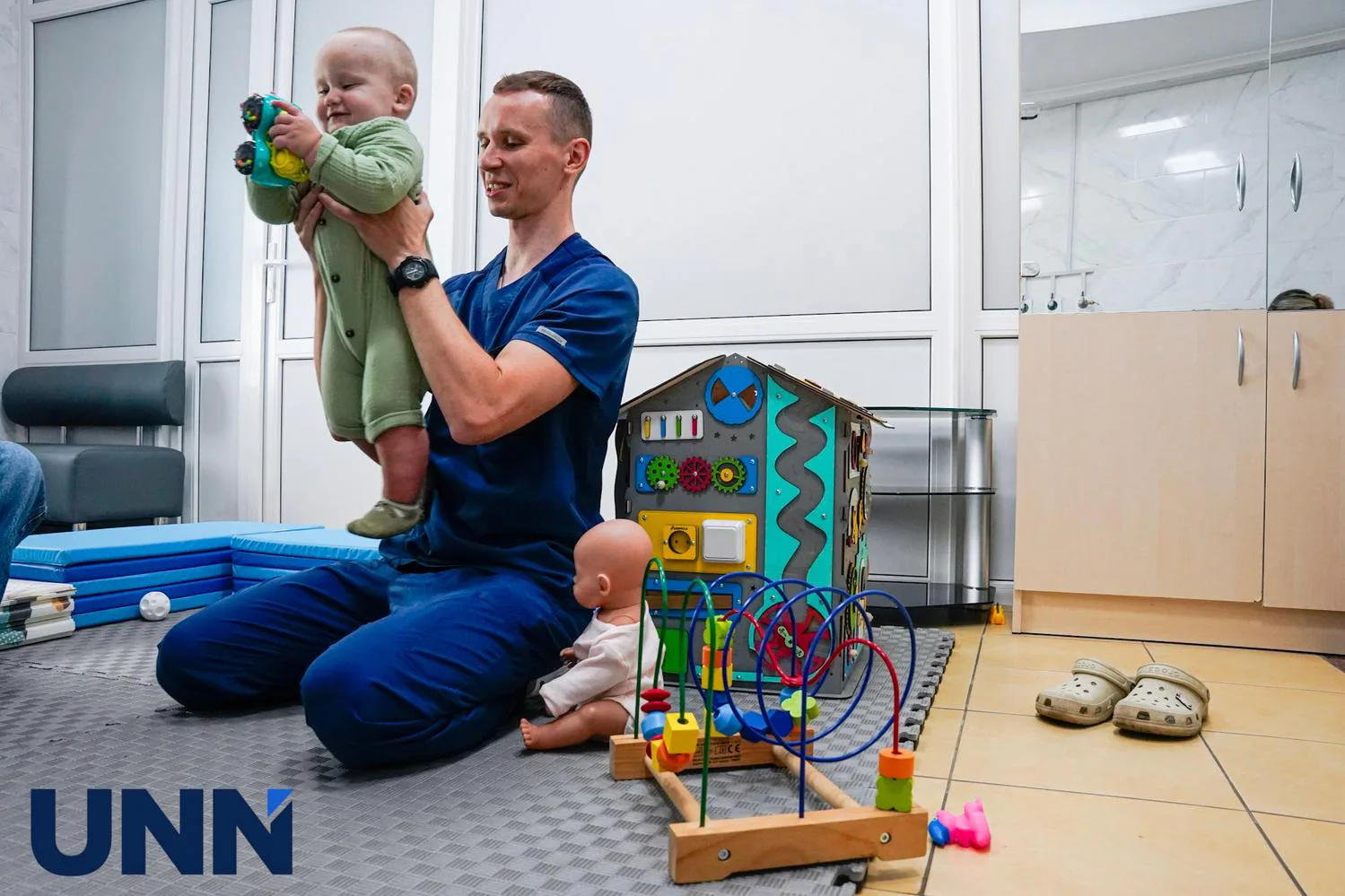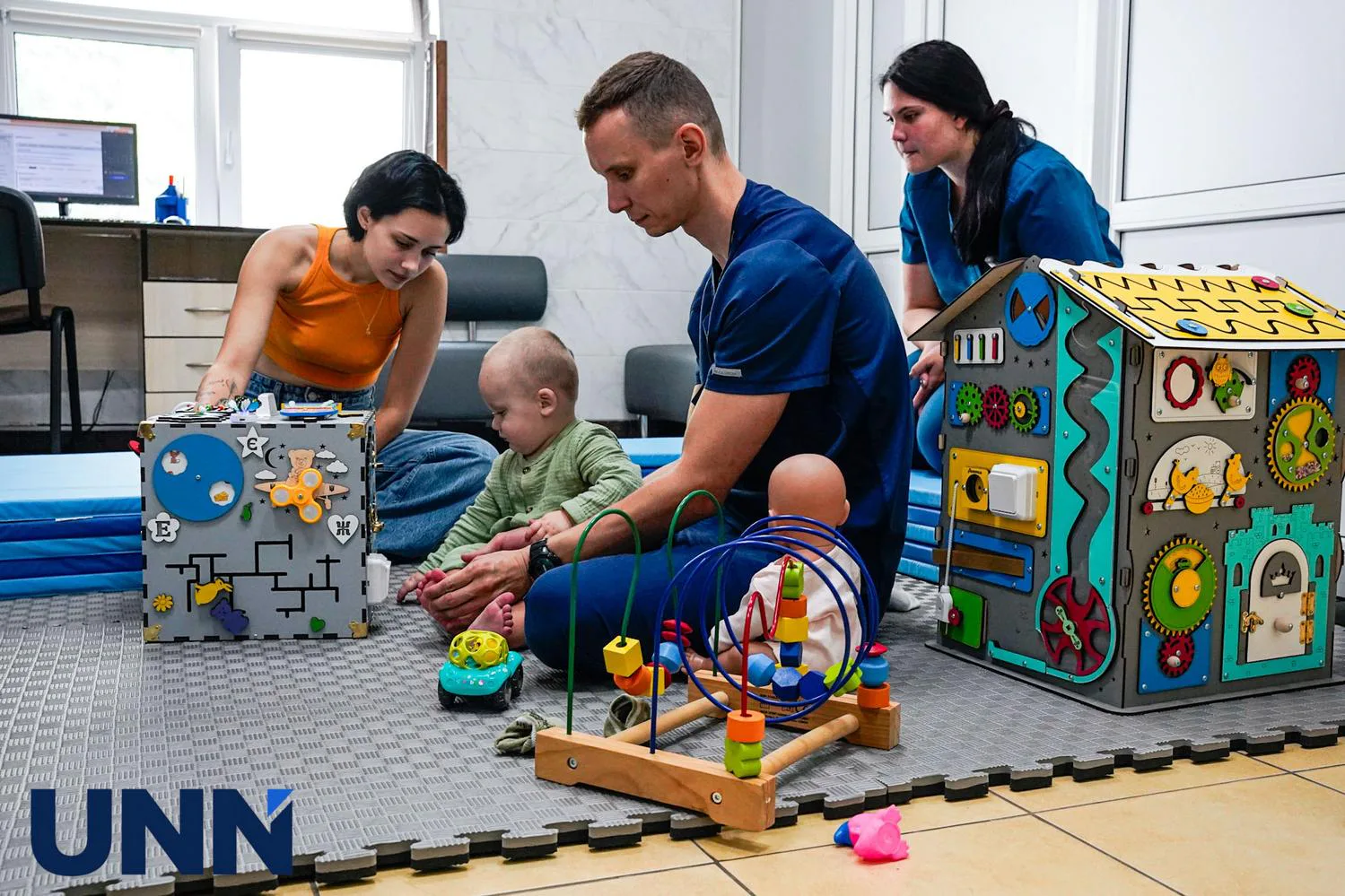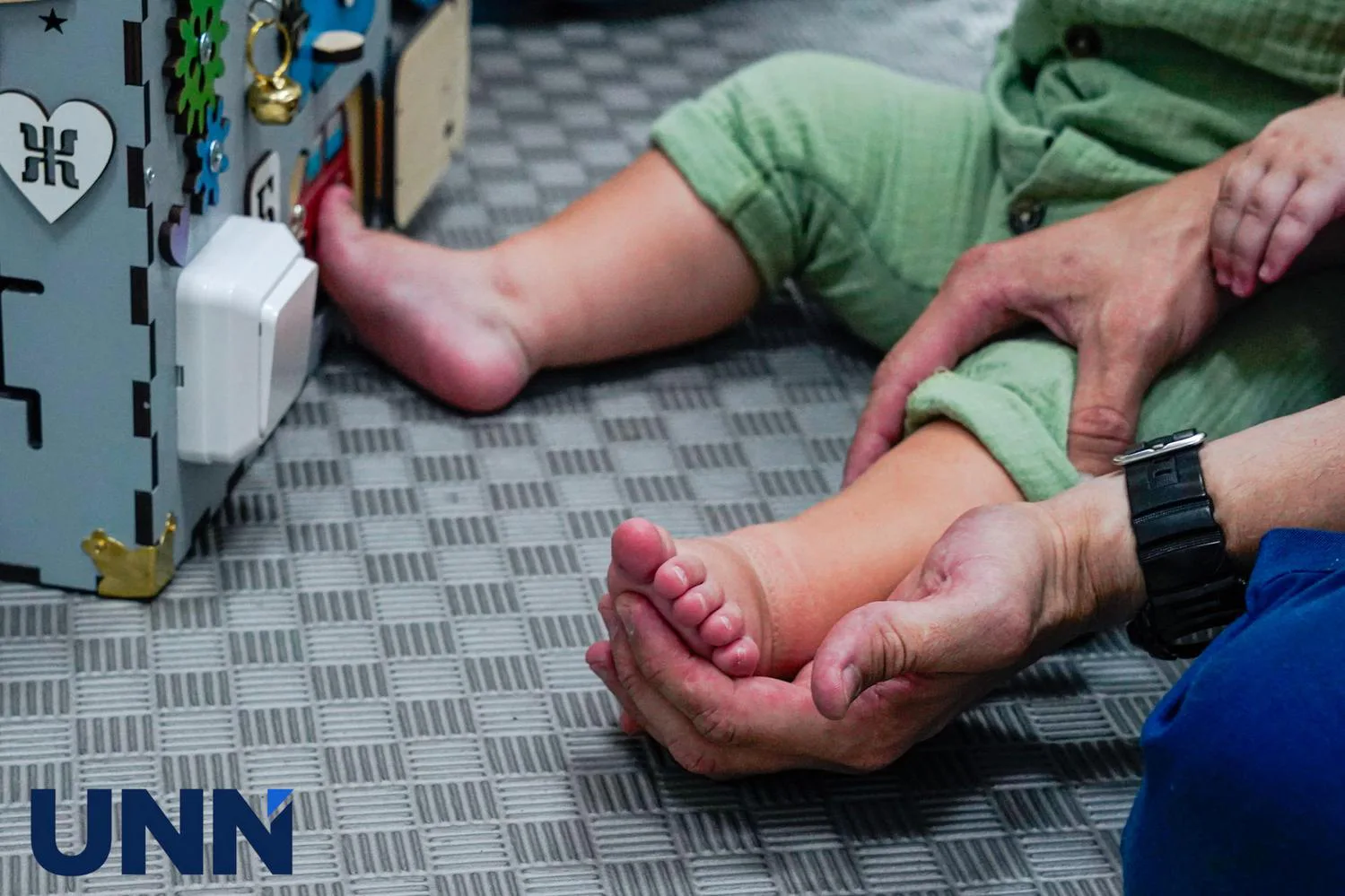
A child was born at 28 weeks. Discharged from the hospital — and what next? For most parents, after leaving the hospital, chaos begins: numerous doctors, no single plan, no understanding of whether the child is developing as expected. This is exactly what catamnestic monitoring exists for — but according to the "Early Birds" association, 46% of parents of prematurely born children have never heard of this program.
What is catamnesis and why is it needed
Catamnesis is structured long-term monitoring of a child after hospital discharge. Not just regular check-ups, but a system: a multidisciplinary team, standardized developmental assessment scales, and clear control points. According to data from the Lviv Regional Children's Clinical Hospital "OKHMATDyt," such monitoring reduces the development of pathologies by 80% — conditions that prematurely born children most often suffer from.
The program includes not only "early birds" — children born before 37 weeks. Indications also include: intracranial hemorrhages, shock requiring medication for circulatory support, congenital developmental defects with impaired vital functions, twin-to-twin transfusion syndrome, and conditions after neurosurgical intervention.
How it works in practice
Monitoring is conducted until the child reaches three years of age. Assessments are performed at key age points — 3, 6, 9, 12, 24, and 36 months — using scales and screenings recommended by the Ministry of Health. The team of specialists monitors five areas of development:
- Motor — whether the child sits, walks, holds objects according to corrected age
- Cognitive — attention, memory, problem-solving
- Sensory — vision, hearing, reactions to stimuli
- Socio-emotional — attachment, interaction with people
- Communication — speech and language understanding
In parallel, monitoring of somatic disorders is conducted. But there is an important detail that is often not discussed: parents are not passive observers. Their training and active involvement in the child's development is an official part of the program.
"Prematurely born children are very vulnerable, so in the first years of life they require medical monitoring — catamnesis. It reduces the development of pathologies and diseases that prematurely born children most often suffer from by 80%."
Lviv Regional Children's Clinical Hospital "OKHMATDyt"
Why parents don't know — and what threatens this
Premature birth is cause #1 of child mortality before age 5 in the world, according to the WHO. In 2015, it led to 1 million deaths, and three-quarters of them would have been preventable with timely intervention. Children who survived without proper monitoring have an increased risk of lifelong disability — learning difficulties, vision and hearing disorders.
The problem is not only lack of information but also the structure of the system: after hospital discharge, the family is essentially left without a single coordination point. Catamnestic offices exist, but referrals to them depend on how informed a particular neonatologist or pediatrician is. If the doctor doesn't mention it — parents won't find out.
The "Early Birds" association is the first all-Ukrainian union of parents of prematurely born children and one of the few institutions that systematically addresses this information gap — through education, support, and advocacy for changing discharge protocols.
The question is not whether Ukraine has enough catamnestic offices. The question is whether a mandatory referral to such an office will appear in the discharge protocol — because without it, 46% will remain a stable figure rather than a starting point for change.