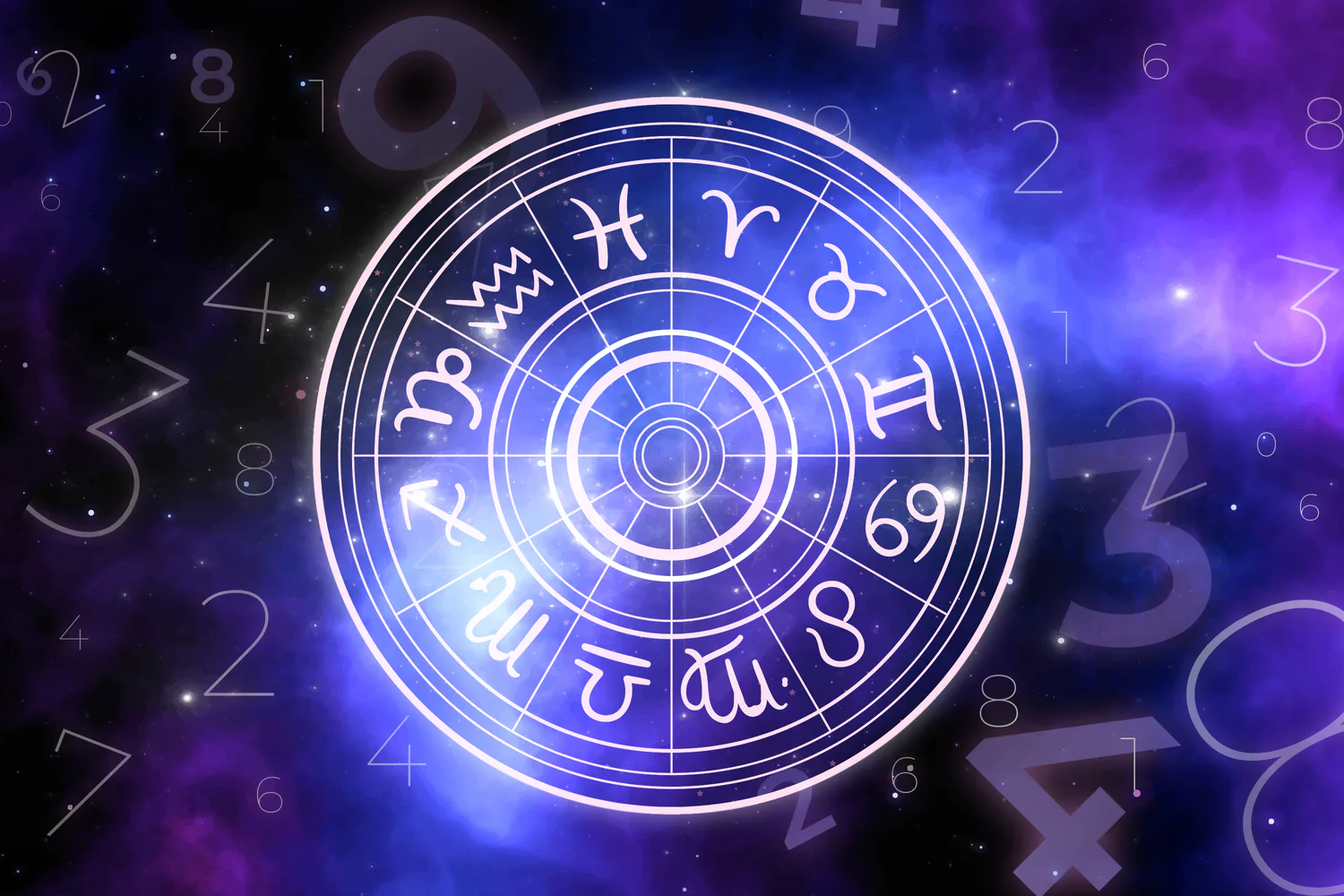
Astrologers rarely get weeks they have something to say about. The week of June 29 to July 5, 2026 is an exception: three major transits overlap one another, and each is read differently depending on where you stand in relation to astrology altogether.
What's happening and why it's not just "energies"
On June 29, Mercury begins retrograde motion in the sign of Cancer. According to astrological tradition, this is a moment when communications, contracts, and technical issues become zones of increased risk of error. There is a practical core here: behavioral finance researchers have found that people tend to make worse decisions amid end-of-month and beginning-of-quarter chaos — that is, right now. Not because of planets, but because of being overwhelmed and rushed.
On June 30, Jupiter transitions into the sign of Leo, where by astrological logic it amplifies themes of publicity, leadership, and ambition. According to Almanac.com, this transit will last over a year and is traditionally associated with themes of creativity, courage, and generosity. In simpler terms: the next 12 months are a time when noticeable public gestures will be worth more than quiet effort.
On July 1, Mars enters Gemini, and already on July 3–4 forms a conjunction with Uranus. This is the most "explosive" combination of the week.
"Mars–Uranus conjunction is traditionally read as sudden decisions, sharp changes of course, and increased risk of conflicts due to haste"
— standard interpretation in classical astrology
Practical translation for the skeptic
- Documents and contracts: if signing can be postponed — postpone it. Not because of Mercury, but because end of quarter is traditionally a time when errors hide in texts due to both parties' rush.
- Major purchases: the real estate and automobile market in the first week of July is traditionally overheated by pent-up demand. An objective pause — not superstition.
- Public statements and negotiations: the Mars–Uranus conjunction on July 3–4 is a moment when astrologers advise avoiding sharp decisions. Negotiators without any astrology will say the same thing: Friday before a long weekend is the worst time for ultimatums.
Where the line is drawn
Astrologer Ksenia Bazilenko, whose forecast was circulated by UNN, formulates recommendations carefully — without guarantees or catastrophism. This is an honest position for the genre. The problem is not with the advice — it's mostly reasonable. The problem is in the mechanism: planets don't cause contract errors, but the coincidence of three transits in one week is a good reason to stop and check what you usually sign without reading.
If by the end of July it turns out that "Jupiterian publicity" truly coincided with a surge of loud political gestures in Ukraine or Europe — this will be an interesting coincidence. But whether this means a causal relationship is a question that astrology does not ask itself, though it should.