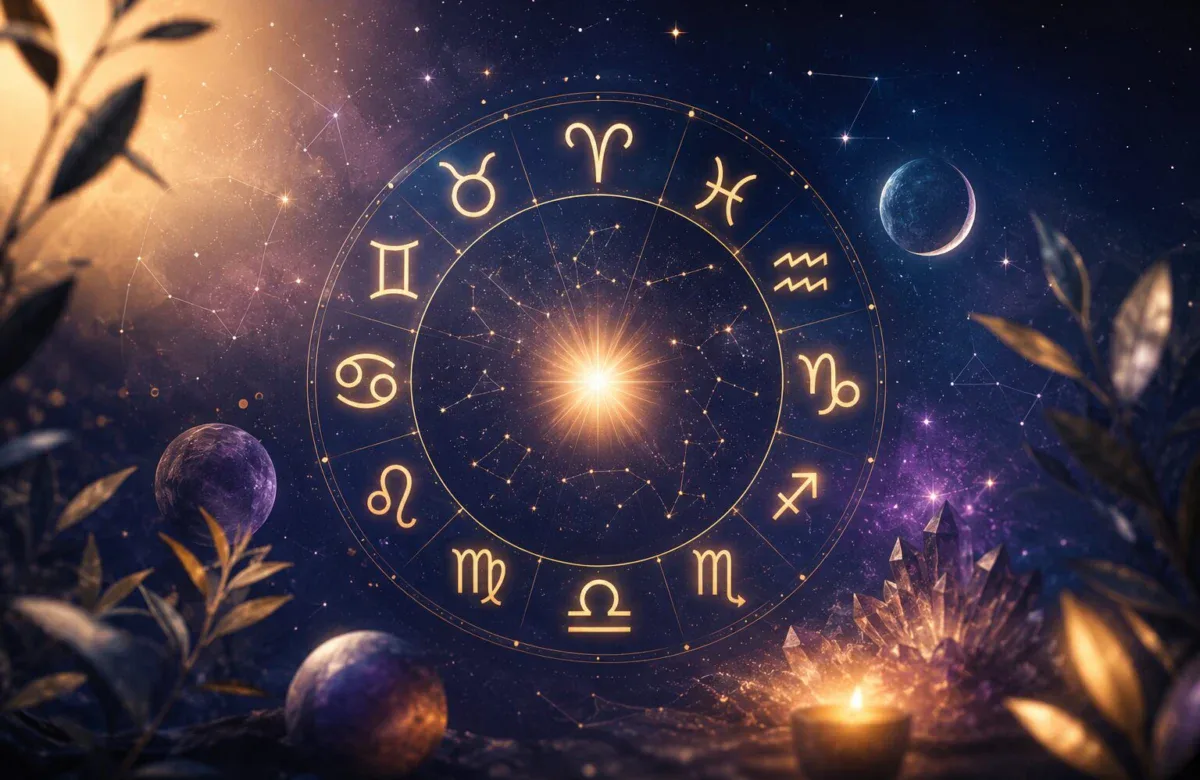
The week of June 15-21, 2026 is indeed packed with astronomical events — and this is not a metaphor. Three phenomena that astrologers consider key coincide in one period: the New Moon in Gemini, Venus's transit into Leo, and the summer solstice on June 21. Astrologer Ksenia Bazilenko has specially analyzed for UNN what this means for different areas of life.
What is happening in the sky — without mysticism
The New Moon in Gemini falls approximately on June 14-15. Gemini is a sign of communication, ideas, and short journeys, so astrological tradition associates this New Moon with the beginning of new informational, educational, or negotiation processes. On June 13, Venus moves into the sign of Leo and remains there until July 9 — in classical astrological symbolism this is "a time of bold gestures and loud confessions."
June 21 is the summer solstice: astronomically the longest day of the year in the Northern Hemisphere. This is an objective fact, not an interpretation. The Sun reaches its highest point above the horizon — hence the persistent cultural resonance of the event, from Stonehenge to the Ukrainian Ivan Kupala.
"Right now, the Universe seems to remind us that it is time to dream, make plans, and not be afraid of change"
— astrologer Ksenia Bazilenko, UNN
Practical perspective: what the astrologer recommends
Bazilenko highlights several specific recommendations for the week:
- June 15-17 — heightened attention to safety: avoid risky decisions, verify the details of contracts and routes.
- New Moon — open a new project, write the first paragraph of a text, reconnect with someone you've been putting off.
- Venus in Leo — invest effort in relationships: not just romantic ones, but creative partnerships too.
- June 21, the solstice — traditionally considered a point for "annual intentions": what you sow symbolically on the longest day is what you will nurture until autumn.
Where the boundary lies between astronomy and belief
Important context that is rarely mentioned alongside such forecasts: astrology is not a scientific discipline — this is acknowledged by Ukrainian platforms that publish it, adding appropriate disclaimers. Planetary aspects do not mechanically control fate. But as a structure for reflection — "what do I want to change by the end of summer?" — such a calendar works as well as any other reason to stop and think.
Three coincidences in one week — the New Moon, Venus in Leo, the solstice — this is a rarity in the annual cycle. If a person uses this moment as a trigger for a real decision, the astrological forecast will fulfill its intended function — regardless of whether the planets actually "worked."
The question remains open: if by July 9, while Venus is in Leo, you still haven't taken that bold step in your relationships or projects — what exactly stopped you: "unfavorable aspects" or your own procrastination?