CAS decision and the essence of the case
A special panel of the Court of Arbitration for Sport (CAS) rejected the lawsuit of Ukrainian skeleton racer Vladyslav Heraskevych against the International Bobsleigh and Skeleton Federation (IBSF) and the International Olympic Committee (IOC). In the decision, quoted by UNN, the arbitrator noted that freedom of expression is permitted at the Olympic Games, but during competition it is limited by the IOC's Guidelines on Athlete Expression.
“The sole arbitrator, while fully understanding Heraskevych's desire to honor the memory, is obliged to comply with the rules set out in the IOC's Guidelines on Athlete Expression.”
— CAS decision
Context: why this matters
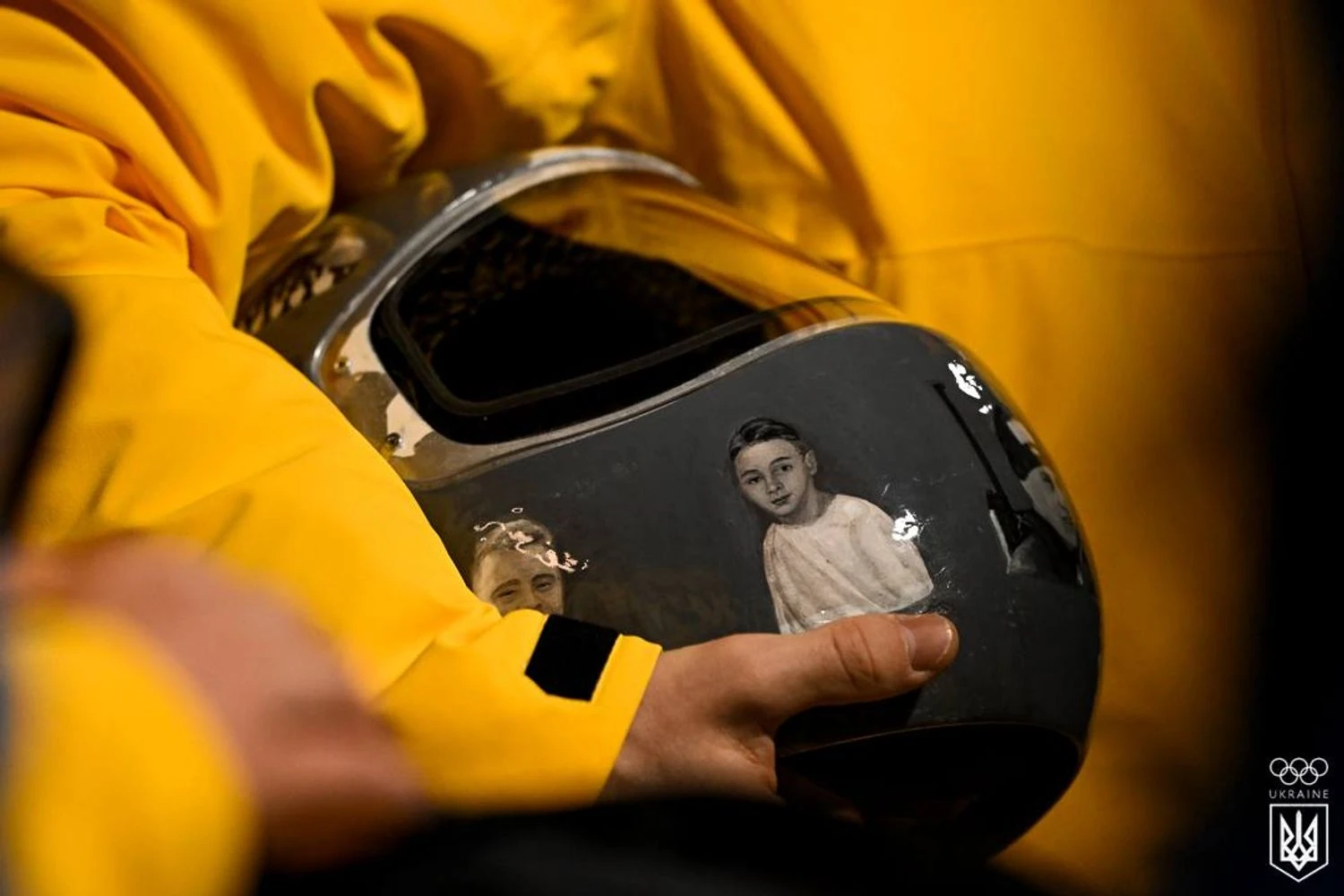
The IBSF and the IOC disqualified Heraskevych before the first run of the 2026 Olympics because he intended to compete wearing a “memorial helmet” — a symbol of respect for deceased Ukrainian athletes and our Heroes. In practice the case goes beyond an individual act: it touches on the balance between personal remembrance and the neutrality policy upheld by the Olympic movement.
“These Guidelines provide a reasonable balance between athletes' interests in expressing their views and athletes' interests in receiving undivided attention for their sporting achievements in competition.”
— CAS decision
What the verdict means
Legally, CAS confirmed the primacy of the IOC regulations during competition. Politically and emotionally for Ukraine, this is a painful matter: what many see as an act of remembrance and honor, the arbitrator sees as a risk of violating the rules and distracting from the sporting contest. International sports experts emphasize that the decision is not a moral judgment of the athlete's gesture but a formal interpretation of the rules.
Heraskevych himself previously said he intended to seek a review of the decision — a process that drew attention to the broader debate about the place of symbols during the Games. Now, after CAS rejected the appeal, it is more important for the Ukrainian community to look for alternative ways to honor the memory that do not conflict with competition regulations.
Conclusion
The CAS decision sets the legal boundary of self-expression during competition: IOC regulations take precedence. This does not resolve the ethical question of how to honor the dead — that will remain a subject of public debate. For teams and federations it is a signal: memory matters, but its forms must be coordinated with the rules so as not to lose either sporting results or public support.