What happened and why it matters
After the shelling on February 12, damage to critical infrastructure left 315 buildings of educational institutions in Kyiv without heating — including 163 kindergartens and 141 schools (more than 30% of the total number of institutions). This was reported by the Kyiv City State Administration, according to UNN. In response, the city is temporarily consolidating educational institutions to maintain in-person learning in premises with adequate conditions.
The most difficult situations are currently in the Holosiivskyi, Darnytskyi, Desnianskyi, Dniprovskiy and Pecherskyi districts. At the same time, heating in educational institutions is stable in the Obolonskyi, Podilskyi and Sviatoshynskyi districts.
How it works in practice
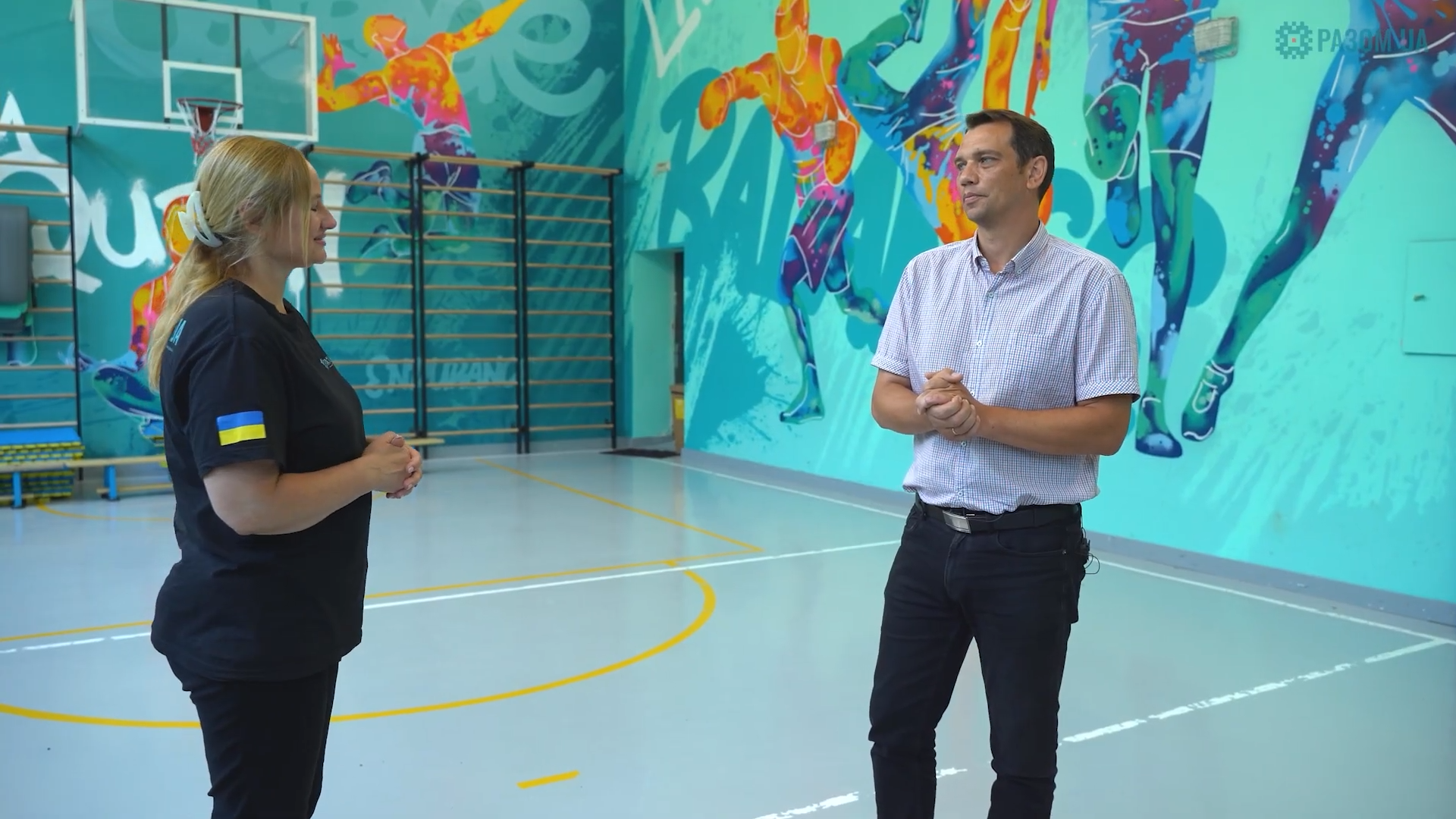
The mechanism is simple but resource-intensive: children are transferred to neighboring institutions that have heat and backup technical capacity. For example, Gymnasium No. 11, which serves as a resilience hub, accepted pupils from Primary School No. 103 thanks to a mobile boiler unit. Similarly, Lyceum No. 141 took in some students from Primary School No. 182, and almost 40 children from Kindergarten No. 44 are temporarily staying in the building of Kindergarten No. 559.
"The need to consolidate educational institutions arose after the latest massive attack by Russia on February 12, which damaged critical infrastructure facilities in the capital. Prior to this, 150 educational institution buildings were without heating; after the shelling, another 165 were added. In total, 315 buildings were left without heating — more than 30% of the city's educational institutions, including 163 kindergartens and 141 schools."
— Kyiv City State Administration (KMDA)
Consequences and challenges
Consolidation helps preserve face-to-face interaction, lesson regularity, and social stability for children. At the same time, it creates logistical burdens: the need for additional transport, schedule adjustments, increased load on receiving institutions, and stricter fire safety and sanitary requirements. The city is deploying mobile boiler units and optimizing space promptly, but long-term solutions require infrastructure restoration and additional resources.
Resumption of in-person schooling in Kyiv began on February 2, and schools determined their formats individually based on safety and conditions. The current task for city authorities is to simultaneously guarantee heat at the receiving points and minimize risks to children during transfers between institutions.
Brief conclusion: this is an example of systematic work that is not always visible in headlines but makes it possible to preserve daily life for thousands of students. Whether resources will be sufficient for a long-term solution depends on the speed of infrastructure restoration and support from partners.