What happened
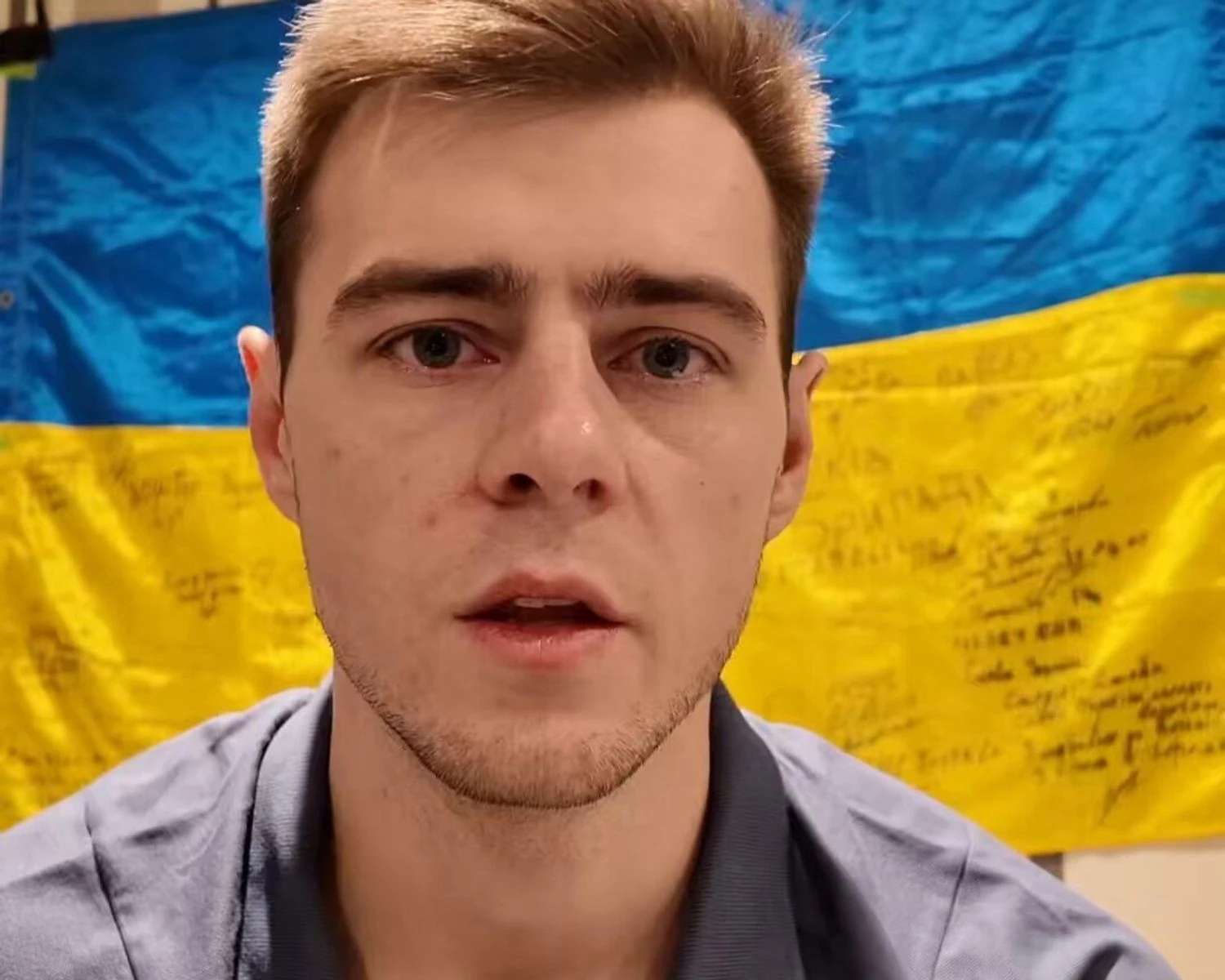
According to UNN, the IOC disqualified Ukrainian skeleton racer Vladyslav Heraskevych before his first run at the 2026 Olympics. The athlete had planned to start wearing the so‑called “helmet of remembrance” — as a sign of respect for fallen Ukrainian athletes and for all our Heroes.
"This is the price of our dignity"
— Vladyslav Heraskevych, skeleton racer
The IOC's decision prompted a swift response from the National Olympic Committee of Ukraine, which emphasized its solidarity with the athlete and its intention to defend the right to honor the memory.
"Today Vladyslav did not start, but he was not alone — all of Ukraine was with him, is with him, and will be with him. Because when an athlete stands up for truth, honor and memory — that is already a victory."
— National Olympic Committee of Ukraine
Why this matters
In practice, this confrontation is not just about one helmet, but about the limits of expressing political or commemorative symbols in sport. The IOC is guided by provisions of the Olympic Charter, notably the well‑known Rule 50, which restricts the display of political statements at the Games. On the other hand, for the Ukrainian side this gesture had ethical and national significance: the memory of the fallen is part of the nation's dignity.
The logic of the conflict is clear: international institutions seek to preserve an apolitical space for competition, while individual participants argue that commemorative symbolism carries a humanistic, not political, meaning. This raises questions for international sport about precedent and the relationship between rules and the context of war.
What happens next
Heraskevych announced his intention to file an appeal with the Court of Arbitration for Sport (CAS). If the appeal is accepted, the case could define the limits of applying Rule 50 in similar instances and become a reference point for future displays of symbolic gestures in the arenas of world competitions.
A brief list of possible consequences:
- Legal precedent — a CAS ruling could clarify what is considered "political" at the Olympics.
- Reaction of the international community — there will be debate among federations and organizers around the topic of memory and freedom of expression.
- Internal mobilization — the NOC and Ukrainian athletes may use the case to coordinate their position at future competitions.
This story is another test for international institutions: whether they can find a balance between formal neutrality and the realities when symbols of remembrance acquire moral significance. The next step is the legal appeal and the IOC's response. Whether this will lead to a change in practice depends on the arguments before CAS and on how willing international institutions are to take the context of war into account.