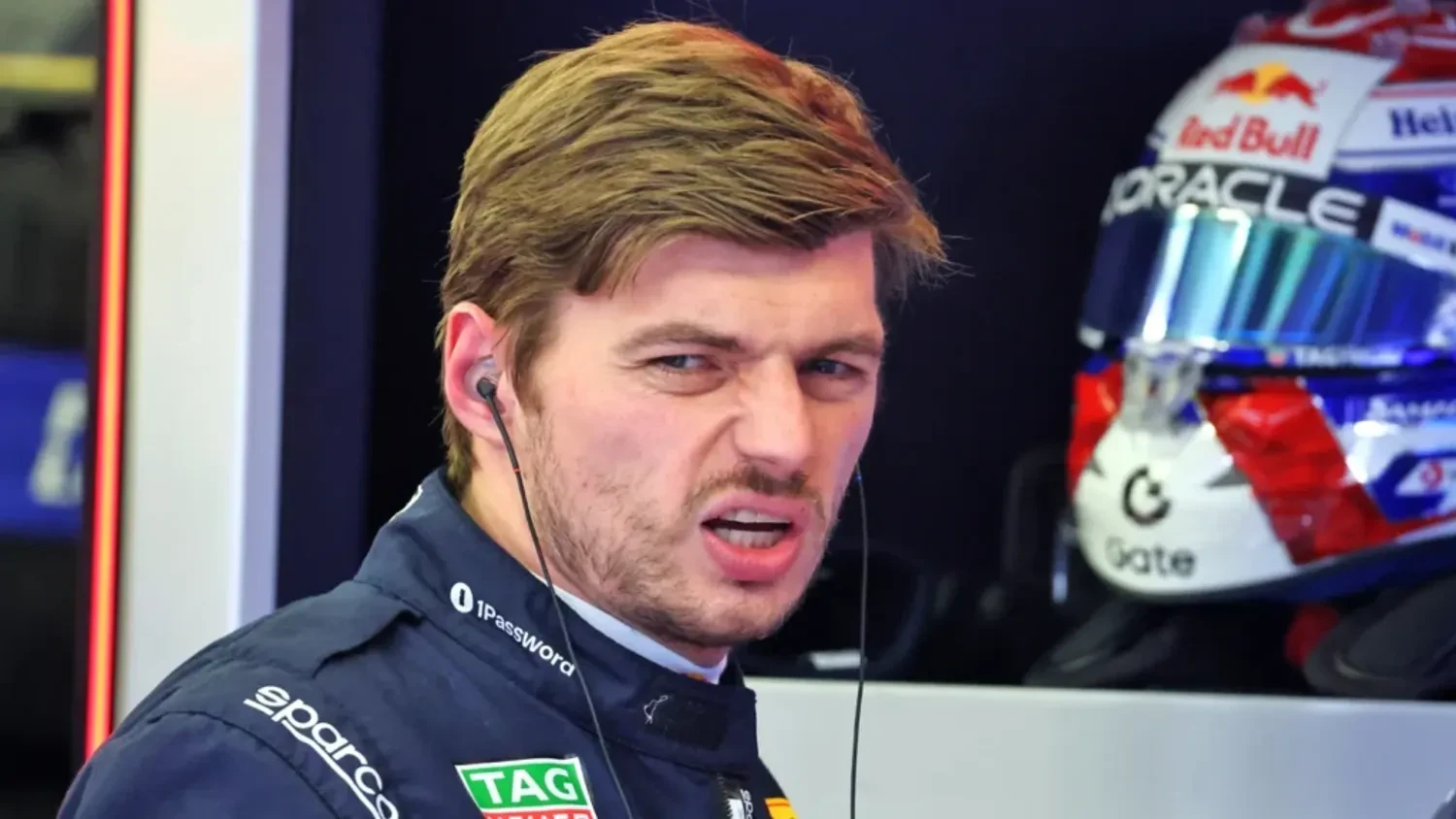
Max Verstappen during pre‑season testing in Bahrain said he now feels "closer to the end" of his Formula‑1 career — Motorsportweek reports, cited by UNN. The remark sounds emotional, but more important than the words: it highlights systemic pressures on drivers — technical regulations, the crowded calendar and the question of balancing professional life and family.
What exactly Verstappen said
The three‑time champion openly criticises the new hybrid power units, comparing the future cars to "Formula‑E on steroids", and emphasises that a 24‑race calendar takes too much time away from family and personal life. In his view, the number of titles does not matter as much as moments with loved ones.
"I don't care whether I win four or eight"
— Max Verstappen, three‑time world champion
Why this matters: technical and human consequences
Technical regulations. The switch to different electrified or hybrid solutions changes the character of the cars — their dynamics, noise, development and running costs. This affects not only the on‑track spectacle, but also how drivers' motivation aligns with teams' work and sponsors' expectations.
Calendar. 24 rounds a year mean more flights, less rest and a greater risk of burnout. For leaders who have already won titles, it becomes a question of priorities: continue chasing records or preserve quality of life.
What this changes for team line‑ups and young talents
A faster season tempo and updated technical requirements accelerate turnover on the driver benches. For teams this is a signal: not only experience and results are needed, but adaptability and readiness to work with new concepts. An example — reports that 21‑year‑old Isack Hadjar will join the Red Bull structure alongside the current leader: part of a renewal strategy and reserve preparation.
What it means for fans and the sport overall
For fans this is a test of loyalty to the formula: will viewers stick around when the cars and the soundtrack change, and champions prioritise family over records? For regulators and teams — a challenge to find a balance between innovation, safety and the human factor.
The Formula‑1 expert community is already discussing compromises: calendar adjustments, engine development rules or driver support programmes to prevent burnout. This is a matter of the sport's business logic as much as its purely sporting side.
Conclusion
Things are simple: Verstappen's words are an indicator of a paradigm shift. Not only because they were voiced by one of the best drivers of our time, but because real technical and social challenges lie behind them. Now the ball is in the court of those who shape regulations and make decisions in teams — can they combine innovation with an understanding of the human factor?