What happened
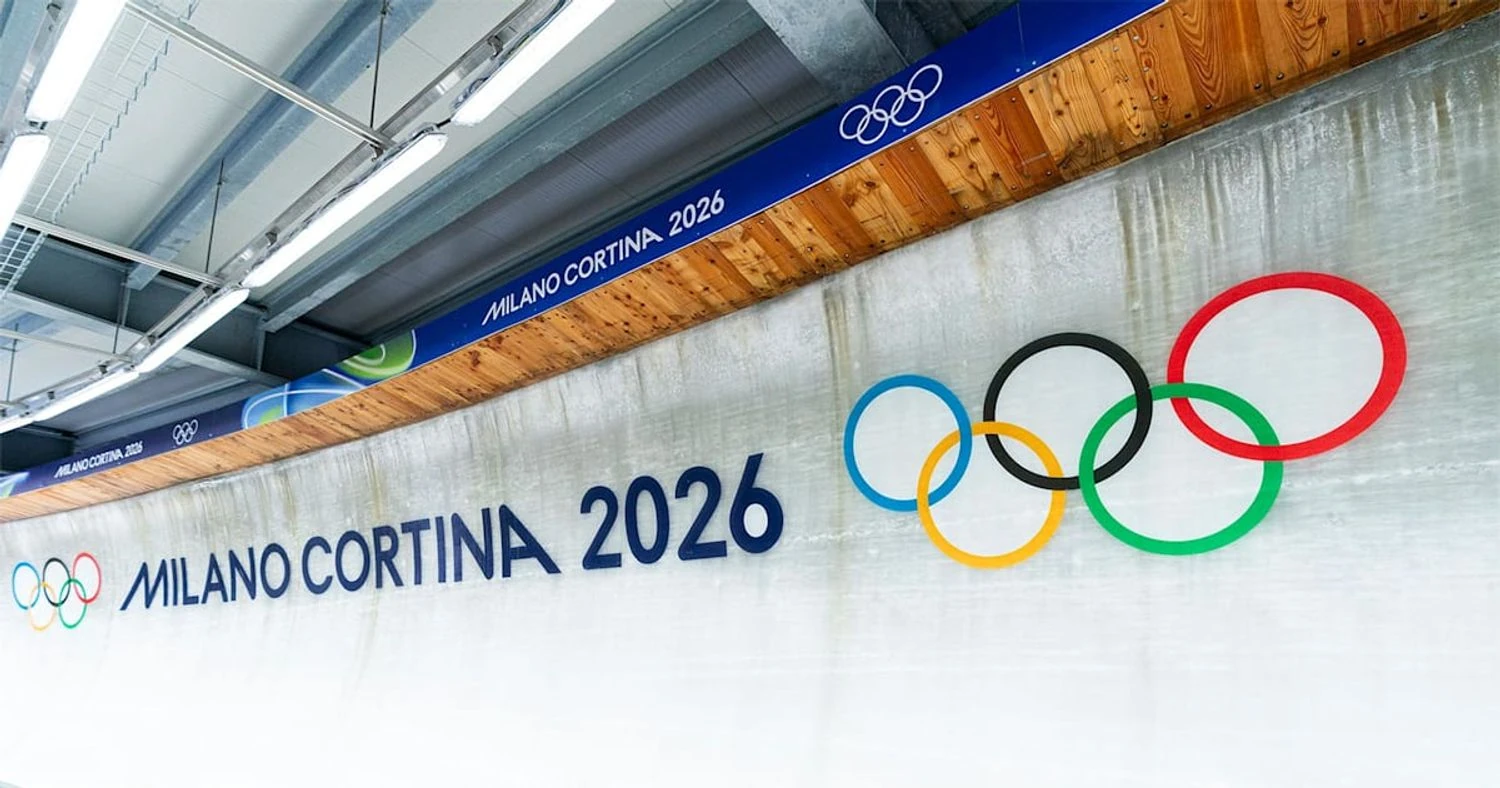
The IOC has officially disqualified Ukrainian skeleton racer Vladyslav Heraskevych from participation in the 2026 Winter Olympic Games in Milan‑Cortina. The announcement was published on the IOC's official website and circulated by Ukrainian media, including UNN.
"Skeleton athlete Vladyslav Heraskevych is not admitted to participate in the 2026 Olympic Games in Milan‑Cortina after refusing to comply with the IOC's rules on athletes' self‑expression"
— IOC, official statement
Reason and legal framework
The IOC cites the athlete's actions as inconsistent with norms regarding self‑expression. Such restrictions in Olympic law (sometimes referenced in the context of "Rule 50" of the Olympic Charter) are intended to preserve the apolitical nature of the Games. The IOC's decision is not only a technical sanction, but also a signal about how the institution interprets the limits of what is permissible in the official spaces of the Games.
Consequences for the athlete and the team
The disqualification affects team preparation, the athlete's morale, and his career. There are standard mechanisms for appeal — from addressing the National Olympic Committee to filing an appeal with the Court of Arbitration for Sport (CAS). Sports law experts note that the outcome of an appeal will depend on the context of the statements and the documentary evidence presented by the party contesting the decision.
What this means for Ukraine
This story goes beyond a single athlete: it raises questions about Ukraine's image and about how our athletes can express their positions during international competitions. What is needed now is not emotion, but a systematic response — legal support from the NOC, clear internal guidance for athletes, and proactive communication with international bodies.
Conclusion
The IOC's decision opens a broader discussion about the balance between the apolitical nature of sport and the right to self‑expression. The question before us now is whether the Ukrainian sports system will turn this incident into a lesson and whether it will be able to defend its athletes legally and on the international stage?