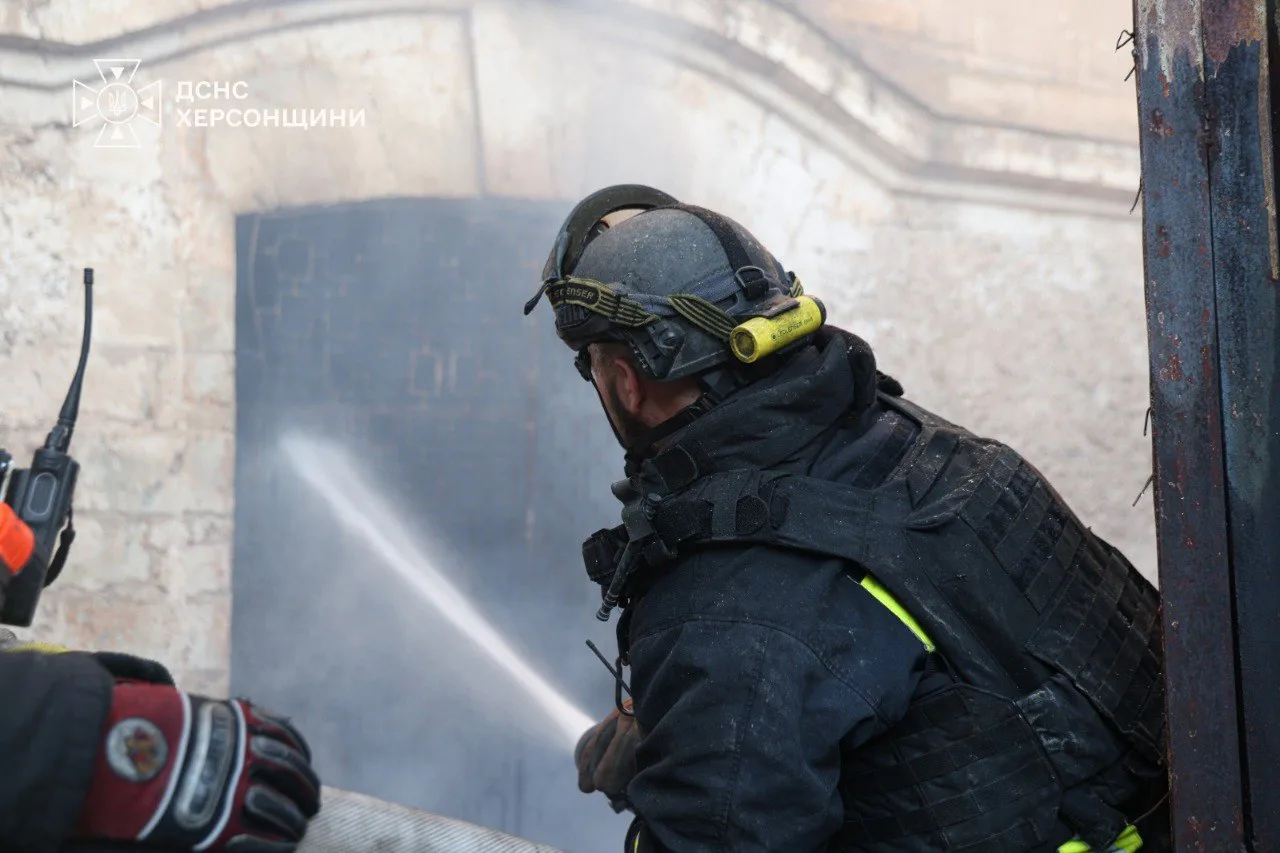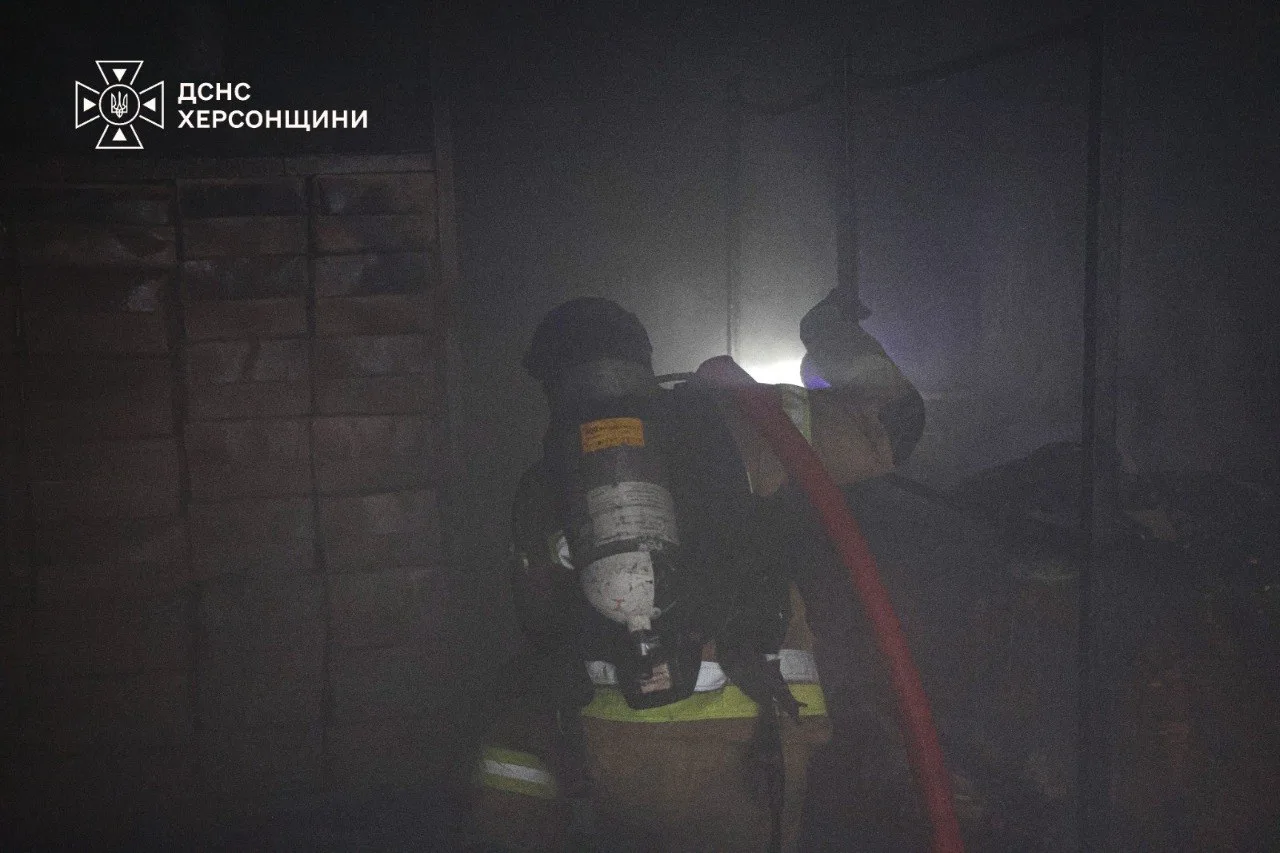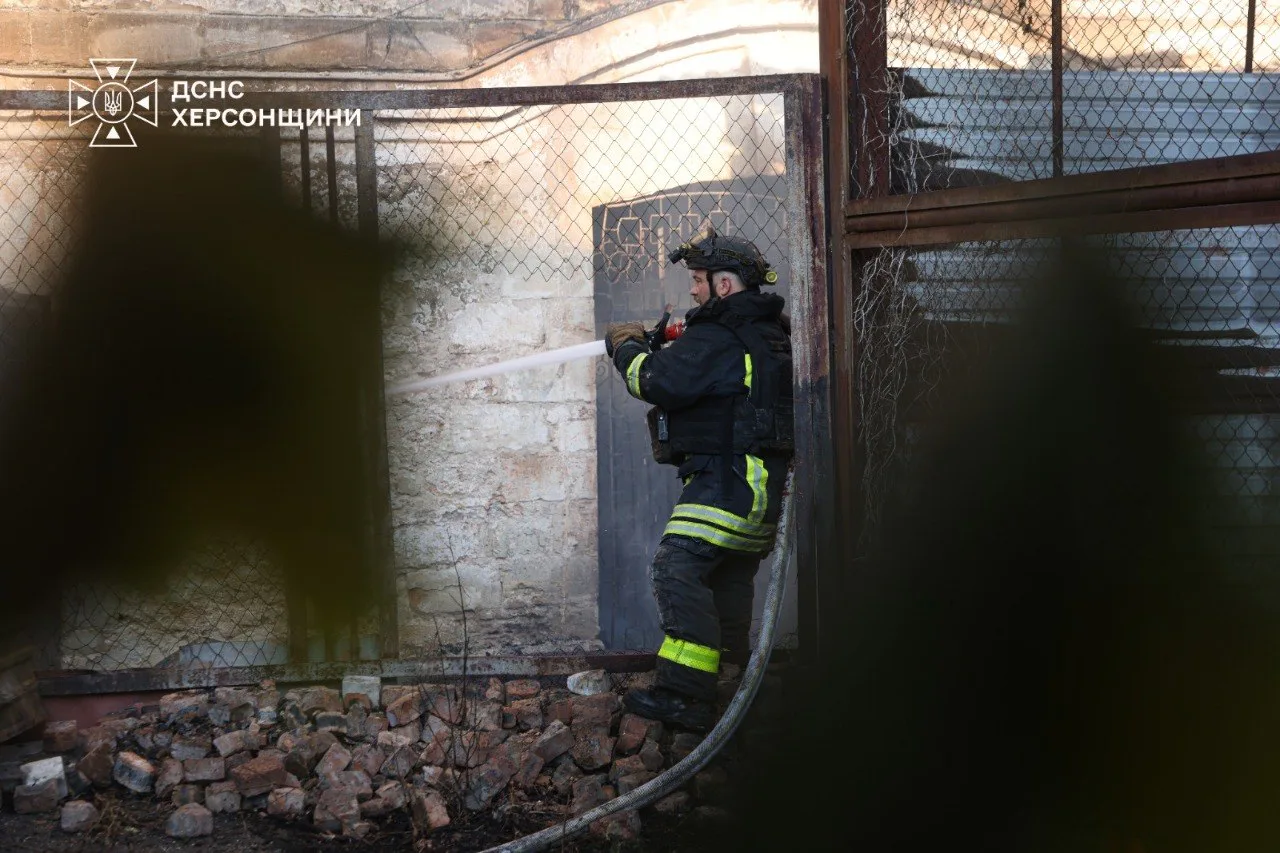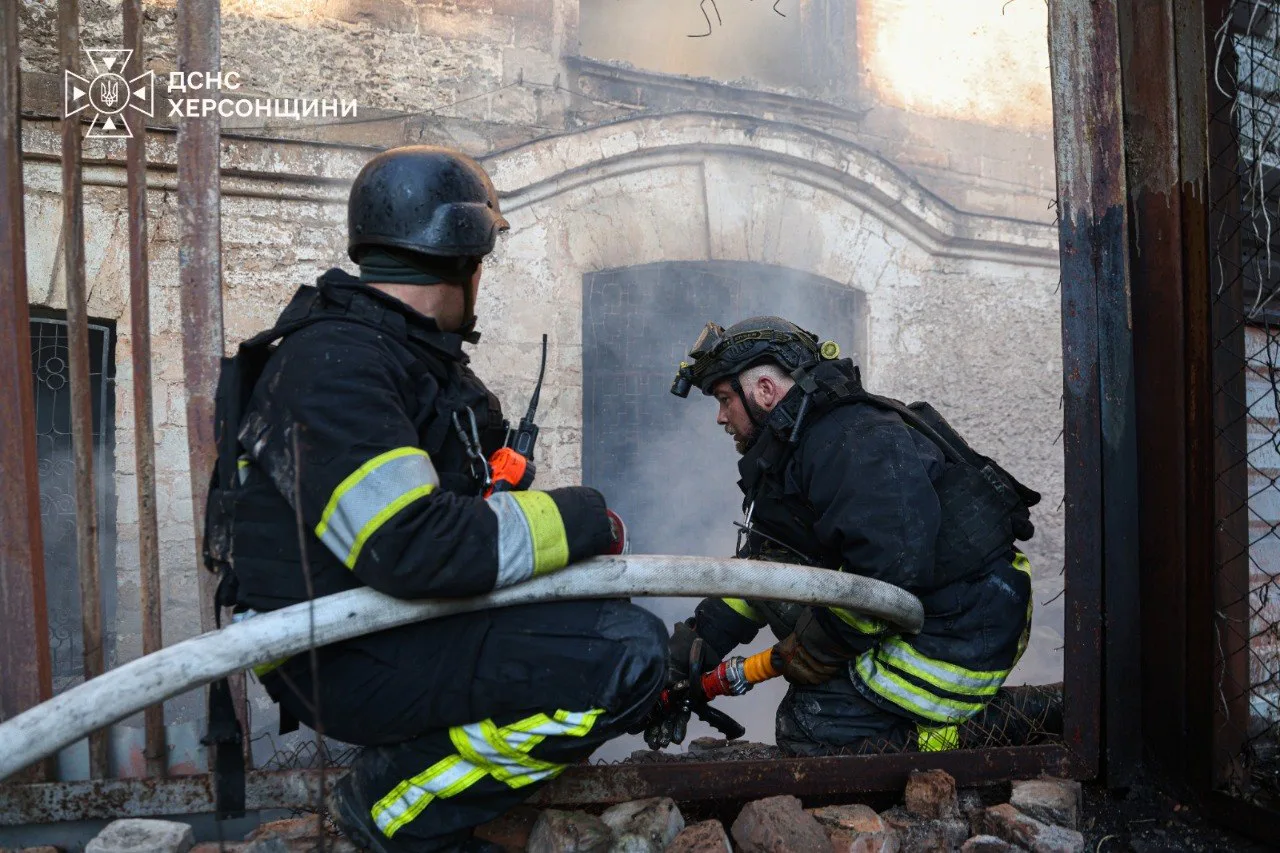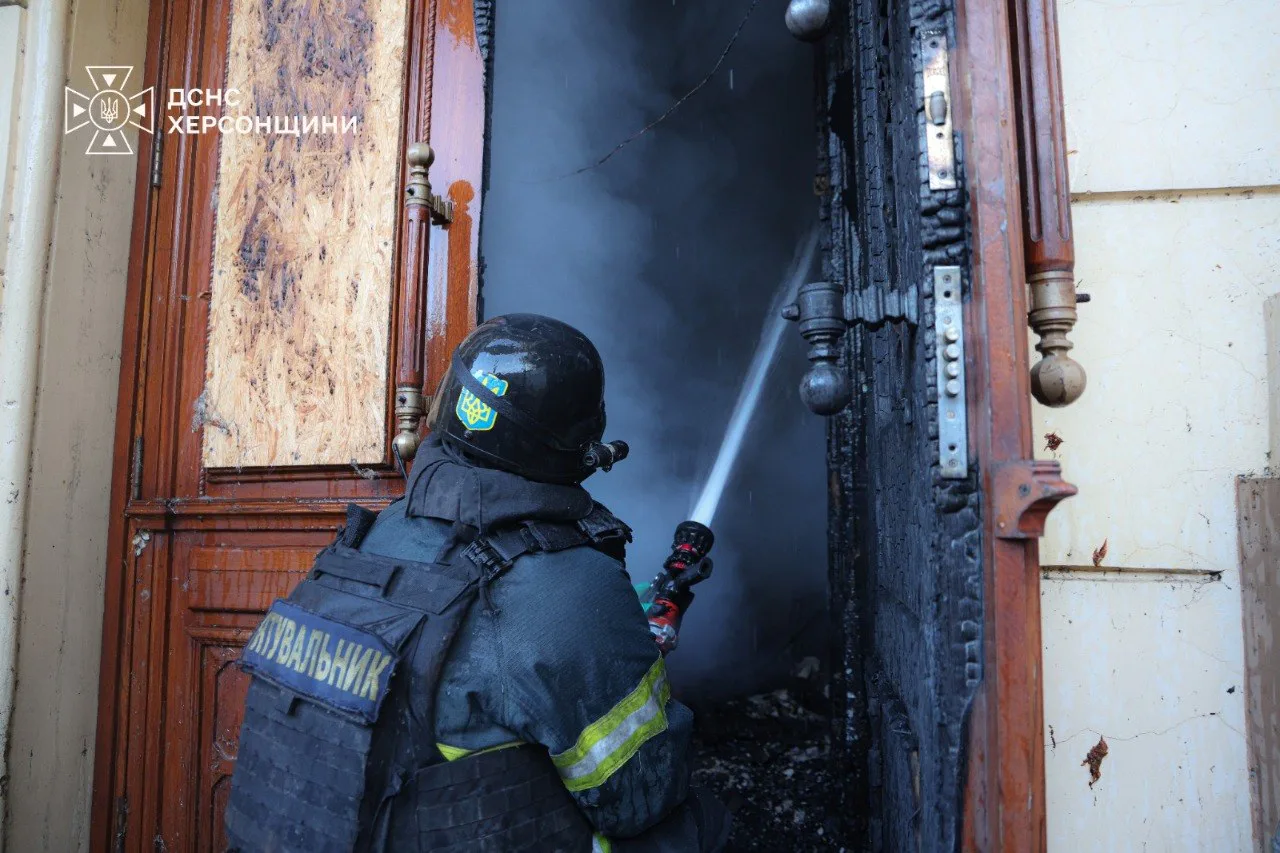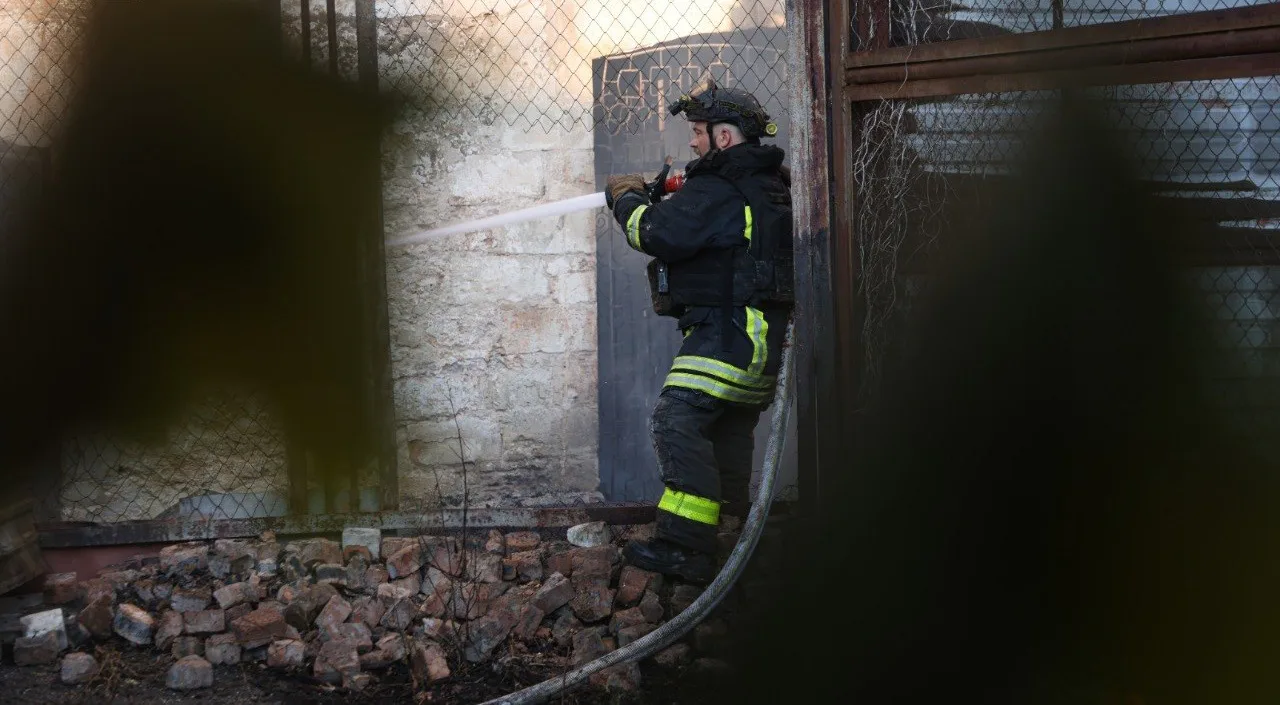
On the morning of August 20, a Russian FPV drone struck a building of the Kherson Regional Art Museum and an adjacent utility structure. The fire was extinguished, there were no fatalities — this is reported by UNN citing the State Emergency Service of Ukraine.
At first glance — another line in the daily chronicle of shelling. But this particular museum has a history that makes the strike especially painful: during the occupation of Kherson in 2022, the Russians exported a significant part of the collection to Crimea, and the fate of the stolen paintings remains unknown. What survived or was returned was stored in the building that just received a direct hit.
Why museums are not random targets
Kherson is in a zone of constant FPV drone strikes, which the Russians launch directly from the left bank of the Dnieper — the distance is so short that there is practically no time for warning. In this mode, everything becomes a target: residential buildings, shops, hospitals and museums. This is more a matter of geography and frequency of attacks than deliberate hunting for cultural heritage — but the result is no less devastating.
On the same day, a drone struck the "Aurora" store in Sloviansk, where buyers and staff were present. In the Kyiv region, the number of people injured as a result of shelling increased to eight. Zhytomyr region received a hit on logistics infrastructure. The Kherson museum in this list is not an exception, but part of one day of war, which consists of dozens of similar incidents across the entire front line.
What can be saved when the building itself cannot be protected
Practice from recent years shows: museums in frontline cities either manage to evacuate their collections in advance, or lose them irretrievably. The Kherson Art Museum has already gone through one wave of losses during the occupation — the question is how many more cycles of "managed to save / failed to save" can what remains withstand.
Is there currently a plan for complete evacuation of cultural valuables from cities within direct drone strike range, or is each attack a test of what survived by chance?