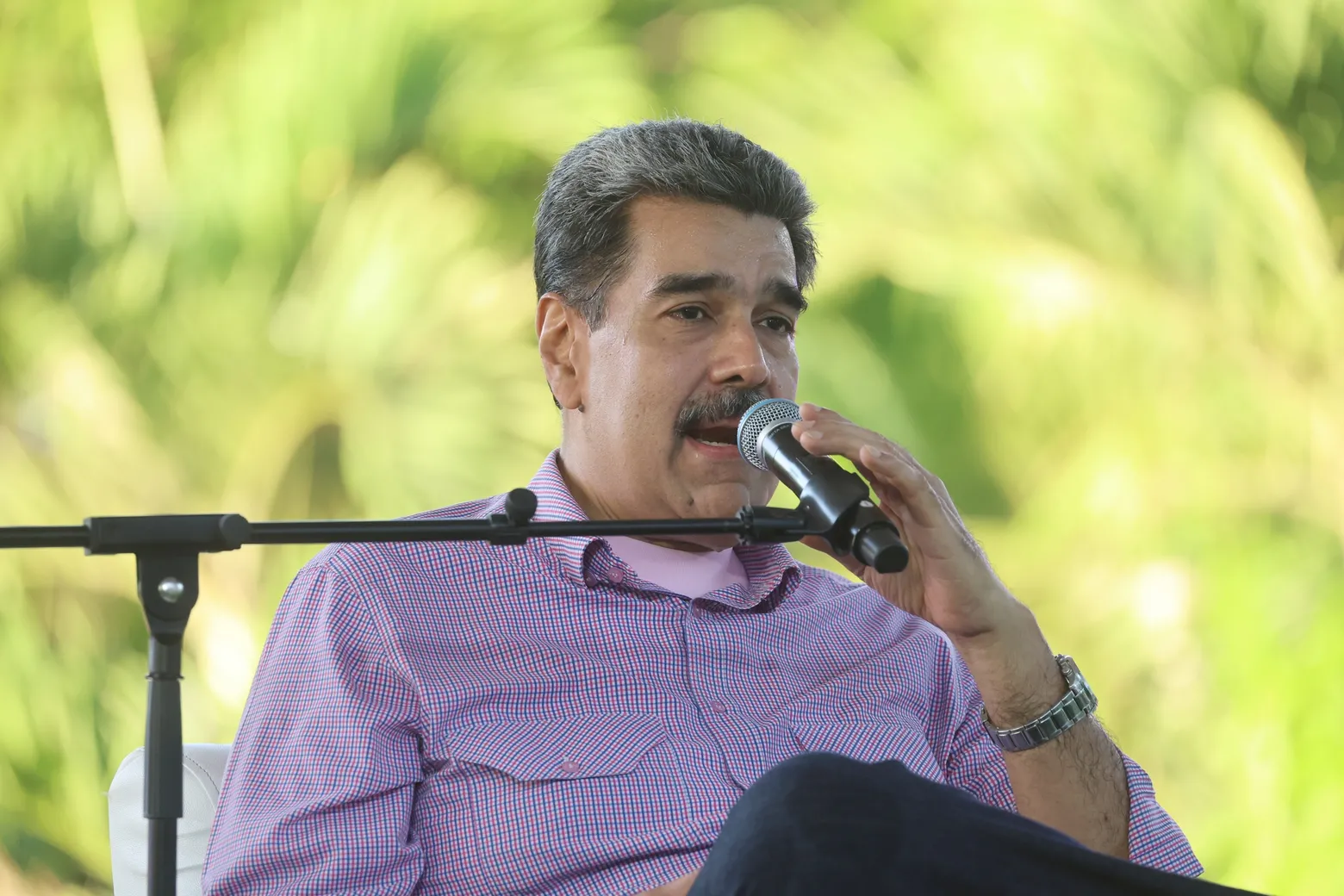
The administration of U.S. President Donald Trump has designated Venezuelan dictator Nicolás Maduro and his allies as members of a foreign terrorist organization. This expands Washington's authority to take measures against the regime, CNN reported.
Consequences of the decision
Designating Maduro a terrorist gives the U.S. the ability to impose additional sanctions on the assets and logistics of his political regime. Lawyers note that this does not directly authorize the use of military force.
At the same time, administration officials say that this decision – one of the State Department's most serious tools for combating terrorism – will provide expanded military options for strikes against Venezuela.
Accusations of drug trafficking
Maduro is linked to an extensive drug-trafficking network within the Venezuelan armed forces known as the "Cartel of the Suns." The dictator has always denied personal involvement in drug trafficking, and his government has repeatedly denied the existence of the cartel.
U.S. military presence
The United States has deployed around twenty ships and 15,000 troops to the region. Senior officials briefed Trump on options for action inside Venezuela, including strikes on military or government targets and special operations raids.
According to a U.S. official, Trump hopes that the pressure will be sufficient to bring about Maduro's resignation without direct military action. The U.S. president expressed openness to diplomacy, saying last week that Maduro "would like to talk."
Context
On October 24 the U.S. sent supersonic B-1 bombers to the coast of Venezuela. The next day the U.S. dispatched a strike group centered on a modern aircraft carrier to Latin America.
On October 31, against the backdrop of the U.S. military presence, Maduro appealed to Russia, China and Iran to strengthen the country's military capabilities. According to Reuters, on November 12 Venezuela planned to deploy weapons to organize guerrilla resistance in the event of a U.S. attack.