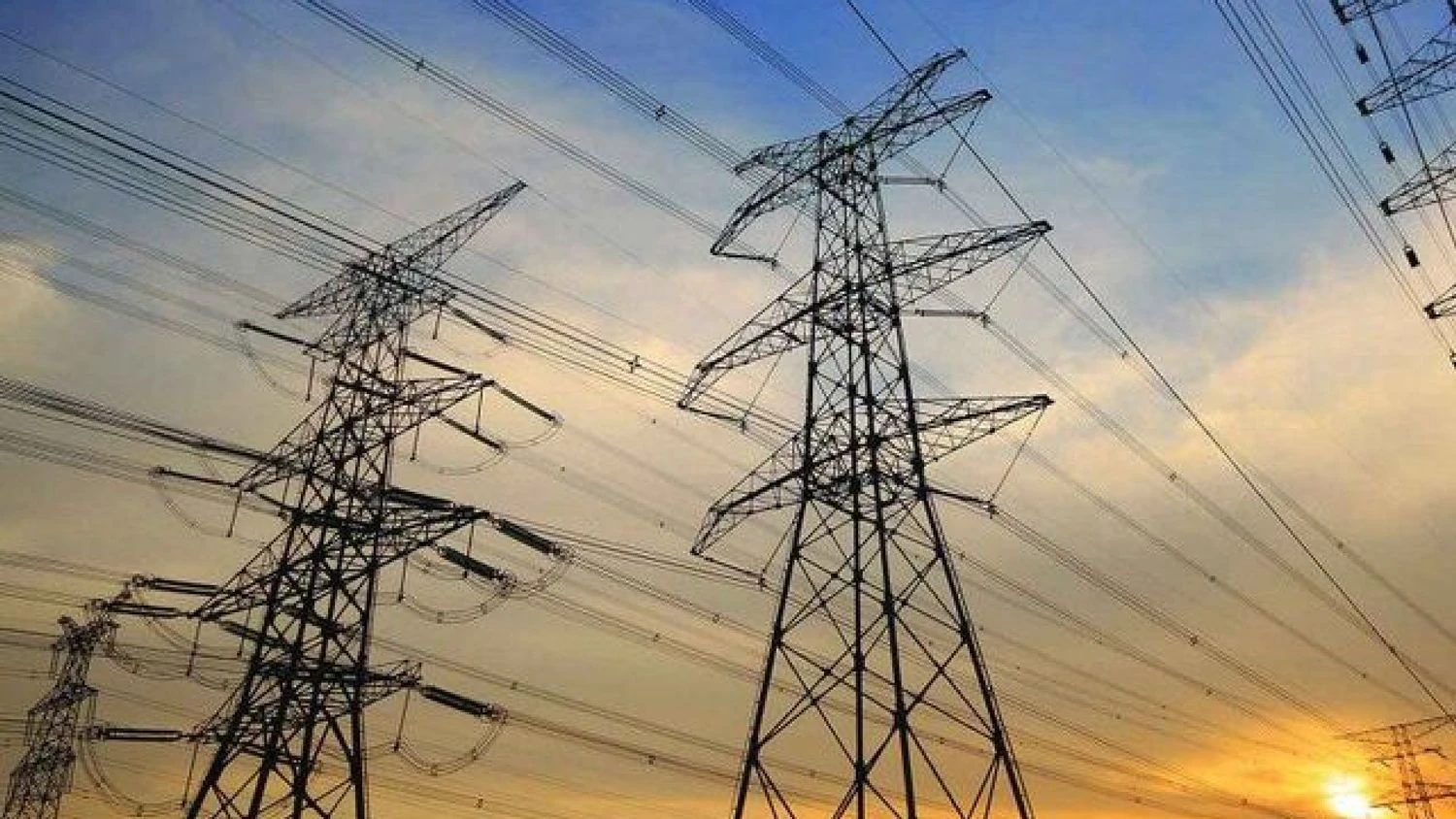
In high diplomacy, loud statements matter less than the quiet work of technicians and logisticians. Today Prime Minister Denys Shmyhal announced the launch in Kyiv of an additional 9 MW of backup capacity (source: UNN). This is an important technical step, but its scale is often misinterpreted — here’s an explanation of what it gives to real people and why the city needs much more.
What 9 MW provides — scale and practical examples
9 MW is a targeted reinforcement of infrastructure that can power individual neighborhoods or critical facilities. As Andriy Zakrevskyi, deputy director of the Association of Energy and Natural Resources of Ukraine, explains, it is equivalent to a large student campus or several schools or hospitals.
9 megawatts is a large student campus, or 2–3 hospitals, or 2–3 schools, or one very large school.
— Andriy Zakrevskyi, deputy director of the Association of Energy and Natural Resources of Ukraine
According to the expert's estimates, the added 9 MW covers about 1% of Kyiv’s needs. For the stable functioning of the city under ongoing attacks, depending on scenarios, roughly 200–400 MW of emergency and reserve capacity are needed, and for more reliable protection — at least a gigawatt.
Why this is important right now
The step has two practical values. First, it allows local support for vital facilities — hospitals, schools, heat supply systems, and wastewater removal. Second, it is part of a larger operation to build up reserves: weekly reports on the state of the power system improve transparency and allow more effective resource planning.
If such reports appear regularly, week in, week out, year‑round, this will be the kind of work we expect from the government regarding the large‑scale electrification of Ukraine.
— Andriy Zakrevskyi, deputy director of the Association of Energy and Natural Resources of Ukraine
Seasonal factors and energy security
Warmer weather reduces peak loads on the system, and the spring filling of upper reservoirs at hydroelectric plants provides a useful buffer for peak hours. At the same time, underground gas storage is being replenished, which reduces the need for fuel imports and increases the overall resilience of the system.
When temperatures rise, the load on the power system decreases. In spring we fill the upper reservoirs of hydroelectric plants, and this greatly helps during peak hours.
— Andriy Zakrevskyi, deputy director of the Association of Energy and Natural Resources of Ukraine
What’s next — scaling and risks
9 MW is a starting stage. To turn such isolated reinforcements into real energy resilience requires systematic scaling: regular commissioning of reserves, investments in the distribution network, and coordination with international partners. Otherwise the risk remains: reinforcing a few neighborhoods does not protect the city as a whole from massive attacks or prolonged outages.
For normal life in Kyiv you need approximately 200–400 MW of emergency and reserve capacity. To fully cover risks under constant attacks, at least a gigawatt is needed.
— Andriy Zakrevskyi, deputy director of the Association of Energy and Natural Resources of Ukraine
This means the capacity announced today should be seen as useful but insufficient. Political will and partner support must turn such technical steps into large investments and contracts — and then a few megawatts can become hundreds and thousands.
In short: 9 MW is real help for individual facilities and a signal that the system is working, but it is not enough for the city’s energy security. The next step is regular scaling of reserves and turning announcements into signed contracts and infrastructure projects.
Now the question for partners and the government: will this launch be a one‑off action or the first report in a series of systemic solutions that will truly increase Kyiv’s energy resilience?