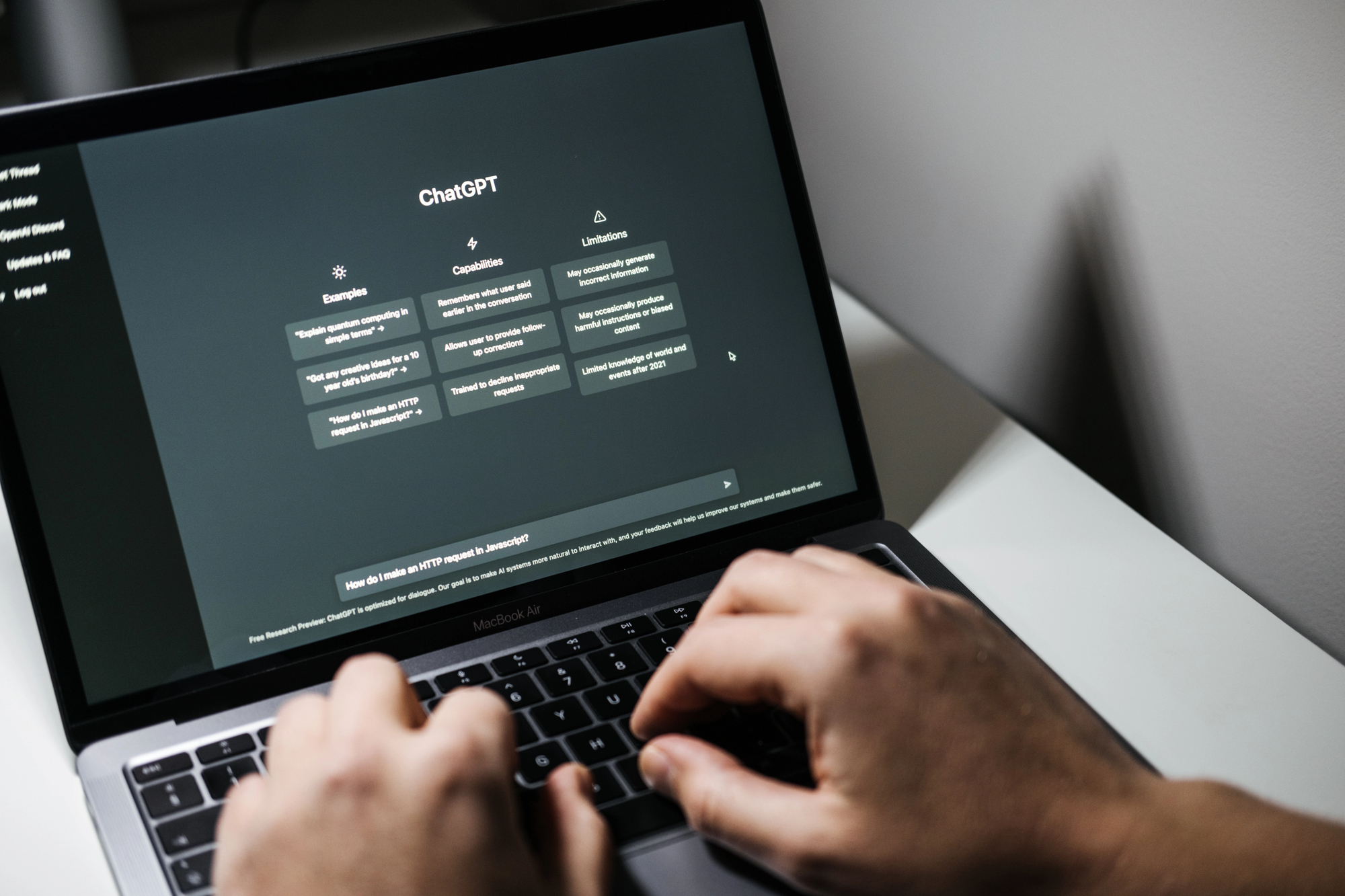
More than 200 million people ask ChatGPT every month how to manage their money. Until this week, the bot answered with general advice — "track subscriptions, automate savings." Now it can see your account itself.
What exactly was launched
OpenAI has opened a "Finances" section for ChatGPT Pro subscribers in the US — a new tab in the sidebar menu. After connecting through the Plaid platform, which is integrated with more than 12,000 financial institutions — Chase, Fidelity, Schwab, Capital One, Robinhood, Affirm — the chatbot gets read-only access to the user's balances, transactions, investments, and liabilities. There's no need to manually upload statements.
The system creates an automatic dashboard with expenses, active subscriptions, and upcoming payments. The feature operates on the basis of GPT-5.5 Thinking — a model focused on advanced logical reasoning with context, which is critical for financial analysis. OpenAI also announced plans to connect Intuit, which will allow, among other things, forecasting the tax impact of stock sales or the chances of credit card approval.
You can disconnect accounts or delete saved financial data at any time from the same "Finances" section.
Two years of preparation: acquisitions of Roi and Hiro
The feature launch is no improvisation. Over the past year, OpenAI has consistently acquired two fintech startups: first Roi, then Hiro Finance. Both companies specialized in personal financial planning and scenario modeling — exactly the skills language models lacked for working with real money. The Hiro team completely moved to OpenAI, and the application itself shut down.
"This deal is not about OpenAI entering the banking business, but about who — or which industry — will control financial advice and customer interaction."
Dylan Lerner, Senior Analyst at Javelin Research for digital banking
Risk that is not visible in the interface
Technically, Plaid is a verified intermediary with years of market presence. But the issue is not just about protecting the data transmission channel. Transaction history is not just a list of purchases: it contains signals about income levels, debt burden, lifestyle, health status, and financial vulnerabilities. OpenAI gains the potential to build a detailed financial profile of millions of users.
What the company does with this data outside of model training — is not clearly described in public terms. Some security researchers already recommend turning off chat history saving and disabling data transfer for model training in settings before connecting accounts.
Banks — new infrastructure, ChatGPT — new frontend?
PitchBook analyst Rudy Young called personal finance one of the most discussed scenarios for generative AI applications. But the real stakes, according to Lerner, are higher: OpenAI is not building a financial application, but a "conversational layer" — a dialogue layer through which consumers will interact with their money, gradually displacing banks and fintech companies from direct customer contact.
Currently, the feature is available only for Pro subscribers at $200 per month. OpenAI announced an expansion to the Plus tier after analyzing the results of initial use.
If OpenAI truly builds a layer between a person and their bank — will banks remain partners of the system, or will they become contractors who can be replaced at the first opportunity?