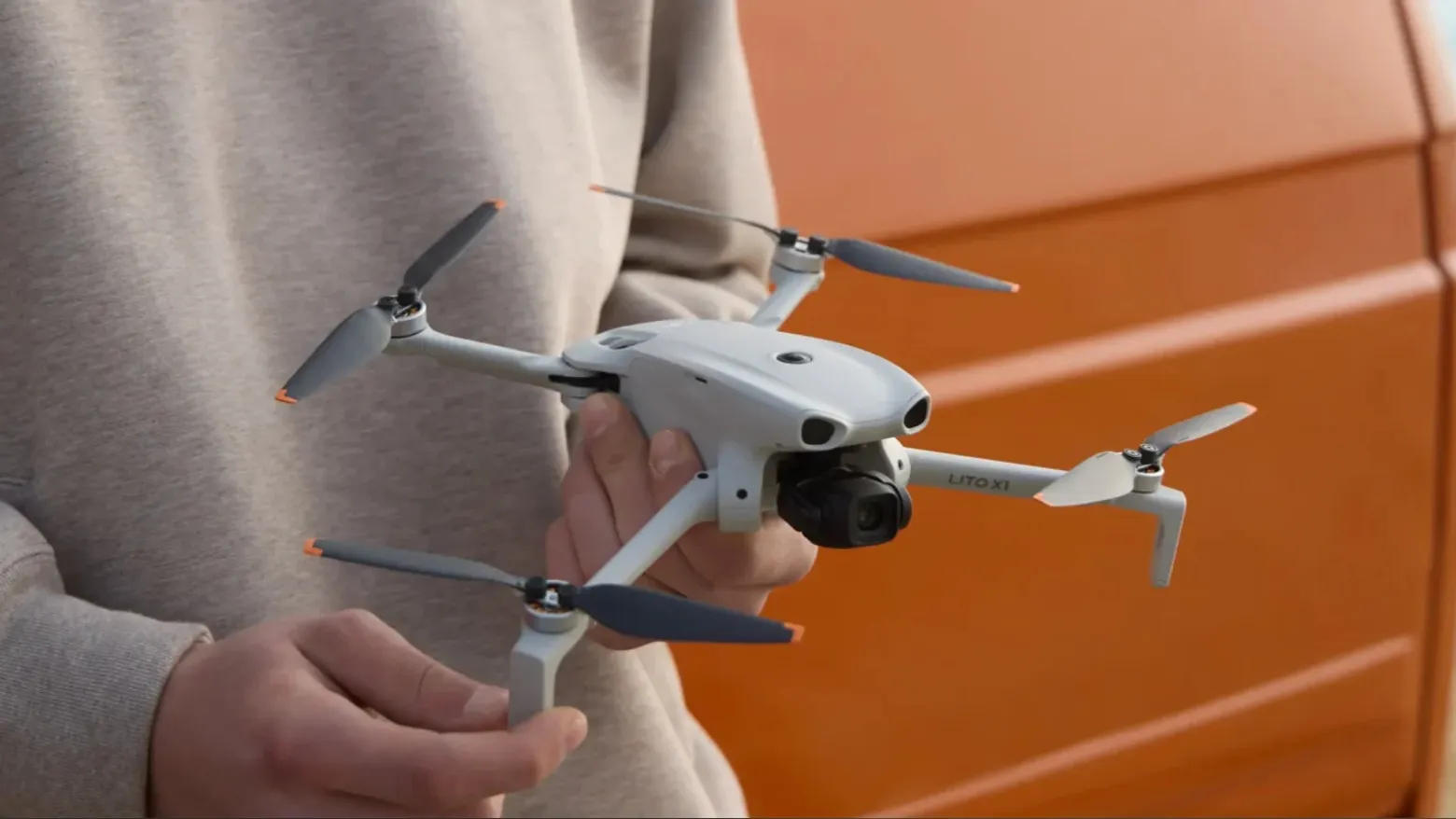
Imagine if a state allowed you to sell a car, and then a few years later decided: no, actually it's dangerous, so you can't sell it anymore — although those who already bought it can keep driving. That's roughly what the situation with DJI drones in the United States looks like: the Federal Communications Commission (FCC) is proposing to ban models from sale that it previously certified itself.
This isn't about some narrow military or industrial drones. The list includes the Air 3S, Avata 360, and Mini 5 Pro — devices that bloggers, amateur photographers, and regular enthusiasts buy. The formal reason is the presence of LiDAR, thermal cameras, aerosol spraying systems, dock stations for autonomous charging, and swarming capabilities. It's precisely this combination of features that raises concerns for the American authorities about potential use for surveillance or other risky scenarios.
An Unexpected Precedent
The real intrigue here isn't the drones themselves, but the legal logic. If a product passed certification and was legally sold for years, and then the regulator changes the rules retroactively — this creates a precedent that worries not just DJI, but any electronics manufacturer on the American market. Today it's drones with thermal cameras, tomorrow — theoretically any gadget with a camera or communications module that someone might deem potentially dangerous.
DJI directly called this a rule change for products that have already gone through all necessary procedures. The company's logic is straightforward: if safety standards have changed, change the rules for new models, not revoke the status of already-verified ones.
What This Means in Practice
- The ban won't affect those who already bought a drone — they can keep flying.
- New sales will suffer: manufacturers won't have the right to offer these models to American buyers.
- The market for used DJI drones in the US could unexpectedly become more expensive — demand for already "legal" units will rise.
Discussion of the proposal continues until September 2, and DJI is currently calling on users to speak out publicly. The question for the coming weeks: will this be a one-off decision regarding a specific brand, or a precedent that will change the FCC's approach to already-certified equipment in general?