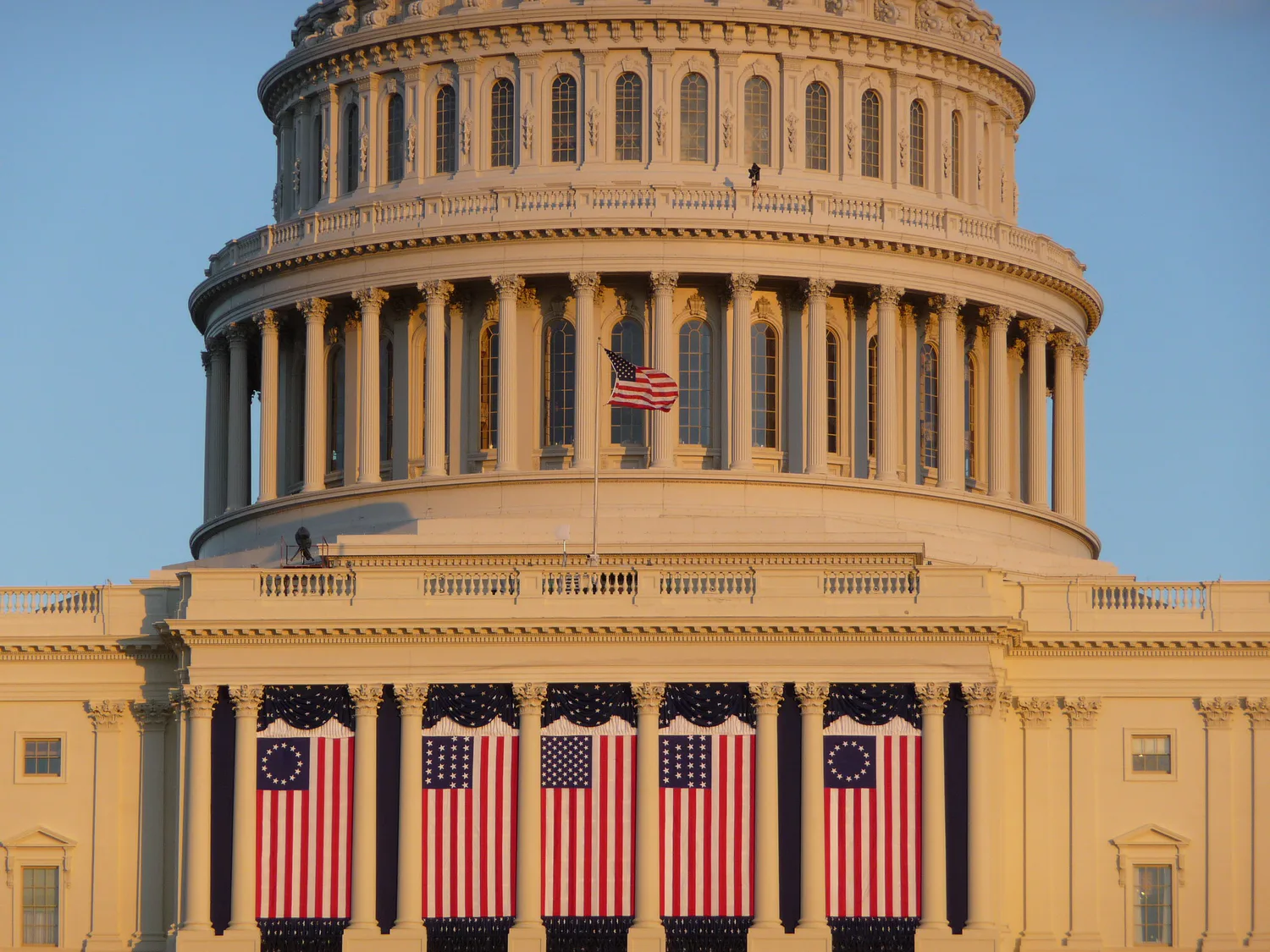
When a bill passes the Senate by a vote of 86 to 11, it seems like the further path is merely a formality. That's exactly how it appeared on August 10, when the House of Representatives, despite the August recess, undertook to advance a package of sanctions against Russia and Iran, named after the late Senator Lindsey Graham the "Hell Sanctions Bill." The speed of movement is impressive: deputies did not wait for their vacation to end to adopt text identical to the Senate's.
But behind this speed lies a practical question that will determine whether the law becomes a tool of pressure on Moscow or turns into yet another bargaining chip between Congress and the White House.
Who Really Holds the Key to Sanctions
The bill targets familiar goals: Russian banks, energy revenues, oligarchs, the "shadow fleet" of tankers circumventing the oil embargo, and sanctions evasion networks. The extension of restrictions against Iran until 2031 is more of a routine renewal of the existing regime than a new initiative.
The real debate, as RFE/RL suggests, revolves around two things: customs provisions and the scope of presidential authority over countries that continue to buy Russian energy. This is not a technical detail. The extent to which the president's right to make exceptions is written strictly or flexibly will determine whether Trump can use the law as a real lever for negotiations with Putin, or conversely, will tie his hands so much that any diplomatic play becomes impossible.
Bipartisan Unity as a Resource and as a Trap
An overwhelming Senate majority is a rare case of agreement between Democrats and Republicans in the current Congress. The authors of the amendment in the House of Representatives are trying to take advantage of this moment before the political situation changes. But the broad coalition itself means that the final text must balance between those who want maximum pressure on Russia without exceptions, and those who fear excessive limitation of the president's foreign policy freedom of action.
It is not about whether there will be sanctions—it is about who will control the "on" and "off" button.
For Ukraine, the practical effect of the law will appear not at the moment of signing, but at the moment of the first test: when Trump decides whether to exercise authority against a specific buyer of Russian oil or use the exception. If the bill gives the president broad discretion, pressure on Moscow will remain a negotiating tool, not an automatic mechanism. If, however, authority is limited by strict criteria, sanctions will work regardless of the White House's political will, but risk creating friction with allies who continue to buy Russian energy through third countries.
The question for the coming weeks is simple: will the House of Representatives agree to wording that actually forces the executive branch to act, or will it accept a version that leaves Trump room to maneuver for the sake of a future agreement with the Kremlin.