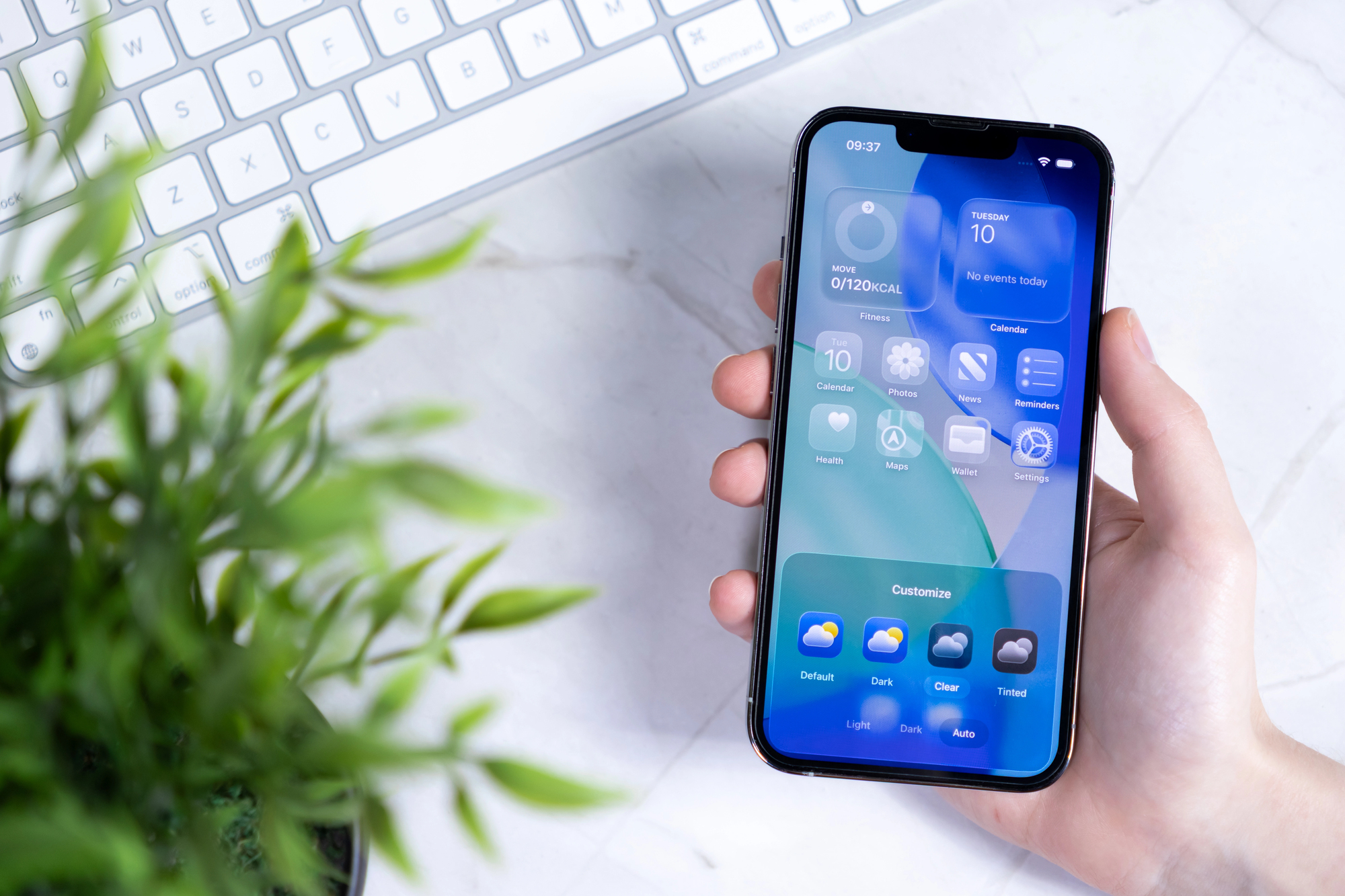
The Essence of the Update
According to Mark Gurman of Bloomberg, iOS 27 will be focused primarily on fixing bugs, improving performance, and stability. This approach is reminiscent of Apple's 2009 strategy with Mac OS X Snow Leopard — at that time the priority was optimization rather than large new features.
"iOS 27 will focus on fixing bugs, improving performance, and stability"
— Mark Gurman, journalist and insider, Bloomberg
Why Apple Is Choosing This Course
In recent years mobile operating systems have accumulated complexity: new features, support for a large number of models, and increasing security requirements. The company now appears to be returning to "pure engineering": paying down technical debt, reducing power consumption, and improving perceived speed on older devices. This is a rational decision — longer-lasting and more predictable devices increase user confidence and reduce the need for frequent upgrades.
What Specifically May Change
From public sources and previous releases one can expect a focus on reducing bugs, optimizing system resources, work on power consumption, and improving the stability of background services. Among the announced possibilities is a more personalized version of the voice assistant Siri. Apple will likely present details at the WWDC in June, with a public release closer to September.
Context for the User
A recent emergency update for older iPhones and iPads and the slow uptake of iOS 26 among some users in the U.S. show that compatibility and security remain relevant issues. iOS 27 could be a step toward addressing these problems, especially for owners of older models who are not willing or able to upgrade devices frequently.
What This Means for Ukrainian Users
Stable and secure devices are not just a convenience: in our context they are also a matter of reliable communication, access to critical services, and data protection. Fewer "bugs" and a longer device lifecycle mean that a smartphone will remain a working tool longer without the need for an urgent upgrade.
Conclusion
Apple is betting on engineering discipline instead of a chase for headline-making features. For the user this means practical benefits: a faster, more stable system and fewer technical surprises. It is now important to track two things: which technical changes will be included in the final version and whether the statements at WWDC will translate into real release dates and updates.