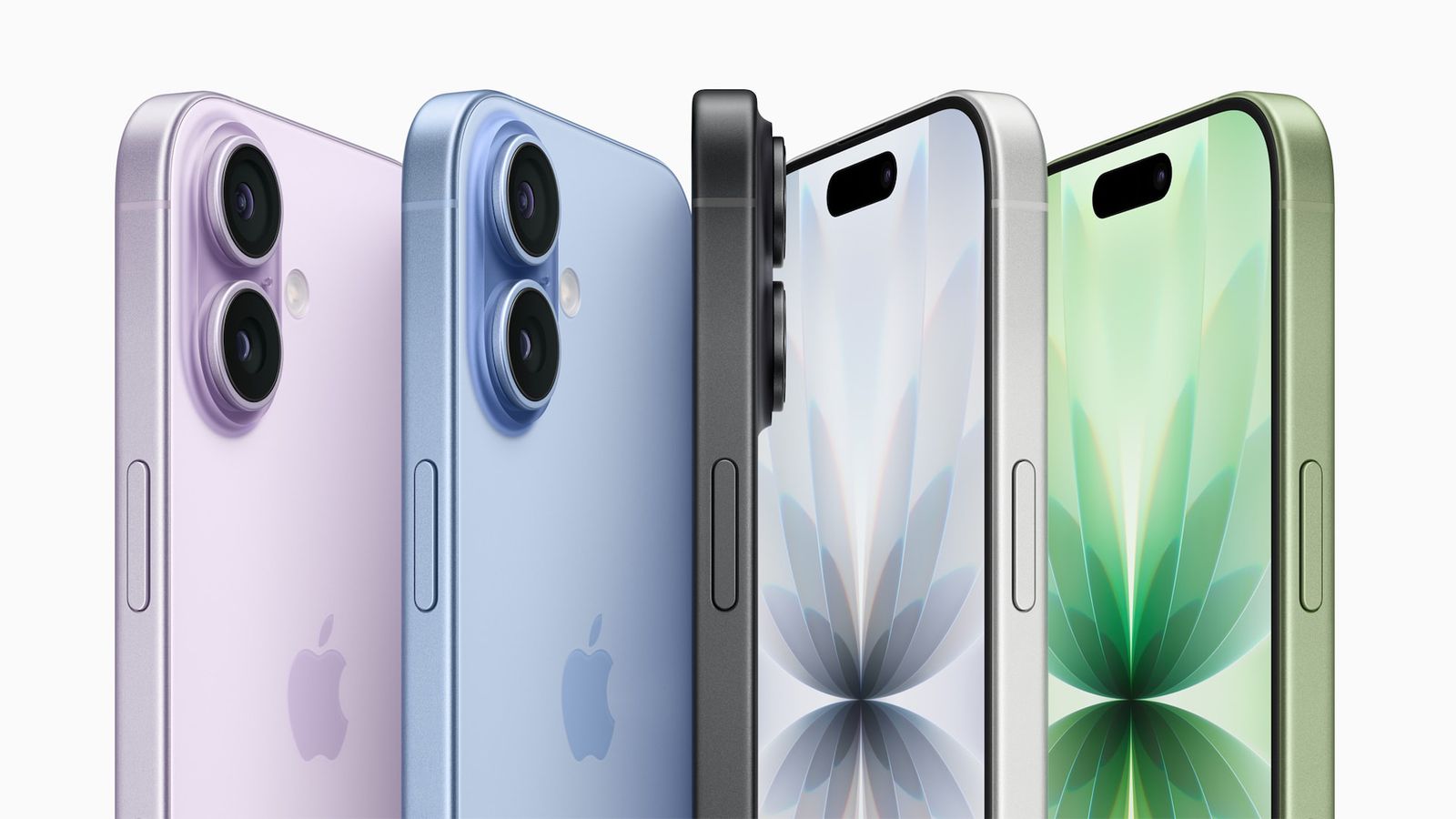
In the first quarter of 2026, iPhone 17 captured 6% of global smartphone sales — the largest share of any individual model, according to Counterpoint Research data. The iPhone 17 Pro Max and iPhone 17 Pro took second and third positions respectively. Last year's iPhone 16 held onto sixth place — a rare case where the predecessor doesn't disappear from the charts after its successor's launch.
Units vs. Revenue: Where Apple Truly Dominates
The unit-based ranking tells one story. Revenue tells another, and a more telling one. Nearly half of all money spent on smartphones worldwide in Q1 2026 went to Apple — a 22% year-over-year increase, according to PhoneArena citing market analysts. Samsung also grew by 4%, but the gap between the companies in average selling price remains a chasm.
This explains the paradox: Samsung is present in five of the top ten models by volume — primarily thanks to the Galaxy A series, that is, budget devices. Apple occupies three positions with the premium segment. In units, the count looks almost even. In dollars — it doesn't.
Why the Base Model Outpaced Pro
Counterpoint analysts attribute the basic iPhone 17's leadership to two factors: price accessibility relative to the Pro lineup and expanded access to Apple Intelligence — a set of AI features that are either absent or limited on older models. In other words, the buyer got "enough AI" without paying extra for Pro.
"iPhone 17 in first place is no surprise. Apple always wins the first quarter after its fall launch. The real story is that Samsung is holding on thanks to cheap phones, not flagships."
— analyst, quoted via Explosion.com
Outside Pressure Invisible in the Chart
Behind the ranking — an unequal market. Due to memory shortages and trade tariffs, budget Android smartphone manufacturers faced a choice: absorb rising cost increases or pass them on to consumers, who are already price-sensitive. IDC Vice President Francisco Jeronimo noted that lower-segment manufacturers "will have no choice but to pass costs on to end consumers." Apple and Samsung are better protected from this pressure — and can grow their market share not through their own growth, but by squeezing out competitors.
- Q1 2026: iPhone 17 — 6% of global sales, top-3 entirely held by Apple
- Revenue: ~50% of the global smartphone market went to Apple
- Samsung: 5 models in top-10, but all in the budget Galaxy A segment
- iPhone 16: sixth place — the predecessor still in the chart
At WWDC 2026 in June, Apple is expected to reveal the next phase of Apple Intelligence development — including Siri features that haven't yet appeared. If the updates prove substantial, they could strengthen the case for upgrading for iPhone 15 and older users. If not — the question is whether brand momentum will be enough to maintain top positions in Q2, when Samsung launches an updated mid-range lineup in markets where Apple Intelligence is completely unavailable due to language restrictions.