What happened
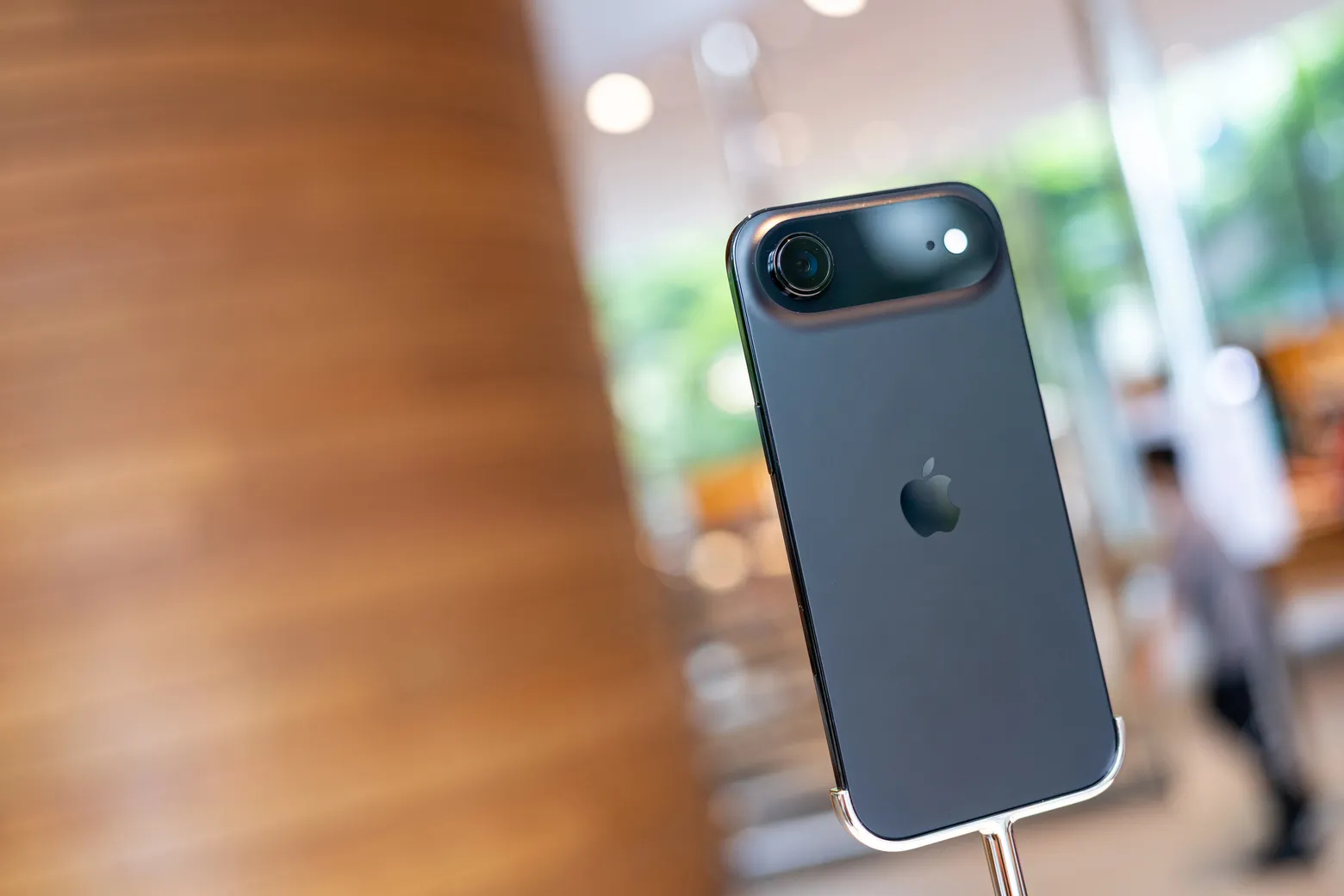
According to insider Ice Universe on the social network X, engineers at one of the shops in the Huaqiangbei market in Shenzhen modified the iPhone Air — the version officially sold as eSIM-only — and added a physical SIM card slot. In the published photos the device with a China Telecom SIM card inserted is visible during a call.
How they did it
According to the authors of the modification, the engineers replaced the stock Taptic Engine vibrator with a more compact equivalent, which freed enough space for a mechanical tray and SIM reader. It is also reported that the altered model allegedly supports mobile 5G connectivity and retained water and dust protection to the IP68 standard — but these claims have not yet been confirmed by independent laboratory testing.
"The iPhone Air now has a SIM card slot. This is a modified iPhone Air created by tech enthusiasts. They installed a physical SIM card tray, allowing the phone to use a physical SIM, make calls, and access mobile data normally."
— Ice Universe, insider on X
Why this is happening
There are two reasons: first, in many markets eSIM has not yet become a mass standard, and users want the ability to quickly insert a local SIM card when traveling or switching carriers. Second, Shenzhen has a strong culture of technical “maker” work and repair — technicians rapidly respond to demand and test technical solutions that the manufacturer did not foresee.
What this means for users and the market
Advantages: a physical slot gives flexibility for travelers and users with local plans who still rely on SIM cards.
Risks: any third-party modification typically voids the official warranty and can alter certification for dust/water protection or radio-frequency compatibility. Repair experts note that visually retained IP68 does not guarantee long-term case integrity after interference.
Context and possible consequences
This case is not just a technical trick: it highlights the tension between accelerated globalization of eSIM and the real needs of users in countries with uneven support for the standard. If demand for physical slots grows, it could push either local workarounds or changes in manufacturing and distribution approaches.
The question remains open: will Apple respond officially — or will the modifications remain a niche for local technicians and the gray market. For Ukrainian users the key points are carrier compatibility, warranty risks, and communication security while traveling.
It is worth following independent teardowns and official comments from the manufacturer: they will answer questions about the durability of the modification and its impact on quality standards.