In brief
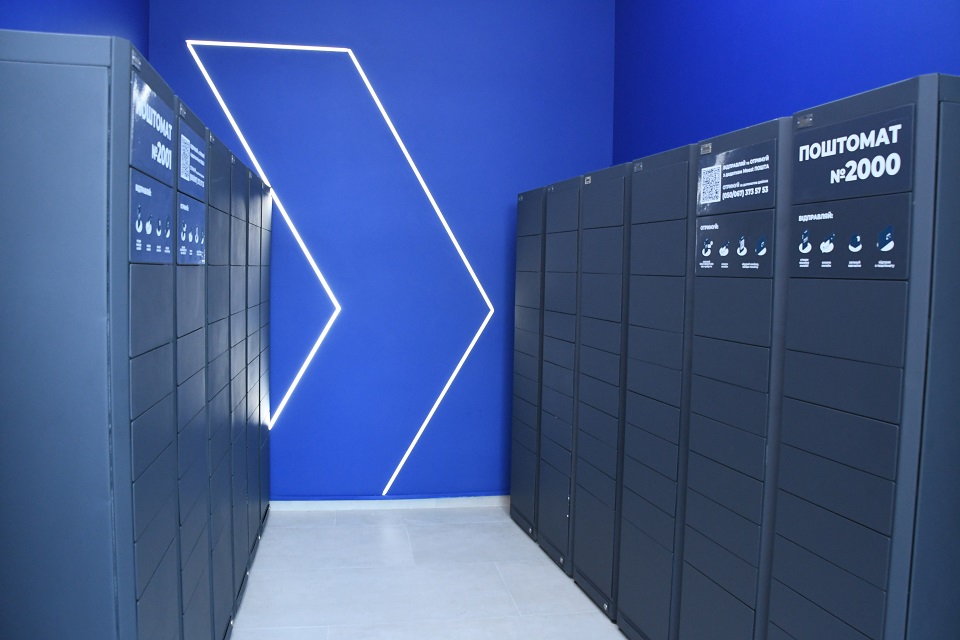
Meest Post has expanded its international shipping service: you can now send a parcel abroad not only at branches but also via parcel lockers. The company's press service told LIGA.net. To send, simply pack the item, create the shipment in the Meest Post app and place the parcel in a locker — company specialists will then check everything.
How it works
The procedure has three steps: preparation (pack the parcel), submitting the shipment in the app, and dropping it off in a parcel locker. After that Meest takes on checking compliance with international shipping rules and subsequent logistics. Current rates and a map of locations are available on the website and in the app.
"After that, the company's specialists will independently check the shipment for compliance with international shipping rules"
— Meest Post press service
Market position and scale
Meest Post already operates in more than 5,500 branded and partner locations, and recently the company concluded a strategic partnership with Romania's postal service — as part of the first phase, 1,000 Meest Point locations will appear there. This is not only a marketing move: expanding coverage and automating parcel intake increase the network's throughput and reduce last-mile costs.
Why this matters for Ukraine
First, it makes international shipments more accessible for ordinary citizens and small businesses: fewer queues at branches, more options for self-service. Second, for the diaspora and the parcel-forwarding market it means faster collection and dispatch of cargo from Ukraine and in the reverse direction. Third, flexibility is important for logistics during wartime — automated drop-off points reduce the risks of concentrated accumulation of cargo in parcel lockers and branches.
Context and risks
Logistics experts note that introducing parcel lockers into international routes works if the company strictly controls customs and insurance parameters of shipments and provides transparent information about rates and restrictions. Meest currently reminds customers to check international shipping rules before sending.
Conclusion
This is a practical step toward the digitization of postal services that can speed up dispatches, reduce the load on branches and strengthen Meest's network presence abroad. For users, it's important to check rates and rules on the website now — and for the market it's a signal: logistics during wartime is adapting and seeking more autonomous, scalable solutions.







