Briefly: what happened and why it matters
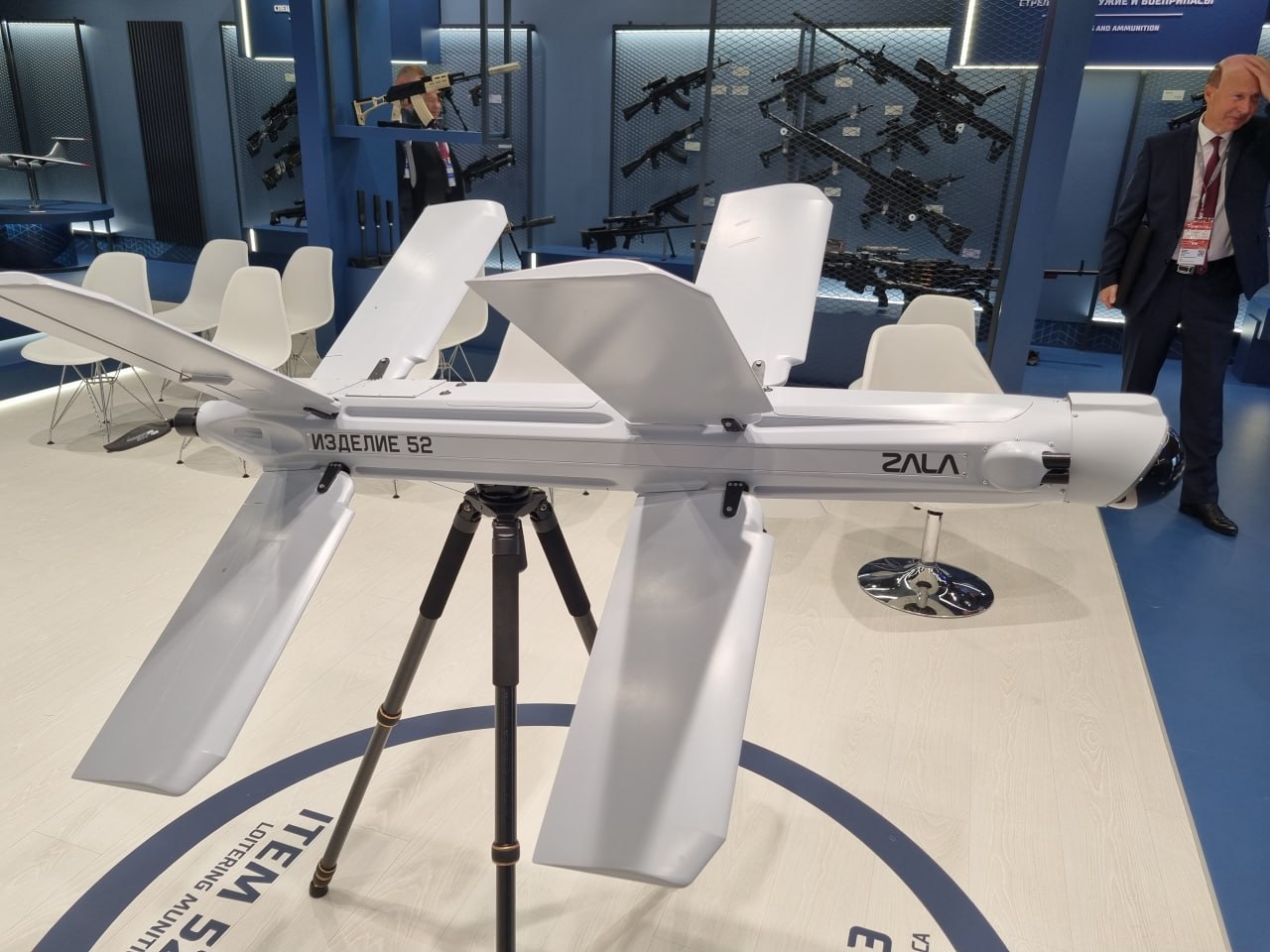
On March 16 the Russians launched about 40 Lancet loitering munitions toward Kyiv. According to advisor to the defense minister Serhii (Flesh) Beskrestnov, only a few reached the capital — and they caused no significant damage. Instead, fragments appeared on the Maidan that the Kremlin could present as “evidence” of success.
Experts' stance: propaganda over tactics
According to Serhii Beskrestnov, this was primarily a demonstrative operation. To increase the chances of delivering fragments to the city, the Russians removed the warhead from the Lancet and fitted an additional battery — effectively turning the drone into a demonstration target rather than an attack weapon.
“The chance of a base 'Lancet' flying 200 km to Kyiv is zero. Therefore on 'Lancets' they remove the warhead, put in an additional battery... The batteries are replaced with expensive non-standard cells of new technology”
— Serhii (Flesh) Beskrestnov, advisor to the minister of defense, specialist in military radio technologies
Technical context: why they didn't make it
The Lancet is a Russian loitering munition (ZALA / Kalashnikov Concern) designed to strike vehicles and positions. There are variants with different ranges, but they are not intended to be launched beyond their operational zone without refueling or intermediate launch points. As specialists explain, for long runs toward Kyiv the Russians look for favorable winds and launch positions closer to the capital; otherwise they remove the warhead and install batteries so the drone can travel farther as a “prop.”
Role of Ukrainian air defense
According to Beskrestnov, Ukraine's air defense system has been working effectively recently: from the swarm, “somehow” only a few reached Kyiv. This is not only the fragility of individual launches in Russia, but also confirmation that combined dosimetric, radar and barrier measures are producing results.
What other sources report
Defense Express reported the alleged fall of a Lancet in the city center near the Independence Monument. Beskrestnov rejects the possibility of a classic “flight” of this type of UAV from distant launch positions, suggesting scenarios of fragments being dropped or footage being artificially created for a domestic Russian audience.
Consequences and assessment
First, the incident underscores two interconnected realities: Russian tactics increasingly combine military action with informational objectives; Ukrainian air defense is critically important for the safety of civilian centers. Second, even if the Kremlin’s goal is to create the impression of success, the fact of a demonstrative failure reinforces partners' and the public's trust in defensive systems.
“Those 40 'Lancets' could have done much more harm at the front, where they are actually effective. Here we see rather an attempt to divert attention and create a picture for internal consumption in Russia”
— Serhii (Flesh) Beskrestnov, advisor to the minister of defense
Conclusion
This operation is an example of how the practice of Russian strikes on civilian centers is sometimes subordinated not to military logic but to informational aims. For Ukrainians, the key takeaway from this incident is confirmation that defense systems are working and another argument for international partners: investments in air defense save lives and reduce the impact of propaganda actions. The question going forward is how to maintain and scale these systemic advantages during a protracted war?





