Description and purpose
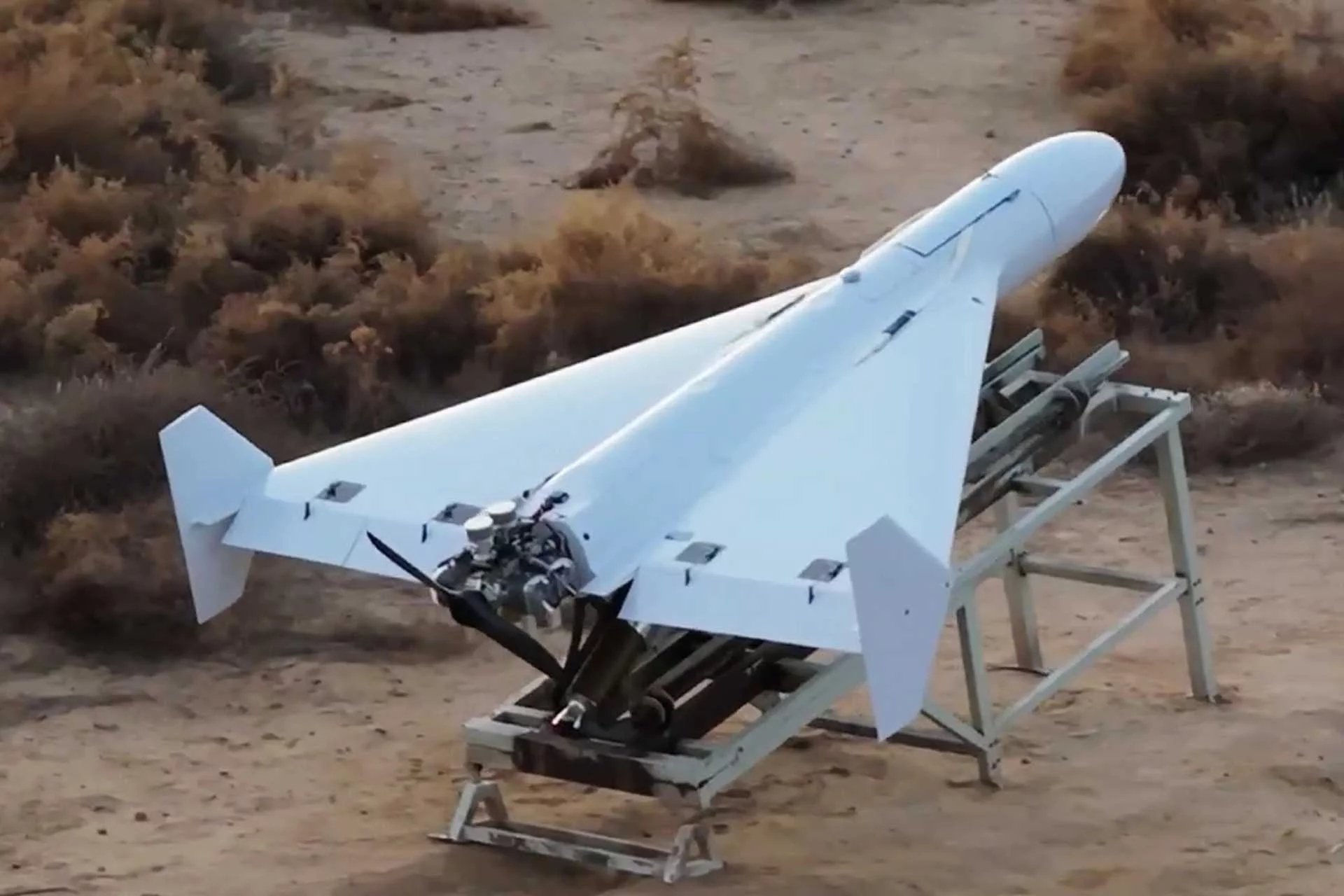
Loong UAV is testing the M9 loitering munition, which in shape and characteristics is similar to the Iranian Shahed-136. The device is positioned as a means to strike distant targets, carry out tactical strikes, and perform long-duration reconnaissance.
The M9 complements a line of Chinese UAVs built on a similar design, among which the DFX-50, PD2900 and ASN-301 models are named.
Technical specifications
The drone has a wingspan of about 2.5 m and a length of approximately 3.5 m; takeoff weight up to 200 kg. The fuel tank holds 108 liters, which, combined with an economical engine, allows it to remain airborne for up to 9 hours and cover distances of up to 1,620 km.
The payload is located in an internal bay and amounts to up to 50 kg. The M9 is constructed from carbon-based composites, is equipped with moisture protection, and is launched from a catapult.
Control systems and sensors
The platform has a protected communications channel resistant to jamming and can operate without relying on GPS. For observation it uses infrared optics with a night mode, supplemented by artificial intelligence algorithms.
Strike capabilities
In its combat version, the M9 can be guided both by coordinates and to visually detected targets, with the ability to attack from different approach angles. The manufacturer claims the system is capable of operating amid electronic countermeasures.
Other developments and tests
Alongside the M9 in China, other projects were demonstrated: the unmanned GJ-11 was shown alongside the J-20 fighter, the military conducted exercises with weaponized robot dogs and FPV drones, and integrated the DeepSeek artificial intelligence system into equipment.