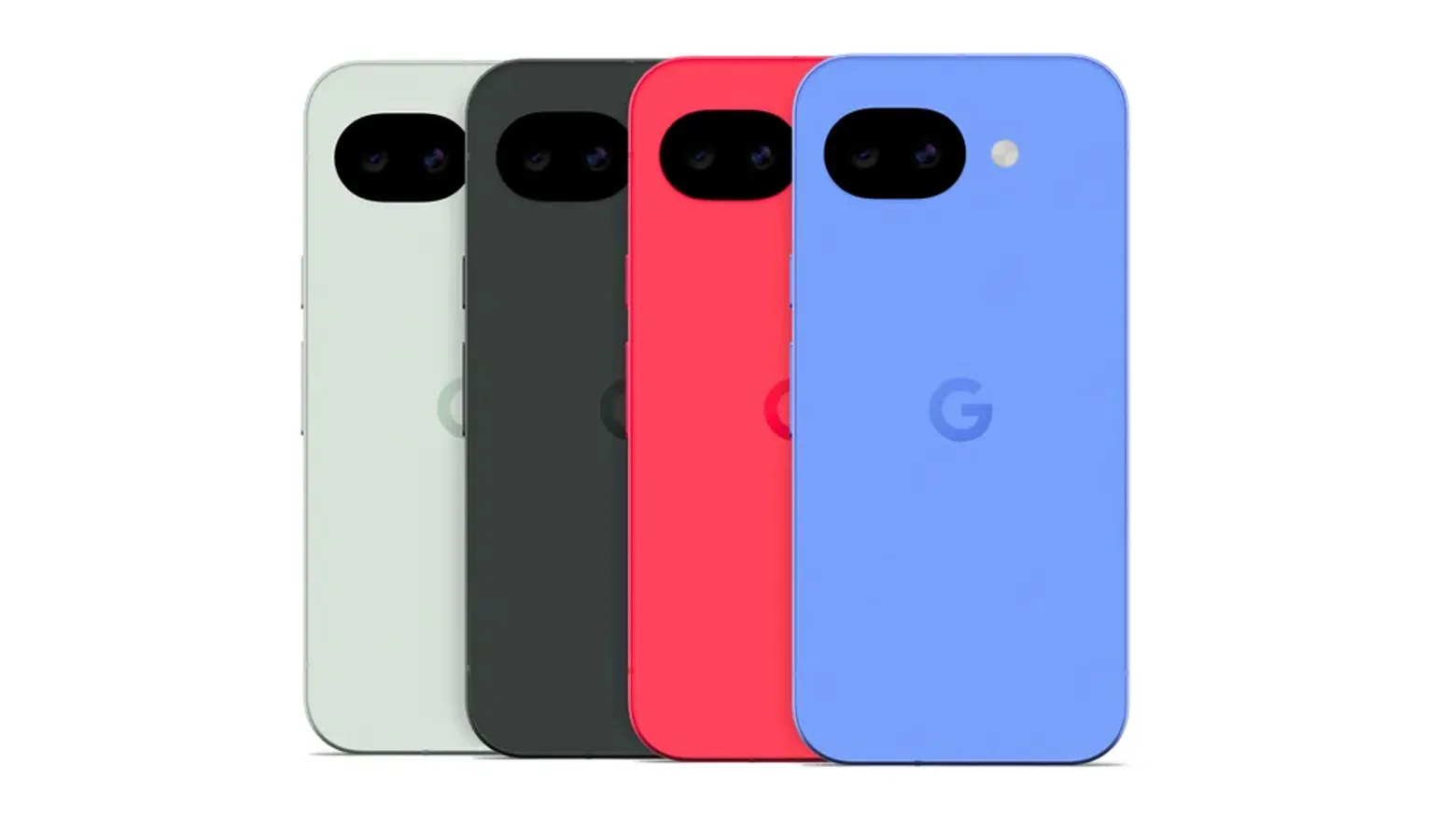
Google Pixel 10a is positioned as an affordable smartphone with flagship aspirations — $499, seven years of updates, a 48 MP camera. But how easily it can be repaired reveals another side of this compromise.
What was discovered inside
To access the internals, the body needs to be heated — the back panel is held on with adhesive. The construction then turns out to be quite clean: no exotic fasteners or non-standard solutions. According to PBKreviews' assessment, the internal layout received maximum scores in three of five categories — parts availability, screen replacement, and battery replacement.
The battery can be removed without disassembling the front panel — this is a fundamental difference from most competitors in this price range. The EU Energy Label confirmed the repairability rating of "B" — the same level as the Pixel 9a.
One problem, but a significant one
The lowest score in the teardown went to the "replacement of other components" category. The specific reason — the USB-C port is soldered directly to the motherboard. This means: if the port becomes loose or stops charging — simple module replacement is not possible. Either soldering or replacement of the entire board is required.
The port is the most vulnerable point of any smartphone after the screen. A soldered connector turns a $20 repair into $150+.
iFixit, general repairability assessment methodology
For comparison: in the Pixel 10 (the older sibling), iFixit identified a modular USB port as a separate plus and gave an overall rating of 6/10. The Pixel 10a took a step back in this component — despite better battery accessibility.
Context: budget phone and the right to repair
The Pixel 10a paradox is that the cheaper device — the one people buy specifically to save money — carries the potential for a more expensive repair in case of one specific failure. The battery is easier to replace than in a flagship. But if the port breaks — the repair could cost a third of the phone's price.
- Screen replacement: maximum score — modular design
- Battery replacement: maximum score — no front panel disassembly
- Parts availability: maximum score
- Organization and repair time: good, but not ideal
- Replacement of other components (USB-C): lowest score
An aluminum body with a plastic back cover, IP68, 5,100 mAh — technically the phone is designed for long-term use. But hardware durability and the ability to restore it are different things.
If Google is truly targeting an audience that cares about the cost of ownership, not just the purchase price, — the next generation of Pixel "a" series will show whether modular USB-C becomes standard even in the budget segment, or remains a privilege of flagships.