Why this matters
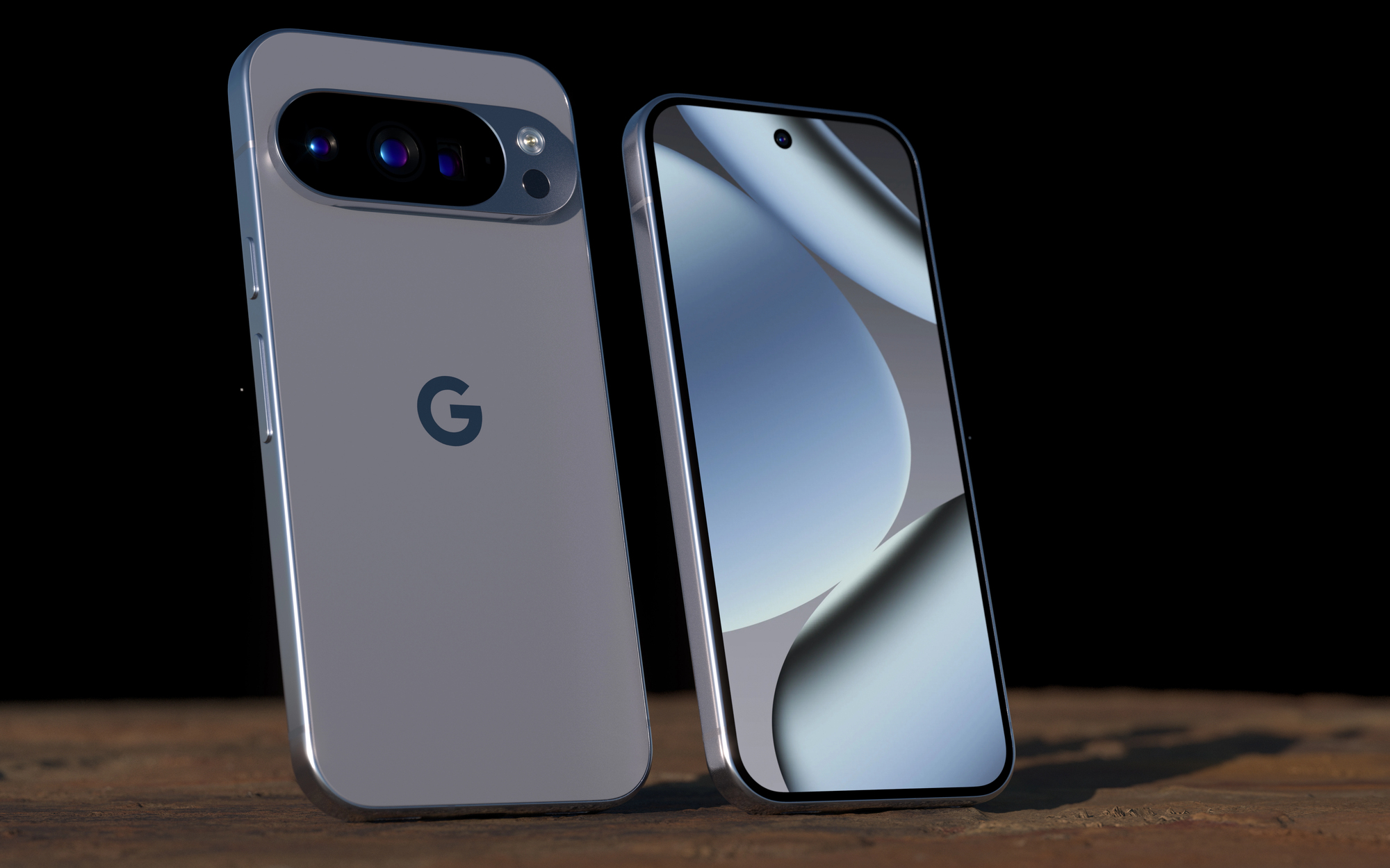
Google is preparing a new facial-recognition system for the Pixel 11 series which, according to Android Authority, could approach Apple’s Face ID in speed and level of security. For the user, this means faster and more reliable unlocking without the need for additional visible sensors — but more importantly: increased trust in the smartphone as a tool for protecting data.
What is known about Project Toscana
According to sources, the project has the internal code name Project Toscana. The new system reportedly will not require separate visible elements on the front panel: the device design should remain similar to the Pixel 10.
"The project has the internal code name Project Toscana."
— Android Authority
It is currently unknown whether infrared sensors will be used; if so, they could be integrated under the display. Sources also say the system should work reliably both in daylight and in darkness — meaning Google is betting on recognition that does not depend on ambient lighting.
Why this matters to Google and what it gives users
The reasons are clear from a rational standpoint: competition with Apple, strengthening platform security, and the desire to simplify the user experience. For Ukrainian users this is not only a convenience. At a time when protecting communications and data has strategic importance, reliable biometric mechanisms raise the overall level of digital security.
Briefly on uncertainties and next steps
Key questions remain open: whether infrared sensors will be used, how deeply they will be integrated under the display, and how Google will implement protections against spoofing attempts. Some answers may appear at the annual Google I/O conference, which, according to official announcements, will take place May 19–20.
Also in the platform context: Chrome has received an image generator called Nano Banana based on Gemini, indicating broad investment by Google in working with visual data — and this logically ties in with the development of facial-recognition systems.
Conclusion
If Project Toscana is confirmed and under-display infrared technology is implemented, the Pixel 11 could catch up to Face ID in quality. For users this means a higher level of convenience and data protection — an important factor for both individuals and organizations. The next logical step is to watch Google’s I/O announcements closely: declarations must turn into technical solutions and transparent privacy policies.